The Best FPV Drones for Racing and Cinematic Flying
Explore the best FPV drones for racing and cinematic flying. Compare features, camera quality, speed, and price to choose the perfect FPV drone in 2026.
7/16/20268 min read
Introduction to FPV Drones
FPV, or First-Person View drones, are a unique type of unmanned aerial vehicle that allows operators to experience flight through a pilot's perspective, significantly enhancing the flying experience. This immersive aspect is primarily achieved through the use of FPV goggles that stream real-time footage from the drone’s camera directly to the user's eyes. The result is a thrilling, virtually hands-on experience that simulates the sensation of being airborne.
Over the past few years, the popularity of FPV drones has surged among both racing enthusiasts and filmmakers. Racing FPV drones are designed for speed and agility, equipped with advanced technology that maximizes performance and responsiveness, enabling pilots to navigate tight courses with precision. On the other hand, cinematic FPV drones prioritize stability and visual quality, focusing on capturing stunning aerial footage with minimal shake and clear imagery.
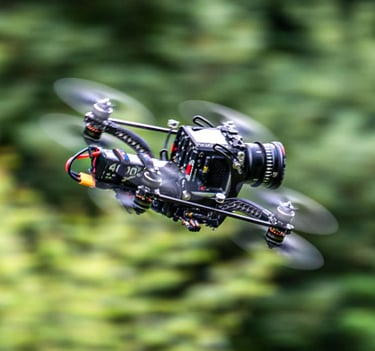
One notable distinction between racing and cinematic FPV drones lies in their construction and intended use. Racing drones are typically lighter and more agile, aimed at achieving high speeds and sharp maneuvers. In contrast, cinematic drones feature higher-quality cameras capable of filming in 4K resolution and are often equipped with stabilization systems like gimbals, ensuring professional-grade video output. Understanding these differences is crucial for enthusiasts seeking to choose the right type of drone for their needs, whether that be the thrill of competitive racing or the art of cinematic flying.
Choosing the Right FPV Drone for Racing
The selection of an appropriate FPV (First Person View) drone for racing is pivotal in ensuring a successful and exhilarating flying experience. Key factors influencing the performance and effectiveness of racing drones include the weight of the frame, motor power, video transmission technology, responsiveness, and the durability of propellers.
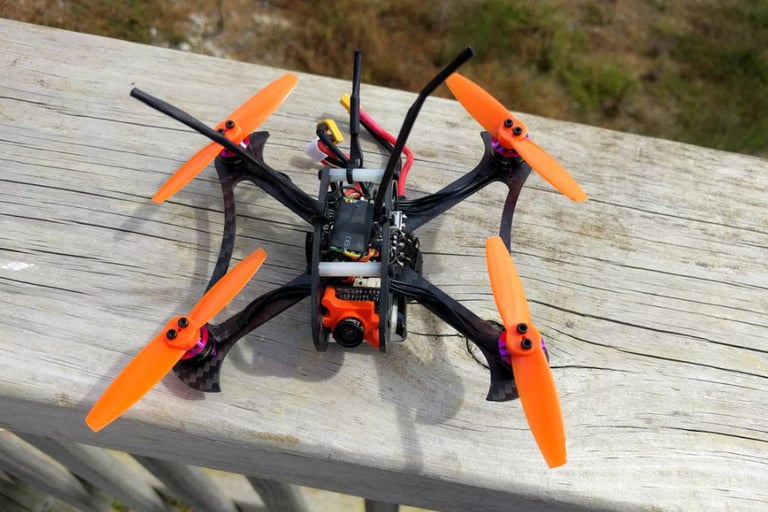
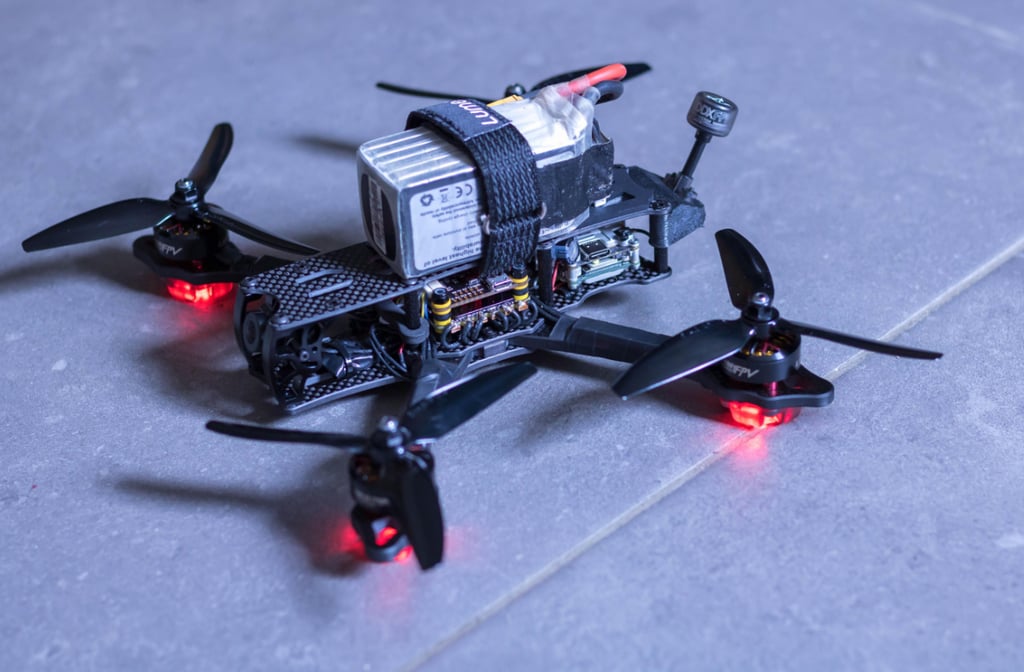
First and foremost, a lightweight frame is essential for high-speed racing. Drones designed optimally for this purpose typically incorporate materials such as carbon fiber, which not only reduces weight but also enhances structural integrity. A lighter frame permits quicker acceleration and agile maneuvers, both crucial for navigating complex racing courses.
Powerful motors represent another critical component in the realm of FPV racing drones. The performance of the motors directly affects the thrust-to-weight ratio, enabling faster speeds and responsive handling. When selecting motors, enthusiasts should consider specifications such as KV rating, which indicates RPM per volt, and choose those that align with their racing objectives.
Low-latency video transmission technology also plays a significant role in the racing experience. Real-time feedback is essential for pilots who rely on visual cues to navigate swiftly. Drones equipped with advanced video transmission systems minimize latency, offering a seamless viewing experience. The integration of technologies such as 5.8 GHz transmission further enhances this capability.
Another consideration is the drone's response rate. A racetrack can present numerous obstacles, making a responsive drone invaluable. Features such as precise flight controllers and rapid throttle response facilitate quick adjustments, particularly during sharp turns or sudden accelerations.
Lastly, durable propellers are integral to sustaining performance. They should withstand the rigors of racing, minimizing the need for frequent repairs and ensuring that pilots can maintain their competitive edge. Selecting high-quality, robust propellers can significantly improve a drone's resilience and overall racing viability.
Key Features of Racing FPV Drones
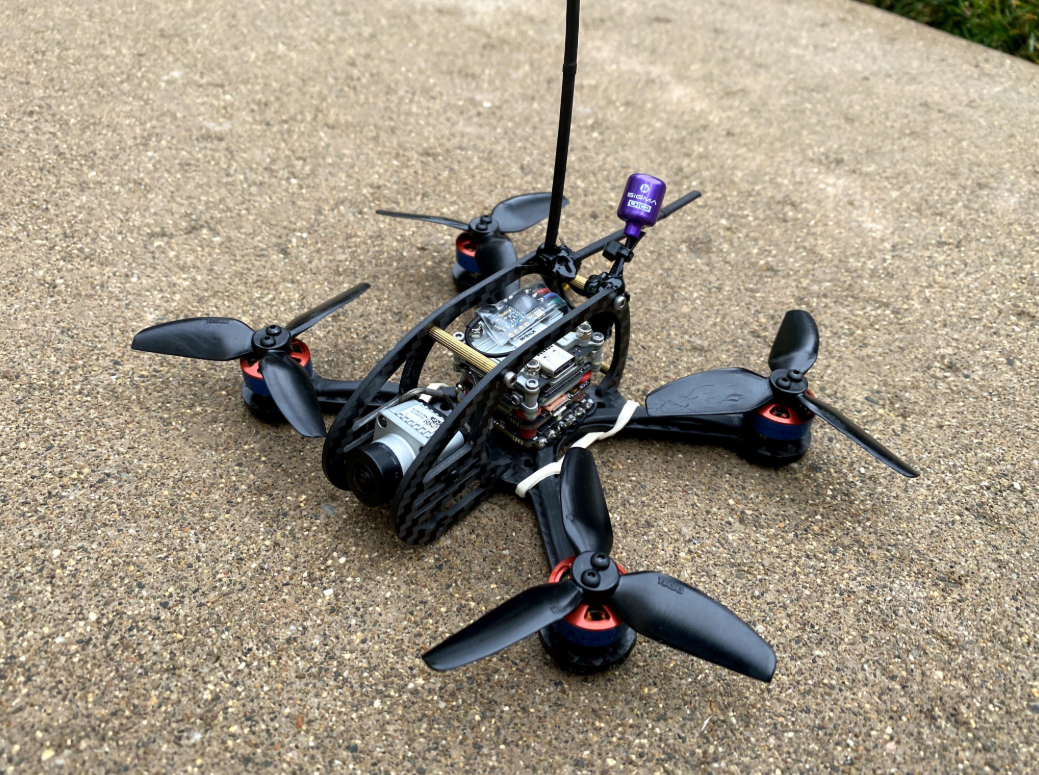
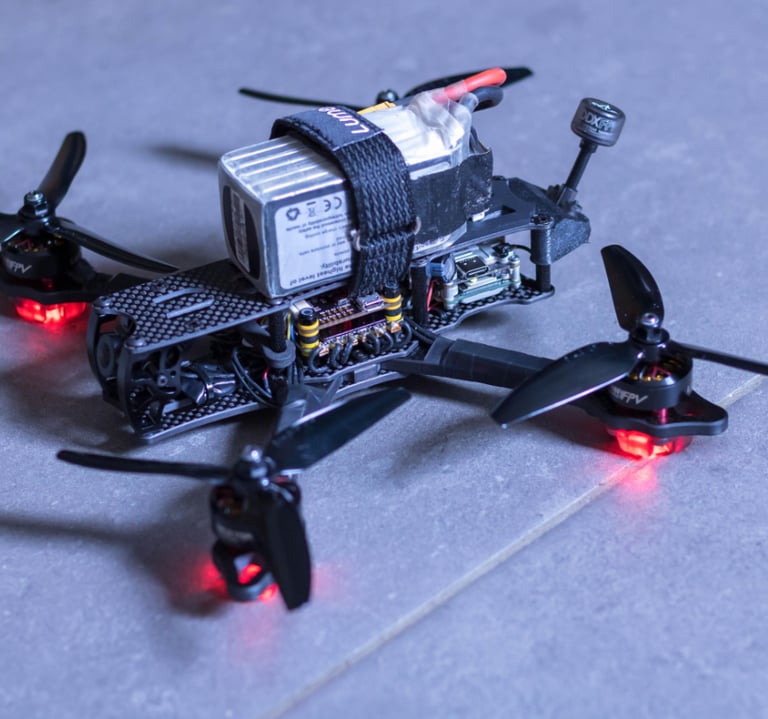
Racing FPV drones are specifically designed to deliver high speeds and exceptional maneuverability, making certain features critical for performance and control. One of the pivotal components in these drones is the flight controller. This device acts as the brain of the drone, processing input from various sensors to maintain stability and execute commands. Modern racing drones utilize advanced flight controllers equipped with sophisticated algorithms that enhance responsiveness and fine-tune flight characteristics.
Another crucial aspect is the video transmitter, which transmits real-time video feed from the drone's camera to the pilot's goggles or screen. For racing, a low-latency video feed is essential, allowing pilots to respond quickly to their environment. Typically, racing drones are equipped with high-power transmitters that provide a strong signal over varying distances, ensuring pilots have a clear view even in challenging conditions.
The camera specifications on racing FPV drones also deserve attention. These cameras are generally lightweight and capable of high-resolution video to enhance the pilot's experience during races. Many racing drones utilize fish-eye lenses that provide a wide field of view, allowing pilots to navigate obstacles more effectively. The integration of adjustable camera angles further aids in optimization for different racing styles or conditions.
Last but not least, racing FPV drones often come equipped with durable frames and high-performance motors designed to withstand frequent crashes and demanding flight patterns. The lightweight construction significantly contributes to speed, while powerful brushless motors ensure rapid acceleration and agile handling. Understanding these key features is essential for potential buyers looking to select a racing drone that excels in performance and control.
FPV Drones for Cinematic Flying
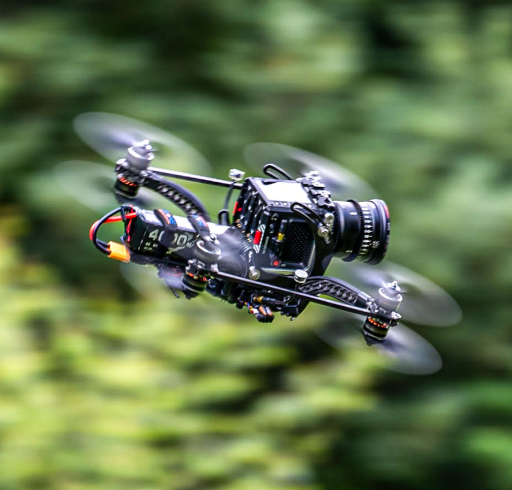
First-person view (FPV) drones have revolutionized the world of cinematic flying by providing unique opportunities for filmmakers and videographers to capture dynamic footage from perspectives that were once difficult to achieve. Among the various models available, cinewhoops and smooth freestyle FPV drones stand out as exceptionally suited for capturing cinematic imagery.
Cinewhoops, characterized by their small size and lightweight design, are equipped with propeller guards that not only ensure the safety of the drone but also protect the surroundings from potential damage during flights. This feature allows for close proximity flying, particularly in tight indoor spaces or delicate outdoor environments. The ability to navigate through confined areas without the fear of damaging valuable equipment or property has made cinewhoops a preferred choice for filmmakers aiming to achieve a certain aesthetic without compromising safety.
On the other hand, smooth freestyle FPV drones provide an impressive combination of stability and agility. These drones are designed to handle quick maneuvers while maintaining smooth video output, making them ideal for capturing breathtaking aerial shots and sweeping landscapes. The advanced stabilization features found in many of these drones ensure that even high-speed captures are steady and visually appealing. This aspect is crucial for videographers looking to produce high-quality content that resonates with audiences.
Furthermore, both cinewhoops and freestyle drones are equipped with high-definition cameras capable of recording in resolutions that meet professional standards. The flexibility in camera settings enables content creators to experiment with various shots, ranging from dramatic reveals to intimate close-ups. By harnessing cutting-edge drone technology, filmmakers can achieve visually stunning results that enhance storytelling through dynamic visuals. As the demand for unique video content continues to rise, the role of FPV drones in cinematic flying remains invaluable.
Components of a Complete FPV Drone Kit
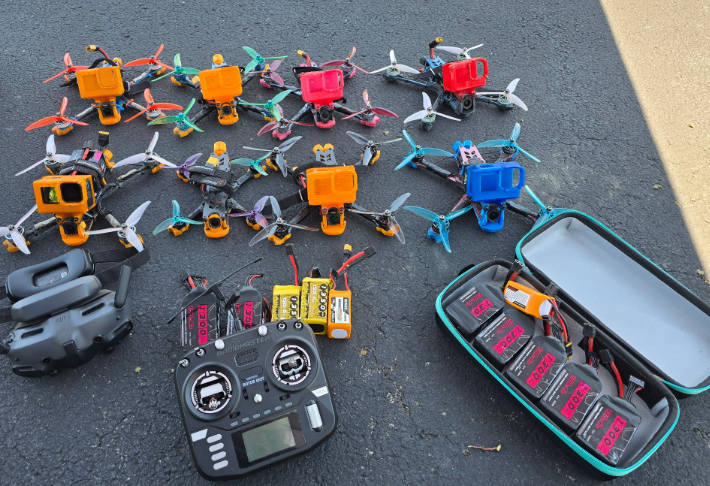
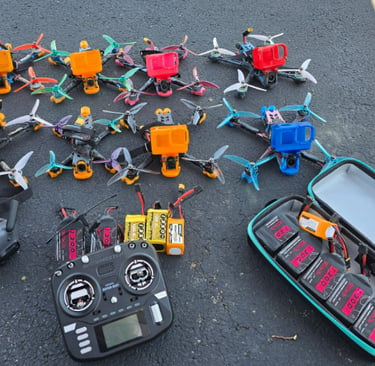
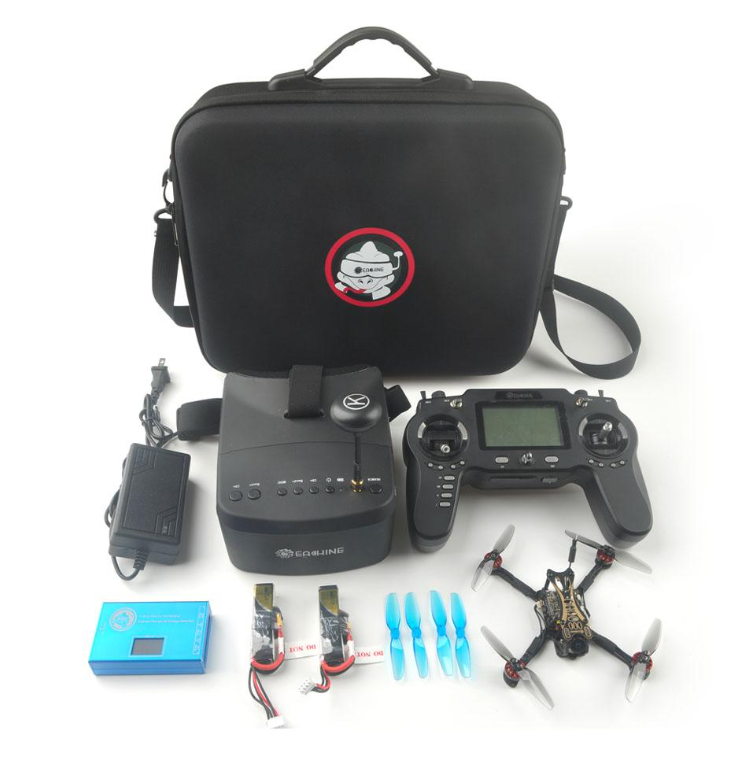
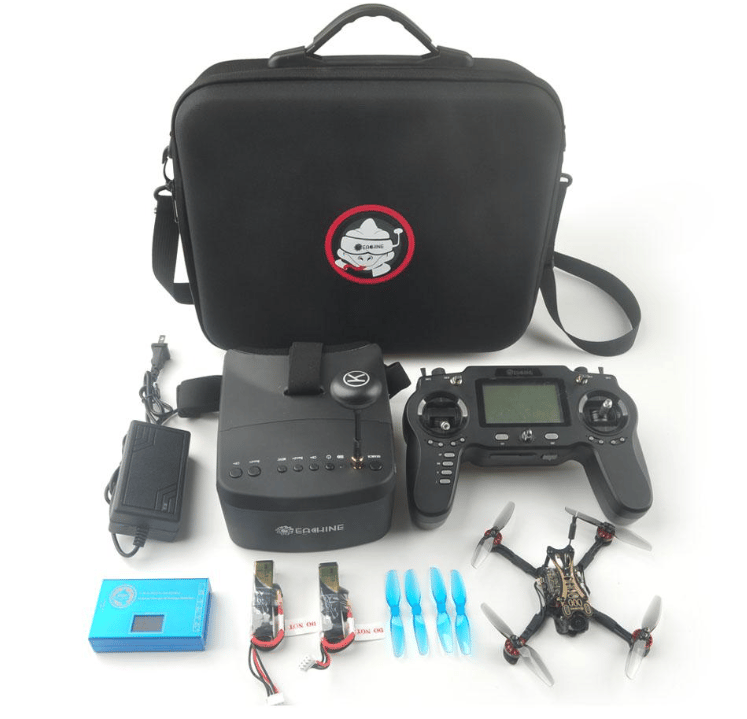
A complete FPV (First Person View) drone kit is essential for both beginners and experienced pilots looking to enhance their flying experience. This kit typically comprises several key components that ensure seamless operation and optimal performance during racing or cinematic flying.
The primary component is the FPV drone itself, which serves as the core of the kit. When selecting a drone, newcomers should prioritize models that are known for their durability and ease of use. In addition to the drone, FPV goggles are crucial for providing an immersive flying experience. These goggles allow pilots to experience first-person views, making them feel as though they are in the drone's cockpit while maneuvering through the air.
Another essential part of an FPV kit is the controller. A good controller should be both comfortable to hold and responsive to inputs, which is particularly important for racing scenarios. Many controllers come with customizable settings, enhancing user experience as pilots learn to hone their skills.
Battery selection is equally important, as different drones require specific battery types for optimal performance. It is advisable to purchase additional batteries to extend flying time, especially for those engaging in extended sessions of practice or racing.
Spare parts are another vital aspect of an FPV drone kit. Accidents and crashes are common, especially for beginners; thus, having spare propellers, landing gear, and other components readily available can prevent downtime and enhance the overall flying experience. Notably, compatibility among all components should be carefully considered, ensuring everything works in harmony without requiring excessive troubleshooting.
Ultimately, purchasing a complete FPV drone kit designed with user-friendliness and compatibility in mind will greatly benefit beginners navigating this exciting hobby.
Customizing Your FPV Drone for Experienced Pilots
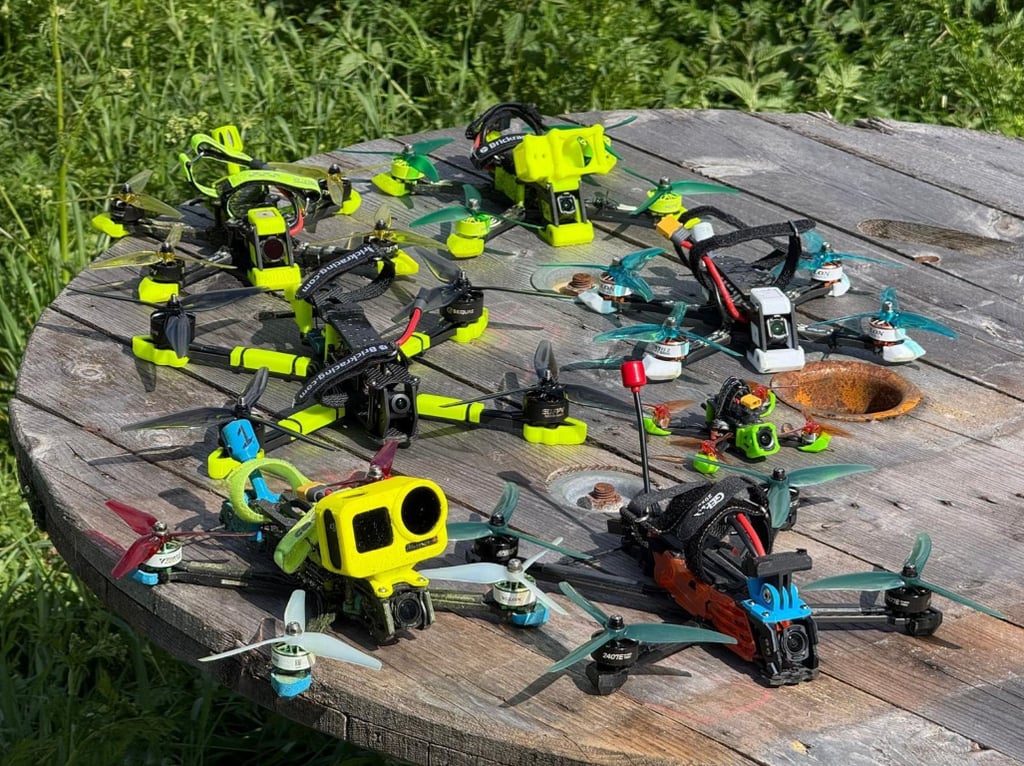
Customizing FPV drones has become a popular endeavor among experienced pilots seeking to enhance their flying capabilities and overall piloting experience. This practice allows pilots to tailor their drones to meet specific flying styles, preferences, and performance needs. Various components, including frames, motors, cameras, and electronic speed controllers, can be upgraded or replaced as necessary.
The frame is a crucial aspect of any FPV drone customization. Different frame designs offer unique advantages depending on the pilot's goals. For instance, lightweight frames may enhance agility in racing scenarios, whereas sturdy frames provide added durability for cinematic flying. Selecting a frame that aligns with an experienced pilot's flying style can significantly improve handling and maneuverability.
Motors play a pivotal role in the performance of FPV drones. Upgrading to higher KV motors can increase speed and responsiveness, essential for racing. Conversely, more efficient motors can be beneficial for cinematic applications, where smoothness and stability are prioritized. Additionally, pairing motors with the right propellers creates an effective synergy that enhances flight dynamics and efficiency.
Cameras are another critical component that affects the quality of the FPV experience. Experienced pilots often upgrade to high-definition cameras that offer superior image quality and low-light performance. These enhancements are vital for capturing stunning aerial footage during cinematic flights, allowing for increased creativity and storytelling potential.
Moreover, advanced electronic speed controllers (ESCs) provide improved throttle control and responsiveness, enabling pilots to execute intricate maneuvers with precision. Customizing FPV drones to include advanced components like these ultimately translates into an elevated flying experience that caters to the specific needs of each pilot.
Comparing FPV Drones: Making the Right Choice
When considering the acquisition of FPV drones specifically designed for racing or cinematic flying, several key criteria should be examined to make an informed decision. First and foremost is the price. Different models come with varying price tags, often reflecting their features and capabilities. Higher-end options may incorporate advanced technology, but budget-friendly alternatives can still deliver satisfactory performance for beginners or hobbyists. Finding a balance between cost and features is essential to optimize your investment.
The quality of the drone is another critical factor. Prospective buyers should look into the materials used in the construction of the drone, as durability directly impacts the longevity and performance during flight. Well-constructed drones can withstand crashes and weather conditions, making them a sound choice for both racers and cinematographers.
Next, flight time is a vital consideration. The duration of flight can vary significantly between models, with some drones providing extended periods of operation, while others may require more frequent battery changes. Depending on the intended use, longer flight times may be more desirable for cinematic applications, allowing for additional footage capture, whereas racers may prioritize agility and speed over extended flights.
Another essential aspect is the video system of the drone. For cinematic flying, high-resolution camera quality and stable video transmission are paramount. In contrast, racing drones may focus more on minimizing weight and maximizing speed. As such, understanding your filming or racing requirements will guide the selection process.
Lastly, the availability of spare parts is crucial for maintenance and repair. Regular use of FPV drones can lead to wear and tear, so easy access to replacement parts can enhance ownership experiences. It is advisable to consider brands and models that have a reputation for reliable customer support and a strong aftermarket presence.
Overall, matching the choice of drone to individual flying styles and budgets is paramount. By assessing these factors, users can confidently choose a drone that aligns with their specific needs and preferences.
Social Media
Contact
Newsletter
+856 20 97 510 070
© 2026. All rights reserved.