Top 10 Drone Accessories Every Pilot Should Own
Explore the top 10 drone accessories every pilot should own, including batteries, ND filters, propellers, carrying cases, and more for safer and better flights.
7/17/20268 min read
Extra Batteries
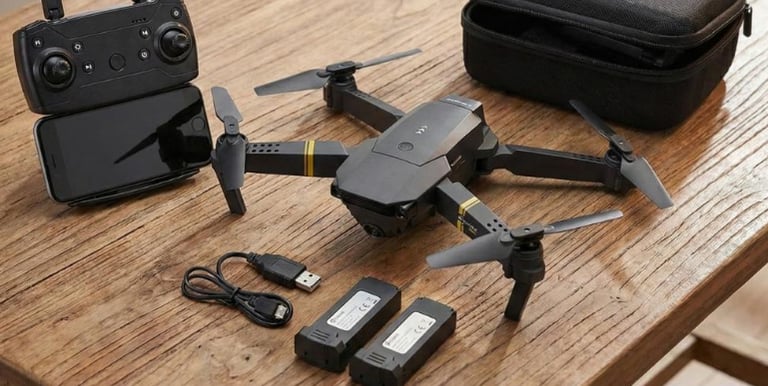
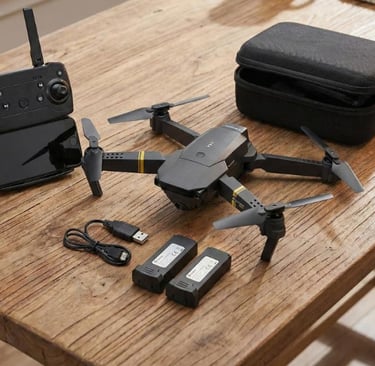
For drone enthusiasts, having extra batteries readily available is not merely an option; it's a fundamental requirement. The flight time of most drones is limited by the capacity of their battery, which is typically between 20 to 30 minutes. This restriction can be a significant hindrance when trying to capture the perfect shot or explore expansive landscapes. Therefore, possessing multiple batteries can significantly enhance a pilot's overall flight experience.
The benefits of having additional batteries extend beyond just prolonging flight time. Extra batteries allow drone pilots to transition seamlessly from one flight to another, maximizing productivity during outdoor sessions. Whether you are a professional photographer capturing aerial images or a hobbyist exploring new areas, more batteries mean fewer interruptions and more creative opportunities. Varieties of batteries are available to suit different drone models, from those designed specifically for high-end professional drones to those tailored for consumer-level devices.
When investing in extra batteries, it is paramount to choose compatible ones for your specific drone model to ensure optimal performance. Many manufacturers provide specifics on which battery types work best with their drones. Additionally, to extend the life of your batteries, practicing good maintenance is vital. For example, storing batteries in a cool, dry place, avoiding complete discharges, and charging them as recommended can help to maintain their longevity and efficiency. Moreover, be sure to keep an eye on the health of your batteries, watching for signs of swelling or degradation, which could indicate a need for replacement.
Multi-Battery Charger
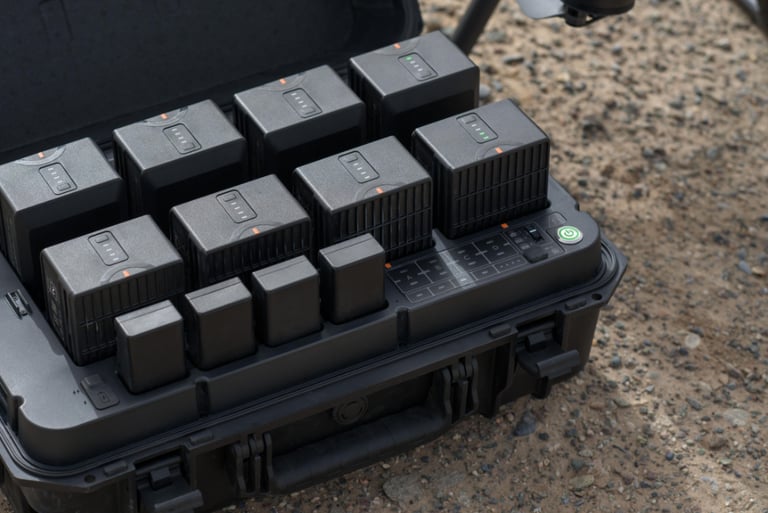
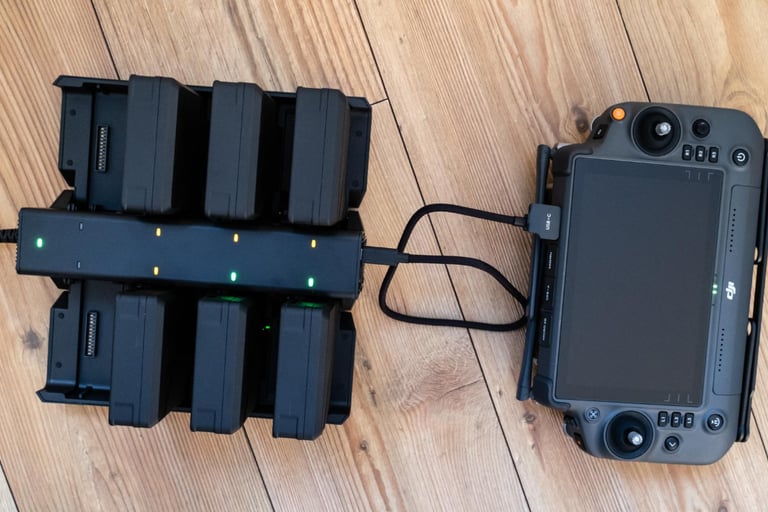
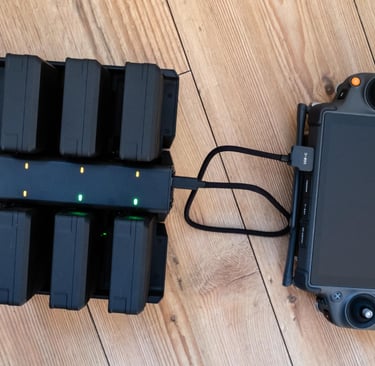
For drone pilots, managing flight time efficiently is crucial, and a multi-battery charger serves as an essential accessory that minimizes downtime between flights. This tool is designed to charge multiple batteries simultaneously, allowing for a seamless transition from one flight to the next. Its convenience not only enhances productivity but also maximizes the enjoyment of flying by reducing the wait time associated with battery recharging.
When selecting a multi-battery charger, there are several features worth considering. Firstly, compatibility is paramount; ensure that the charger supports the specific types and capacities of your drone's batteries. Look for chargers that offer smart charging technology, which adjusts the current and voltage based on battery needs, thereby extending the overall lifespan of the batteries. Additionally, a good charger will typically come equipped with safety features such as short circuit protection and temperature monitoring, which help prevent overcharging and potential fire hazards.
There are reputable brands known for their reliable multi-battery chargers, including brands like DJI, ISDT, and Hitec. These brands provide high-quality products backed by positive user reviews and proven performance. Each brand typically offers a range of chargers tailored to different battery types and usage scenarios, so it is advisable to evaluate your specific needs before making a purchase. Also, price points can vary; thus, consider spending a bit more on a trusted brand to ensure reliability and safety.
To conclude, owning a multi-battery charger is an excellent investment for any serious drone pilot. Not only does it facilitate longer flying sessions by keeping batteries ready at all times, but it also ensures that safety remains a priority during the charging process. By considering the right features and opting for a well-regarded brand, pilots can significantly enhance their overall drone experience.
Spare Propellers
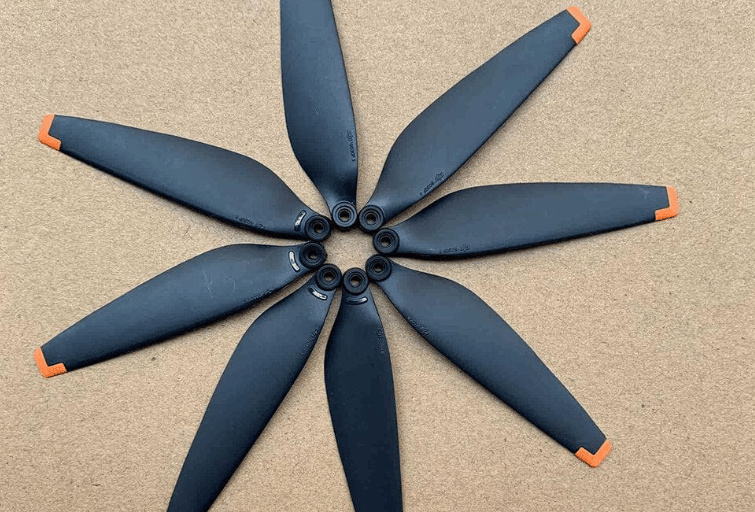
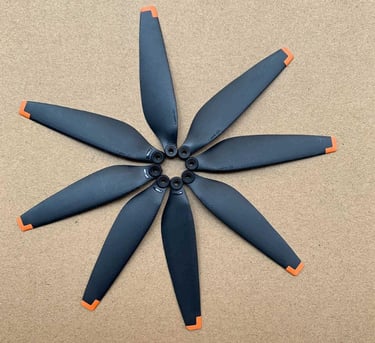
Propellers are among the most vulnerable components of a drone and can easily become damaged during flight. Factors such as rough landings, collisions, or environmental conditions can lead to bending or breaking of propellers, resulting in compromised drone performance. Therefore, having a set of spare propellers is essential for any serious drone pilot.
When considering spare propellers, it is crucial to choose the right type that is compatible with your specific drone model. Each drone is designed to work with specific propeller sizes and shapes, so it is advisable to consult the manufacturer's recommendations for optimal performance. Moreover, propellers typically come in different materials such as plastic, carbon fiber, or nylon. While plastic options are more affordable and sufficient for casual flying, carbon fiber propellers are known for their strength and durability, making them suitable for more demanding conditions or professional use.
Proper storage and transportation of spare propellers is also vital to ensure their longevity. Avoid exposing them to extreme temperatures or direct sunlight, as this can weaken the material and affect their functionality. A dedicated storage case can help protect propellers from physical damage while keeping them organized. Additionally, when transporting your drone, it is best to keep spare propellers in a separate compartment or cushioned area of your bag to prevent accidental bending or scratching.
In summary, investing in a set of spare propellers is a smart move for any drone pilot. This not only enhances the safety and reliability of your drone but also prepares you for unforeseen circumstances that may arise during flight operation.
Propeller Guards
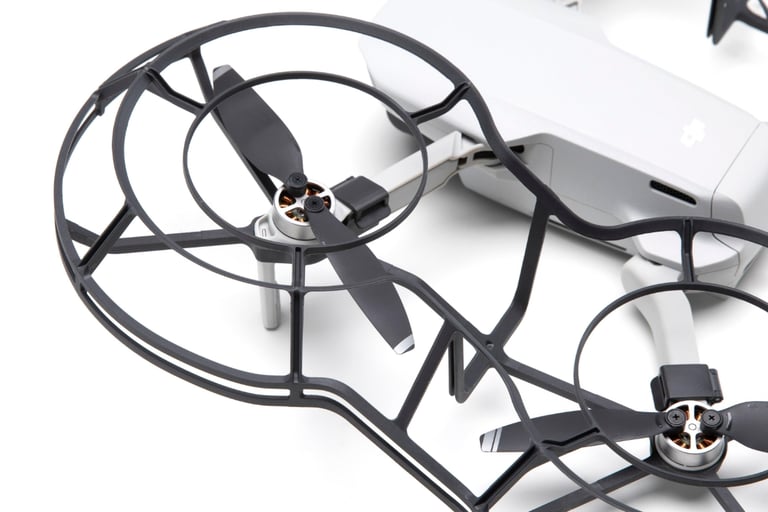
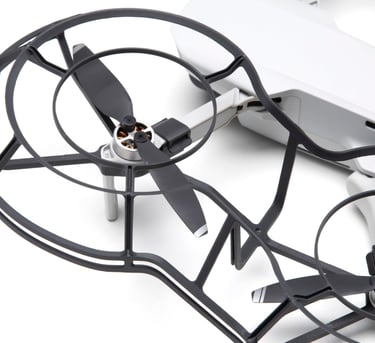
Propeller guards are essential accessories for any drone pilot, especially those who are new to flying or prefer indoor settings. These protective devices serve to safeguard both the drone and surrounding objects during flight. For novice pilots, propeller guards can provide a much-needed layer of security, mitigating the potential for irreversible damage caused by accidental collisions with walls or furniture.
When flying indoors, where space is limited and obstacles are abundant, propeller guards are particularly useful. They can effectively prevent the propellers from making contact with surfaces or other objects, thereby reducing the risk of crashes. This is vital, as a drone's propellers spin at high speeds and can cause significant damage both to the drone itself and to the environment it is operating in.
There are various types of propeller guards available, designed to fit specific models of drones. Popular brands like DJI and Parrot offer proprietary guards that seamlessly integrate with their quadcopters, ensuring that pilots can maintain optimal aerodynamics while also benefiting from enhanced safety. Additionally, third-party manufacturers provide compatible guards for various drone models, often at more affordable prices. These guards can be made from different materials, such as sturdy plastics or flexible polymers, catering to different flying conditions and personal preferences.
In summary, propeller guards are a crucial accessory for drone pilots of all experience levels. Not only do they enhance safety during indoor flights and around obstacles, but they also serve to protect the drone during encounters with unforeseen elements. When investing in a drone, considering the inclusion of propeller guards can ensure a more secure and enjoyable flying experience.
Carrying Case
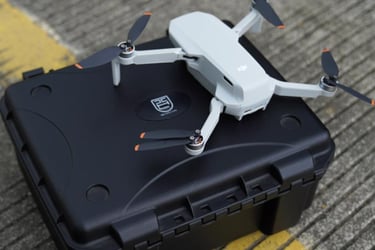
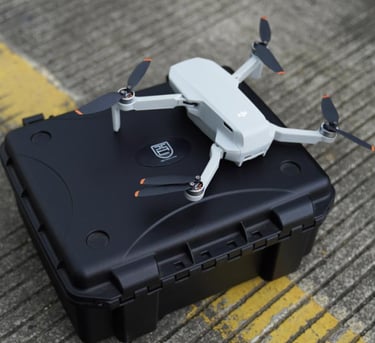
For any drone enthusiast, safeguarding your drone and its accessories during travel is of paramount importance. A quality carrying case serves as a protective barrier against potential damage from impacts, weather conditions, and the general wear and tear associated with transit. Various types of carrying cases are available on the market, each designed to cater to different needs and preferences.
When selecting a carrying case, factors such as size, material, and padding should be of utmost consideration. The size of the case should comfortably accommodate not only the drone but also any additional accessories, including batteries, controllers, and spare propellers. A case that is too snug may damage your drone, while one that is too large may not provide adequate cushioning, increasing the risk of movement and accidental impact.
Materials also play a crucial role in the durability and effectiveness of a carrying case. Hard shell cases, often made from molded plastic, provide robust protection against drops and impacts. On the other hand, soft cases, typically constructed from fabric, are lightweight and easier to carry but may not offer the same level of protection. Padding is essential in either case; cases with reinforced foam interiors help absorb shocks and prevent the drone from shifting during transport.
Investing in a quality carrying case is not merely an expense but rather an essential step towards ensuring the longevity of your drone. A well-designed case can prolong the life of your equipment, allowing you to enjoy your drone piloting adventures with peace of mind. Ultimately, a good carrying case will help preserve your drone’s performance and functionality, ensuring that it is always ready for the next flight.
ND Filters
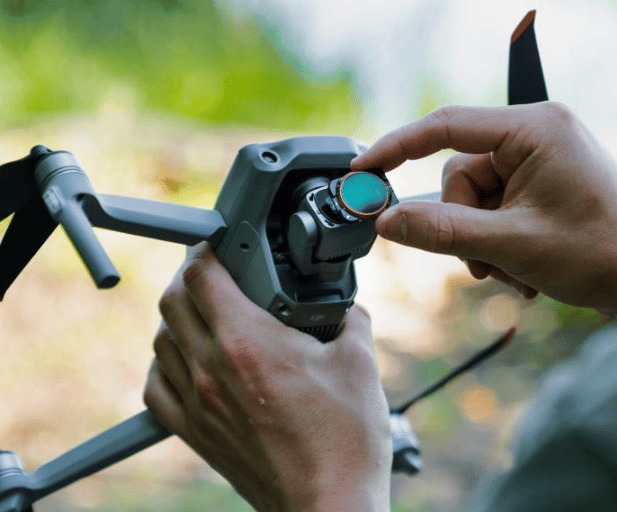
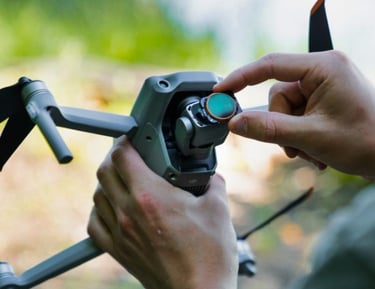
Neutral Density (ND) filters are an essential accessory for drone pilots aiming to enhance their aerial photography and videography. These filters work by reducing the amount of light that enters the camera lens, thereby allowing for greater control over exposure settings. By limiting light exposure, ND filters enable photographers and videographers to achieve a longer shutter speed, which can create a beautiful motion blur in fast-moving subjects, especially during sunrise or sunset shots.
In photography, ND filters can significantly improve the quality of images by preventing overexposure and maintaining the correct exposure balance. This ensures that highlights do not become washed out, particularly in bright conditions. For filmmakers, using ND filters translates to smoother and more cinematic footage, as they facilitate the use of the desired shutter speed settings while capturing natural motion blur, which is crucial for producing professional-grade video content.
There are several types of ND filters available on the market, each designed for specific needs and lighting conditions. Fixed ND filters provide a set amount of light reduction, while variable ND filters offer adjustable light control. This flexibility makes variable ND filters particularly advantageous for drone pilots who may experience varying light conditions throughout a flight. Additionally, the strength of ND filters is denoted in stops, allowing users to select filters based on their specific shooting requirements.
When selecting ND filters for your drone, consider the drone's camera specifications, the lighting conditions you most frequently encounter, and the type of shots you intend to capture. A good practice is to experiment with different filters to find the ideal combination that suits your shooting style, ensuring that your aerial footage consistently meets or exceeds your artistic and professional expectations.
FPV Goggles or Monitor
FPV (First-Person View) technology has significantly transformed the drone piloting experience by providing users with an immersive perspective. Pilots can either opt for FPV goggles or a monitor, each offering distinct advantages and drawbacks. This section will explore the pros and cons of both options while highlighting essential features to consider when making a choice.
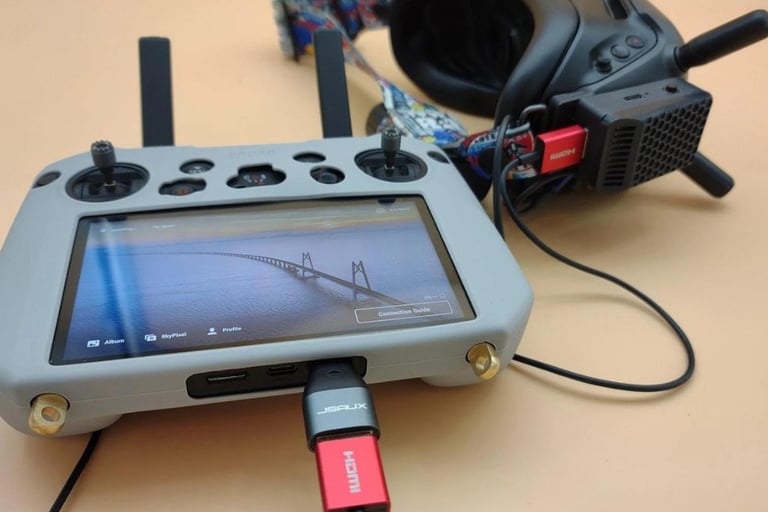
FPV goggles provide an immersive experience by allowing the pilot to feel as if they are inside the drone. The primary advantage of using goggles is the increased field of view, which can enhance situational awareness and depth perception during flight. Additionally, many FPV goggles come equipped with features such as adjustable lens for better comfort, head tracking capabilities, and built-in antennas for improved signal reception. However, they can be uncomfortable during long flights and may not allow for a multi-pilot experience, as they are designed for one person.
On the other hand, monitors offer a more communal viewing experience, making them a suitable choice when flying with friends or during events. They are generally more user-friendly, allowing easy setup and portability. However, monitors can be susceptible to reflections and glare, negatively impacting visibility in bright conditions. Moreover, the field of view is limited compared to FPV goggles, which may hinder an immersive experience.
When choosing between FPV goggles and monitors, consider factors such as battery life, resolution, compatibility with your drone, and ease of use. Popular models like the Fat Shark HDO2 goggles and the Feelworld F6 Plus monitor have garnered positive reviews among pilots, emphasizing ease of use and reliability. Ultimately, the decision comes down to personal preference and specific piloting needs, making both accessories valuable for enhancing control and responsiveness during drone operations.

Social Media
Contact
Newsletter
+856 20 97 510 070
© 2026. All rights reserved.