
Choosing the Perfect FPV Drone Frame for Sale: A Comprehensive Guide
Learn how to choose the perfect FPV drone frame for sale. Compare frame sizes, materials, durability, and compatibility to build your ideal FPV drone.
7/20/20268 min read
Understanding the Importance of the Right FPV Drone Frame
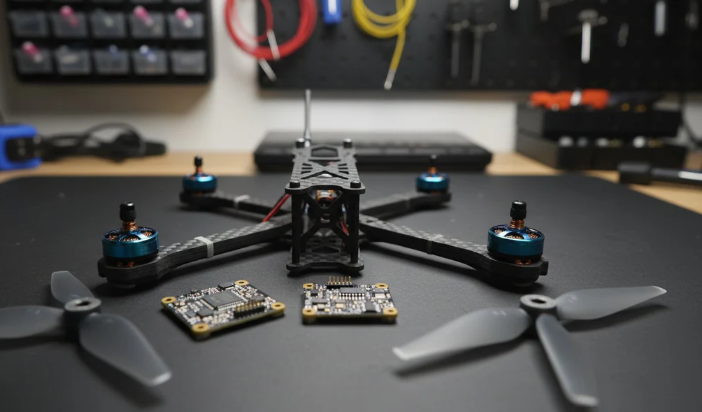
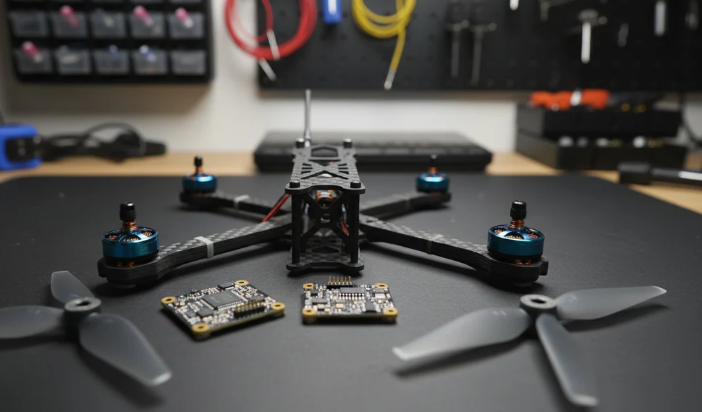
When it comes to first-person view (FPV) drone flying, selecting the correct drone frame is paramount for any pilot, from beginners to seasoned enthusiasts. The drone frame serves as the essential backbone, determining not just the structure but also the overall performance and capabilities of the drone. A frame that does not align with a pilot's intended use can result in compromised performance, elevated repair costs, and an unenjoyable flying experience.
The durability of the frame plays a critical role in the experience of the pilot. Drones often encounter rough landings or even crashes, especially in racing or freestyle scenarios. A robust frame can withstand these impacts better than a weaker construction, thus prolonging the drone’s lifespan and minimizing maintenance costs. By choosing a durable FPV drone frame, pilots are investing in a component that potentially reduces the frequency and financial burden of repairs.
Moreover, the frame’s design influences its compatibility with various flight styles. For instance, a racing frame prioritizes agility and speed, while a cinematic frame may emphasize stability and smooth footage capturing. Long-range frames, on the other hand, are designed to support larger batteries for extended flight times. Selecting the ideal frame involves understanding personal flying goals and ensuring that the frame aligns with these aspirations. Therefore, the importance of the right FPV drone frame cannot be overstated; it serves as the foundation upon which performance, durability, and adaptability are built.
Racing FPV Drone Frames: Key Characteristics
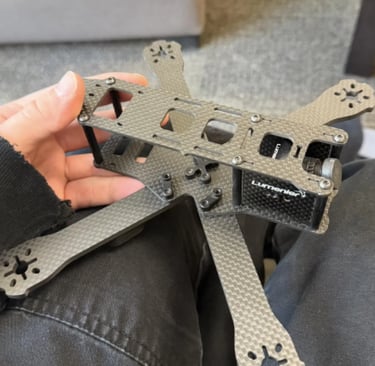
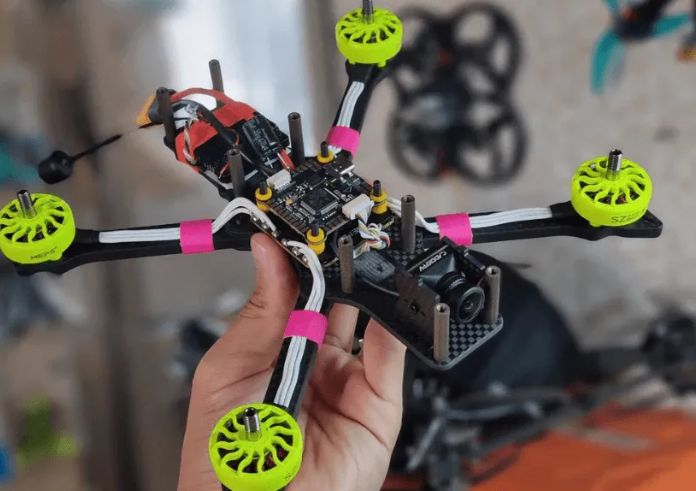
When selecting a racing FPV drone frame, several key characteristics must be considered to ensure optimal performance, speed, and agility in competitive scenarios. A primary aspect is the weight of the frame; lightweight designs are essential as they allow for rapid acceleration and enhance maneuverability during fast-paced races. Carbon fiber is the preferred material for constructing these frames because it provides an excellent strength-to-weight ratio, making the drone both robust and lightweight.
Another critical consideration is arm strength. Racing frames should feature arms designed to absorb impacts while retaining their structural integrity. This is especially important in racing environments where collisions are common, and a resilient frame can withstand crashes without leading to extensive damage. Additionally, the geometry of the frame should promote stability and agility, allowing pilots to navigate through tight corners and obstacles swiftly.
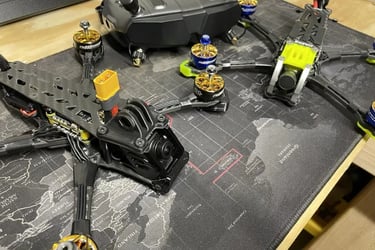
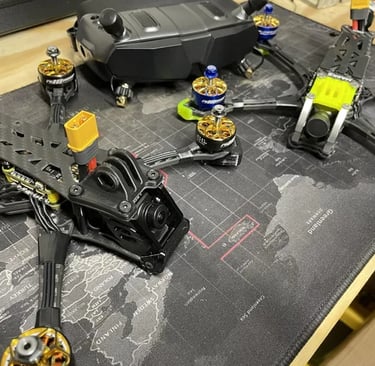
Motor space is also a vital aspect. The racing drone frame must have adequate space for high-performance motors, which tend to be larger, and should allow for effective heat dissipation to avoid overheating during intense races. Compatibility with various components, such as flight controllers, ESCs, and camera mounts, is crucial for ensuring that the drone can be optimized based on specific user preferences and technical requirements. A modular design can enhance component compatibility, enabling easy upgrades.
Finally, features such as vibration dampening and the integration of protective gear, like bumpers, can significantly improve the overall flight experience and longevity of the racing FPV drone frame. By focusing on these characteristics, pilots can choose a frame that not only fits their racing style but also maximizes performance and durability on the race course.
Freestyle FPV Drone Frames: Durability and Repairability
When selecting a freestyle FPV drone frame for sale, the priorities are sharply defined: durability, weight, and repairability. Freestyle pilots often engage in high-risk maneuvers such as flips, rolls, and rapid descents, which can result in hard landings. Consequently, the frame must be robust enough to withstand such impacts without compromising performance. A durable frame is essential; it should be constructed from high-quality materials such as carbon fiber or reinforced plastics, which provide the necessary rigidity while maintaining a lightweight profile.
Equally important is the repairability of the drone frame. Many freestyle pilots prefer frames that come with replaceable arms. This feature minimizes repair costs and downtime, allowing for quick and cost-effective replacements after crashes. When a drone encounters a mishap, having the option to switch out damaged arms rather than replacing the entire frame can save both time and money. Pilots should look for frames designed with modular components to facilitate easy repairs and upgrades.
Additionally, finding the right balance between weight and strength is vital. Lighter frames may improve flight agility and responsiveness, but they can increase the risk of breaking upon impact. Therefore, the choice of materials and the overall construction design should prioritize both aspects. Pilots should seek frames that provide a balance of strength without significantly increasing weight, as excessive heft can hinder performance during freestyle flying.
In conclusion, selecting the right freestyle FPV drone frame requires careful consideration of durability, repairability, and weight. A well-constructed frame not only enhances flying experience but also ensures longevity and reduced maintenance costs, making it a crucial investment for any serious freestyle pilot.
Cinematic FPV Drone Frames: The Rise of Cinewhoops
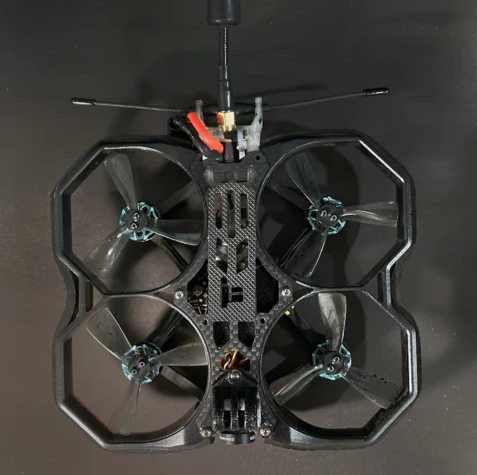
Cinematic FPV drone frames, particularly those known as cinewhoops, have gained significant popularity in recent years due to their unique design and capabilities. Cinewhoops are specifically tailored to cater to the demands of cinematic applications, making them an ideal choice for capturing high-quality footage in close-up and indoor environments. One of the distinguishing features of these frames is the inclusion of propeller guards or ducts, which enhance their safety and stability during operation.
The propeller guards not only protect the drone's propellers from potential damage during collisions but also create a safer flying experience, especially for close-range filming. This feature allows pilots to fly with confidence in tight spaces, whether filming indoors or near people. The stability offered by cinewhoop frames is crucial for achieving smooth and professional videography, reducing the likelihood of shaky footage that can detract from the overall viewing experience.
When selecting a cinewhoop frame, it is essential to consider several factors to ensure optimal performance and versatility in filming. Firstly, look for frames with adjustable camera mounts that accommodate a range of camera sizes and types. This adaptability is key for filmmakers who may use different cameras for various projects. Furthermore, consider the weight of the frame; a lighter frame can enhance maneuverability and reduce fatigue during extended flights.
Additionally, the design of the frame should allow for easy access to electronic components for maintenance and upgrades. Ensuring that your drone has a well-thought-out design can significantly impact its operational capabilities and the quality of footage captured. In the evolving landscape of drone videography, selecting the right cinematic FPV drone frame, particularly a cinewhoop, is imperative for achieving stunning aerial shots that captivate audiences.
Key Specifications to Consider Before Buying an FPV Drone Frame
When selecting an FPV (First Person View) drone frame, several crucial specifications must be taken into account to ensure optimal performance and compatibility with other components. One of the primary aspects to consider is the frame size. FPV drone frames come in various sizes, typically categorized as micro, mini, and full-size. The choice of frame size will affect the drone's weight, maneuverability, and the type of components that can be installed.
Another essential specification is the construction material. Popular materials for FPV frames include plastic, carbon fiber, and aluminum. Carbon fiber frames, while generally more expensive, offer a lightweight yet durable option that is preferred for racing and aerobatics. Conversely, plastic frames may be more cost-effective but often compromise on strength and durability.
The motor mounting patterns should also be carefully assessed. Different frames have specific mounting configurations which can affect the type of motors and propeller combinations that can be used. Pilots should ensure that the frame is compatible with their preferred motor configurations to facilitate better performance.
Furthermore, analyzing the stack space for electronics is vital. The frame must accommodate the electronic components such as flight controllers, video transmitters, and receivers. Ample stack space will ensure that components are securely mounted and properly spaced, reducing the chances of interference or damage during flight.
Battery positioning is another critical element. Adequate battery placement not only influences the flight dynamics but also affects the ease of access for battery replacements. Finally, understanding the propeller size that is compatible with the frame can significantly impact flight characteristics and overall performance. By thoroughly evaluating these specifications, pilots can select the most suitable FPV drone frame for their needs.
Finding the Right Balance: Performance vs. Cost
When it comes to purchasing an FPV drone frame, many enthusiasts often find themselves grappling with the relationship between performance and cost. It is a common misconception that the most expensive frame automatically offers the best performance. While higher-priced frames may indeed offer advanced features, superior materials, and enhanced durability, they are not always the most suitable option for every pilot's needs.
The ideal approach involves understanding how a frame's performance characteristics align with one's budget, flying style, and parts compatibility. For instance, a pilot primarily interested in casual flying or aerobatics may find that mid-range frames adequately meet their requirements without the hefty price tag associated with top-tier models. Conversely, competitive racers may warrant investing in higher-cost frames that provide the necessary aerodynamic advantages and performance enhancements.
Moreover, cost considerations extend beyond the initial purchase price. It is essential to account for the total cost of ownership, which includes the potential need for upgrades, replacement parts, and specialized components tailored to specific flight characteristics. Therefore, opting for a more affordable frame that allows for future customization and improvements might be a more prudent decision. This ensures that the pilot can gradually invest in their setup, enhancing performance over time while adhering to their budget.
In essence, finding the right balance between performance and cost necessitates thorough research and introspection on the pilot's unique flying ambitions. Evaluating the desired outcomes against financial constraints can lead to a well-informed purchase that satisfies both performance requirements and budgetary limitations, ultimately enhancing the overall FPV experience.
Conclusion: Tailoring Your Frame Choice to Your Flying Style
Choosing the right FPV (First Person View) drone frame is essential for optimizing your flying experience. Throughout this guide, we have discussed various aspects to consider when selecting a frame, notably how it aligns with your individual flying style and operational requirements. A well-chosen frame will not only enhance your flying capabilities but also improve your overall enjoyment of the hobby.
First, it is important to understand that different flying styles demand different frame characteristics. For instance, if you prefer high-speed racing, a lightweight and aerodynamic frame designed for agility would be optimal. Conversely, if your focus is on capturing stunning aerial footage, a more robust frame that accommodates additional stabilization features might be necessary. Therefore, assessing your primary uses for the drone will help narrow down your frame options effectively.
Moreover, the material and design of the frame play a significant role in your choice. Carbon fiber frames offer a mix of durability and weight efficiency, making them suitable for competitive flying. In contrast, plastic frames may be better for beginners or those who prioritize cost-effectiveness over performance. Remember, the perfect frame must resonate with not only your flying style but also your budget and personal preferences.
In conclusion, making an informed decision about your FPV drone frame involves analyzing various factors, including your flying style and needs, to find the right balance between performance and durability. Ultimately, the ideal frame will complement your skills, enhance your flying experience, and contribute to your success as an FPV pilot. With careful consideration, you will undoubtedly select a frame that serves your aspirations and offers the thrill you seek in drone flying.

Social Media
Contact
Newsletter
+856 20 97 510 070
© 2026. All rights reserved.