
The Best Brushless Motors for FPV Drones: A Comprehensive Guide
Explore the best brushless motors for FPV drones. Compare motor sizes, KV ratings, efficiency, and performance to choose the perfect motor for your build.
7/21/20268 min read
Understanding Brushless Motors
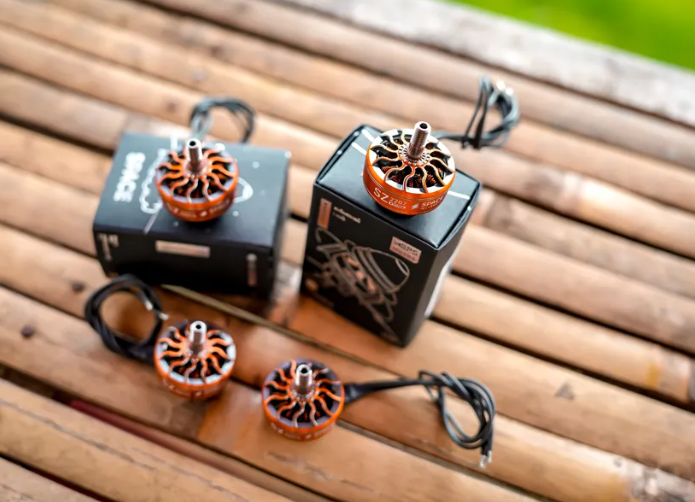
Brushless motors represent a significant advancement in the technology of electric motors, particularly in their application within the realm of FPV (First Person View) drones. Unlike traditional brushed motors, which rely on brushes to transfer electricity to the motor's windings, brushless motors utilize an electronic speed controller and an arrangement of permanent magnets and coils. This design results in reduced friction and wear, thus enhancing durability and efficiency.
One of the standout benefits of brushless motors is their superior efficiency. They convert electrical energy into mechanical energy more effectively than their brushed counterparts, leading to longer flight times for drones. This efficiency also translates into higher speeds, allowing FPV drone operators to experience thrilling maneuvers and swift responses. Given the competitive nature of drone racing and aerial photography, such capabilities are crucial.
Moreover, brushless motors generally require less maintenance over time. The absence of brushes means that there is a lower likelihood of component wear and tear, which can lead to a longer lifespan of the motor. This aspect is particularly appealing for drone enthusiasts and professionals who rely on their equipment for regular use.
Furthermore, brushless motors offer improved control, making them ideal for the intricate movements often required in FPV flying. With their precise throttle control and ability to handle quick direction changes, these motors enhance the overall flying experience. For pilots, this results in less turbulence and a more stable flight, allowing for both cinematic aerial shots and competitive racing performance.
In summary, the shift from brushed to brushless motors has been pivotal in the evolution of FPV drones. Their efficiency, durability, and superior performance make them the preferred choice for enthusiasts and professionals alike, underlining their importance in providing an exceptional flying experience.
Selecting the Right Motor for Your Flying Style
When it comes to choosing brushless motors for FPV drones, understanding how different flying styles affect motor selection is crucial. There are primarily three flying styles in the FPV world: racing, freestyle, and cinematic. Each style demands particular motor characteristics that cater to performance, stability, and control.
For racing enthusiasts, speed is the centerpiece of their flying experience. Consequently, they typically favor motors with higher kv ratings, often in the range of 2400-2600 kv. Such motors enable quicker throttle response and higher RPMs, allowing pilots to achieve rapid acceleration and optimal top speeds. However, one must consider the trade-off between high kv ratings and efficiency; high-performance racing motors tend to generate increased heat and might compromise battery life. It's also crucial to opt for lightweight motors that align with the overall build, fostering agility without sacrificing thrust.
Freestyle flying, characterized by acrobatics and tricky maneuvers, requires motors that emphasize control and stability. Pilots in this category usually select motors with moderate kv ratings, between 1800-2300 kv, providing a balance of speed and torque. The right motor size is imperative as it affects the drone's responsiveness during flips, rolls, and spins. Additionally, larger motors may offer the necessary power for sustained maneuvers, enabling pilots to explore their creative capabilities in the air.
Cinematic FPV flying focuses on capturing high-quality footage, which necessitates a different approach. Here, lower kv motors, generally ranging from 1200-1800 kv, often suffice as they allow for smoother, more stable flight patterns. These motors are advantageous for gimbal stabilization and achieving slow, controlled movements, leading to enhanced video quality. Weight is also an important consideration, as heavier motors may hinder the drone's ability to maintain its smooth flying characteristics.
Ultimately, selecting the appropriate brushless motor requires an understanding of personal preferences and flying styles. Aligning motor specifications with intended applications will ensure pilots achieve the best possible performance from their FPV drones.
Top Brushless Motors for Racing Drones
Brushless motors are a vital component of racing FPV drones, providing the necessary power and efficiency for optimal performance. Several top-rated brushless motors stand out in the racing community, each offering unique specifications and features tailored for high-speed maneuvers and swift acceleration.
One of the leading options is the EMAX RS2205 series. These motors are known for their impressive kv ratings, which range from 2300 to 2600. The high kv ratings translate to faster RPMs, resulting in rapid acceleration required in competitive environments. Additionally, EMAX motors are designed with durable materials that withstand the rigors of racing, ensuring reliability even under high throttle conditions.
Another exceptional choice is the SunnySky X4108 brushless motor. Renowned for its efficiency, this model provides excellent torque and stability. Users have reported that it maintains consistent performance across various racing conditions, allowing pilots to execute sharp turns with confidence. The motor's lightweight design contributes to improved agility, a crucial advantage during fast-paced events.
The T-Motor F60 is also highly regarded among racers. With kv ratings typically around 2450, this motor boasts a reputation for its robust construction and efficient power delivery. Testimonials from racing pilots highlight its responsiveness and fuel efficiency, making it an ideal choice for those looking to enhance their racing capabilities.
In conclusion, the selection of brushless motors such as the EMAX RS2205, SunnySky X4108, and T-Motor F60 reflects the diverse needs of racing drone enthusiasts. When choosing a brushless motor, factors like kv ratings, construction quality, and pilot reviews should guide your decision to achieve the best possible racing performance.
Best Brushless Motors for Freestyle Drones
When it comes to choosing brushless motors for freestyle drones, durability and control play pivotal roles in enhancing the overall flying experience. Freestyle pilots require motors that not only support exciting maneuvers such as flips, rolls, and dives but also ensure responsive and stable flight characteristics. The right brushless motor can significantly elevate a pilot's proficiency in executing complex aerial tricks while maintaining safety and reliability.
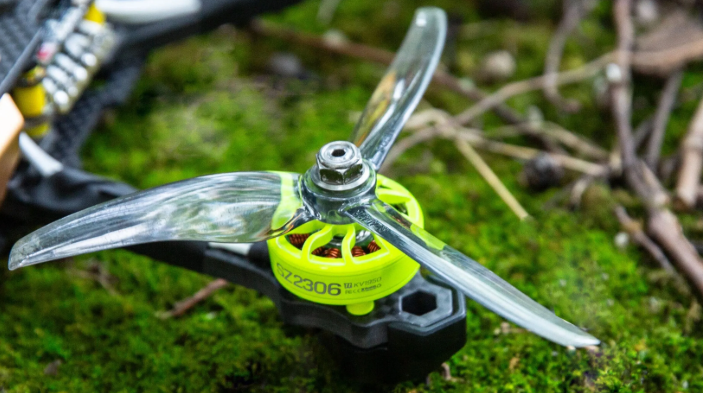
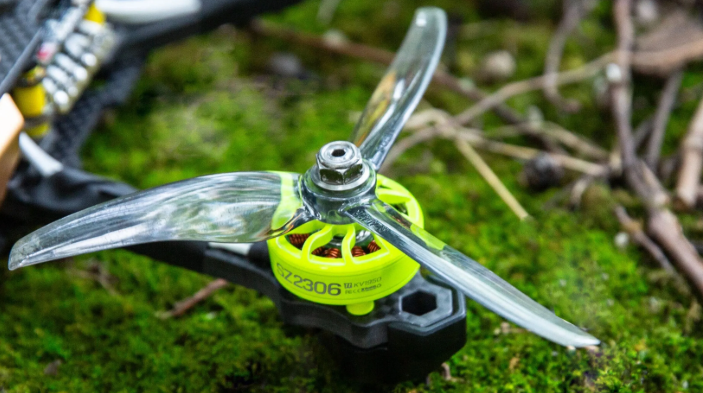
Among the top recommendations for freestyle motors are the 2207 and 2306 brushless motors. These motor sizes have gained popularity in the FPV community due to their balance of thrust and efficiency. High-quality materials, such as aluminum and carbon fiber, contribute to the overall durability of these motors, ensuring they withstand the rigors of intense flying sessions. Additionally, features like superior bearings and well-designed stators enhance performance, leading to quicker response times during aggressive maneuvers.
Furthermore, user feedback is invaluable when selecting motors. Freestyle pilots often share their experiences regarding specific models, which can guide new users in their choice. For instance, motors such as the EMAX Eco II series and the T-Motor F40 Pro IV are frequently highlighted for their robust performance under high-stress conditions. These models are noted for their excellent power output and smooth throttle response, appealing to discerning pilots seeking superior control.
In examining durability, the capability of a motor to endure impacts without compromising functionality is essential. Aesthetic considerations may also come into play, as some pilots prefer visually appealing designs to complement their drone builds. Ultimately, selecting the best brushless motors involves a well-rounded assessment of performance metrics, durability, user recommendations, and personal preferences, all tailored to elevate the freestyle flying experience.
Choosing Efficient Motors for Cinematic FPV Drones
When it comes to cinematic FPV drones, the selection of brushless motors plays a crucial role in achieving high-quality footage. These motors not only influence the flight performance but also significantly affect the stability of the drone while handling camera equipment. For filmmakers, the ability to capture smooth, steady footage is essential, making efficient brushless motors particularly desirable.
The efficiency of a brushless motor directly impacts both the flight duration and reliability, allowing pilots to achieve longer aerial shots without the worry of battery depletion. Efficient motors consume less power, which means they can support the additional weight of professional cameras and batteries typically used in cinematic applications. This balance between power and efficiency is paramount, as it enhances the overall flight experience while ensuring safety.
When selecting motors for cinematic FPV drones, consider options that offer a higher thrust-to-weight ratio. Motors with this characteristic enable the drone to lift heavier payloads with ease, leading to more dynamic shots. Additionally, look for models that provide smooth throttle response to allow for subtle maneuvers essential in capturing cinematic events. Popular recommendations include the Emax GT series, known for their reliability and efficiency, and the T-Motor F series, praised for their high torque and low noise levels, which are beneficial in and around filming environments.
Furthermore, it is advisable to pair brushless motors with high-quality ESCs (Electronic Speed Controllers) that are compatible and optimized for them to ensure seamless communication. The combination of an efficient motor and quality ESC frees drone operators to focus on capturing mesmerizing aerial shots without being hindered by mechanical issues. By choosing the right brushless motors, drone enthusiasts can elevate their cinematic pursuits to new heights.
Key Factors to Consider When Buying Brushless Motors
When investing in brushless motors for FPV drones, several crucial factors must be weighed to ensure optimal performance. Understanding these elements is fundamental to enhancing your drone's capabilities and ensuring compatibility with your overall build.
One of the primary considerations is the motor size, which influences both power and weight. A larger motor typically provides greater thrust, but it may add significant weight that could hinder performance. Therefore, finding a balance between size and motor efficiency is imperative.
The kv rating is another essential factor to assess. This rating indicates the motor's speed and its ability to produce torque. A higher kv rating translates to higher RPMs, which is beneficial for high-speed flying but may lead to reduced torque and efficiency at lower speeds. Therefore, selecting a kv rating that aligns with your intended flight style is crucial.
Battery voltage is integral to motor operation as well. Brushless motors have specific voltage ratings, and using a battery that exceeds this can lead to overheating and damage. Always ensure that the battery voltage matches the specifications outlined by the motor manufacturer.
Additionally, propeller size plays a significant role in the aircraft's efficiency and performance. A propeller that is too large for the motor can overload it, while a propeller that is too small may not utilize the motor's full potential. Proper matching of motor and propeller size can enhance overall flight capability.
Furthermore, pay attention to the mounting patterns of the motors. Ensuring that the mounting holes align with your drone's frame is vital for secure installation. Consider the weight of the motor, as this affects payload capacity and flight times, as well as connector compatibility to maintain a stable electronic connection. All these factors directly influence the functionality and performance of your FPV drone when equipped with brushless motors.
Finding the Best Value Brushless Motors
When it comes to selecting brushless motors for FPV drones, value is often mistakenly equated with higher price tags. However, the best brushless motor for an FPV drone is not necessarily the most expensive one on the market. It is imperative for enthusiasts and professionals alike to recognize that numerous factors contribute to both performance and budget.
Quality and affordability can coexist, and many mid-range motors offer comparable performance to their high-end counterparts. When searching for the best value brushless motors, it is essential to consider the specific requirements of your flying style and application. Different flying purposes such as racing, freestyle, or photography dictate varying performance needs, which can influence motor selection.
Thorough research is necessary to balance quality with cost-effectiveness. Look into reputable brands that have a track record of producing reliable and efficient motors at a reasonable price point. Reviews and comparisons can assist in identifying options that deliver stellar performance without straining your finances. Some recommended products in the budget to mid-range category may include popular models that provide excellent thrust-to-weight ratios, durability, and efficiency, which are crucial for optimal drone performance.
Moreover, examining overall specifications such as KV rating, size, and weight can also guide you in making an informed choice. Understanding individual needs and matching them with suitable products will ultimately lead to a more satisfying flying experience. Engaging within forums and seeking opinions from fellow FPV enthusiasts can further enhance your knowledge when selecting budget-friendly yet effective brushless motors for your drone.

Social Media
Contact
Newsletter
+86 156 8454 3412
© 2026. All rights reserved.