
Drone Laws Every Pilot Should Know
Learn the essential drone laws and regulations every pilot should know before flying. This guide covers altitude limits, no-fly zones, privacy rules, safety requirements, and responsible drone operation to help you fly legally and safely.
7/14/20268 min read
Introduction to Drone Laws
As the popularity of drones continues to surge, understanding drone laws becomes paramount for every pilot. These regulations are established to ensure the safety of both individuals and the airspace. Drone laws vary significantly between countries and regions, reflecting local terrain, population density, and recreational trends. This variability requires drone pilots to familiarize themselves with the specific laws governing their operating area.
Drone laws encompass various guidelines and restrictions, including altitude limits, no-fly zones, privacy considerations, and registration requirements. The importance of these regulations cannot be overstated, as they are designed not only to protect aviation safety but to mitigate risks associated with drone usage. Compliance with local regulations is imperative for all pilots, whether they are flying recreationally or commercially.
In many cases, local aviation authorities play a crucial role in informing drone pilots about applicable laws and regulations. These authorities develop comprehensive guidelines and disseminate crucial updates to ensure that drone operations align with national airspace requirements and safety protocols. Pilots must actively seek out this information, which can often be found on official government websites or through dedicated drone organizations.
By preemptively educating themselves about drone laws, pilots can avoid legal entanglements and foster a culture of responsible drone usage within their communities. Understanding these rules is essential not just to adhere to the law but to promote safety and enjoyment in the burgeoning field of drone flying. The preparation a pilot undertakes before taking flight can significantly impact their overall flying experience, ensuring more enjoyable and safe operations.
Drone Registration Requirements
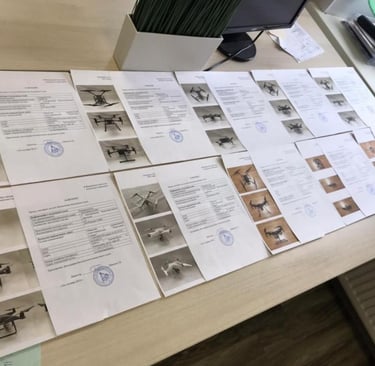
Drone registration is a critical aspect that every pilot must understand to comply with aviation regulations. Different countries impose unique rules governing drone registration, largely based on the weight and intended use of the drone. In general, many jurisdictions require registration for drones that exceed a specific weight threshold, typically around 250 grams (0.55 pounds) for recreational use. This requirement ensures that operators are identifiable and accountable for their flights, which enhances safety in the airspace.
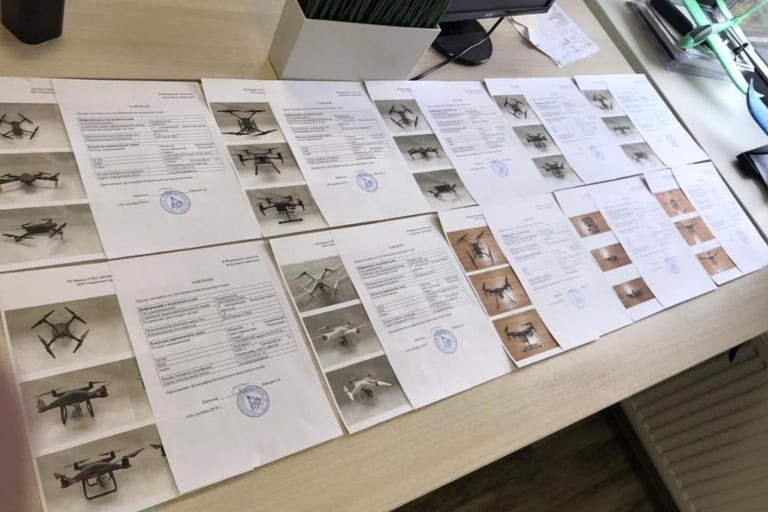
For example, in the United States, the Federal Aviation Administration (FAA) mandates that all drones weighing between 250 grams and 25 kilograms (55 pounds) must be registered. This process involves filling out an online form through the FAA's website and paying a nominal fee. Subsequently, pilots receive a unique registration number that must be displayed on their drone. Similar regulations apply in other countries, but one must refer to local aviation authorities for specific details.
Beyond registration, pilots would often need to meet other prerequisites, which can include completing pilot training courses and passing online safety tests. These protocols aim to equip drone operators with the necessary skills to fly safely and responsibly while understanding the airspace regulations that govern their activities. Furthermore, those intending to use drones for commercial purposes are frequently required to obtain special permissions, such as a Remote Pilot Certificate in the U.S. Additionally, they may need to comply with local laws related to privacy and operational limits.
Compliance with these registration requirements and associated credentials underscores the importance of being an informed drone operator, ultimately contributing to the safety of all airspace users.
Understanding Airspace Regulations
Drone pilots are required to navigate a complex environment of airspace regulations that govern their operations. Understanding these rules is crucial for both compliance and safety in the skies. The Federal Aviation Administration (FAA) categorizes airspace into different classes, each with specific rules and limitations. For instance, Class B airspace surrounds major airports and typically requires special permission for drone flights. Similarly, Class D airspace is associated with smaller airports and also mandates communication with air traffic control (ATC) to ensure safety.
Restricted zones pose additional challenges as they include regions where drone use is often banned due to national security concerns, such as military installations or specific government facilities. Pilots must remain informed about these zones, as flying in restricted areas can lead to significant legal repercussions. Using tools like sectional charts or online resources can help to identify these zones before a flight commences.
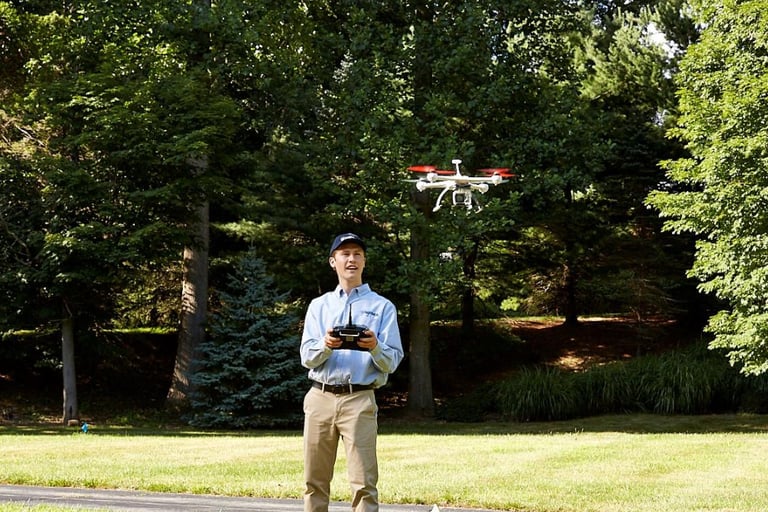
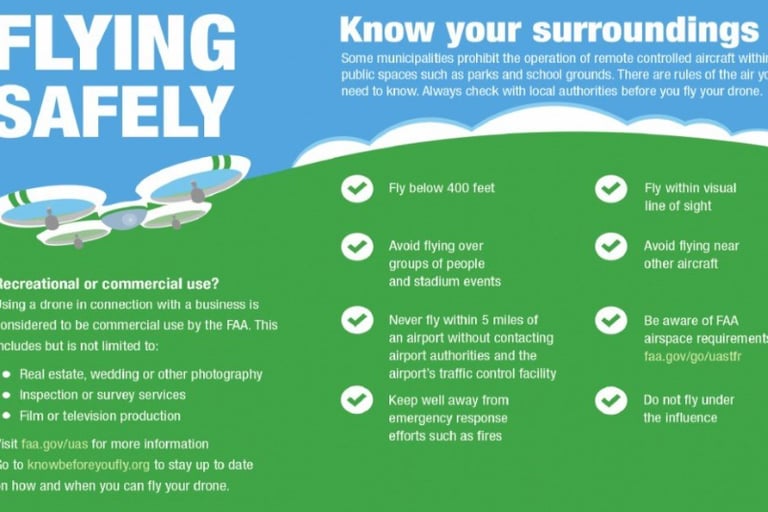
Another critical aspect of airspace regulations is the requirement for drone pilots to maintain a visual line of sight (VLOS) with their aircraft. This rule plays a vital role in ensuring awareness of nearby air traffic and obstacles, thereby reducing risks of collisions. Pilots should develop strategies to keep their drones within sight, such as utilizing observers or establishing clear flight paths that maximize visibility.
Moreover, yielding to manned aircraft is a fundamental tenet of safe drone operation. Pilots must understand that priority is given to traditional aircraft; therefore, they should be adept at recognizing and reacting to their presence. A real-life scenario that exemplifies this is a drone operator encountering an aircraft unexpectedly during a flight in controlled airspace. The need to act quickly and responsibly in such situations reinforces the importance of airspace awareness.
Altitude Restrictions
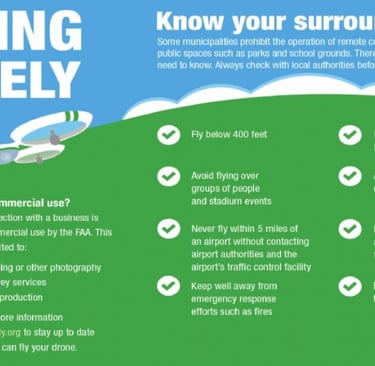
One of the fundamental aspects of drone operations is adherence to altitude restrictions. Generally, drone operators are prohibited from flying their devices above 120 meters, or approximately 400 feet, from the ground. This limitation is not arbitrary; it is enforced primarily to ensure public safety and to minimize risks associated with interference with manned aircraft. As the skies become increasingly crowded, regulations are crafted to protect both drone pilots and other airspace users.
It is essential to understand that altitude limits can vary significantly by region or country. Certain controlled airspaces, such as near airports or urban areas, impose stricter altitude regulations. These variations can depend on factors such as local laws, population density, and types of air traffic that are prevalent in a given area. Consequently, drone pilots must always familiarize themselves with the specific altitude restrictions applicable to their operating zone in order to operate legally and safely.
The rationale behind these altitude restrictions largely revolves around safety concerns. Drones flying at higher altitudes pose risks not only to traditional aircraft, which typically operate below 10,000 feet, but also to people and property on the ground. Violating altitude limits can lead to serious legal repercussions, including fines and potential criminal charges. Furthermore, such violations can jeopardize not only the pilot's standing but also the broader acceptance of drone technology among regulatory bodies and the general public.
To responsibly engage in drone flying, it is crucial to adhere strictly to these altitude regulations. Awareness of the various altitude restrictions not only protects the drone operator but also contributes to a safer airspace for all users. Hence, before takeoff, it is advisable to check local drone laws and restrictions to remain compliant with altitude regulations.
Privacy Considerations when Flying Drones
As the popularity of drones increases, it is crucial for pilots to understand the implications of flying these devices with respect to privacy concerns. Drones have the ability to capture images and video footage from various locations, which raises potential issues related to privacy violations. When operating a drone in residential or commercial areas, pilots should be particularly aware of the unintended consequences that may arise from recording imagery of homes and businesses without consent.
In many regions, laws are in place to protect individuals from unwanted surveillance, affecting how drone pilots conduct their flights. For instance, taking photographs or videos of private property can lead to legal repercussions if the subjects of these captures have not provided their explicit consent. Therefore, drone operators must exercise caution while operating their vehicles around populated areas to prevent infringing on the privacy rights of others.
Moreover, ethical considerations should guide drone pilots’ actions during flights. Understanding the potential impact of capturing personal imagery can foster a culture of responsibility among drone enthusiasts. Pilots should reflect on whether their aerial photography could encroach on someone’s sense of privacy, as individuals may feel uncomfortable knowing they are being recorded.
To avoid infringing on privacy rights, drone pilots are advised to familiarize themselves with local regulations. Some jurisdictions may have specific laws regulating drone usage near private properties, and compliance with these guidelines is essential. Furthermore, maintaining a respectful distance when flying near residences and commercial establishments, as well as gaining permissions when necessary, can enhance ethical drone practices.
Pre-Flight Safety Checks
Before embarking on any drone flight, it is paramount for pilots to conduct comprehensive pre-flight safety checks. This practice not only enhances personal safety but also ensures compliance with prevailing drone laws and regulations. A systematic approach to evaluating critical elements can safeguard against potential mishaps during flight operations.
One of the first aspects to consider is the weather conditions. Pilots should carefully assess the weather forecast to identify wind speed, precipitation, and visibility. Flying in adverse weather can lead to loss of control and unforeseen hazards. Therefore, being well-informed regarding local weather patterns is essential for safe drone operation.
In addition, battery levels must be evaluated. Ensuring that your drone's battery is sufficiently charged is crucial to prevent mid-flight power loss. A simple checklist that includes a battery inspection can help verify that the drone can complete its intended mission without interruptions.
Another essential pre-flight check involves GPS functionality. Pilots should confirm that the GPS system is operational and receiving adequate signals. This ensures that the drone maintains accurate positioning and can effectively utilize features such as return-to-home (RTH) settings, which are vital for safe recovery of the aircraft in the event of signal loss or low battery.
Moreover, an inspection of the propellers is necessary. Pilots should examine the propeller blades for any signs of damage, such as cracks or chips. Intact propellers are pivotal in maintaining stability and performance during flight. If any issues are discovered, replacing the propellers prior to flight is mandatory.
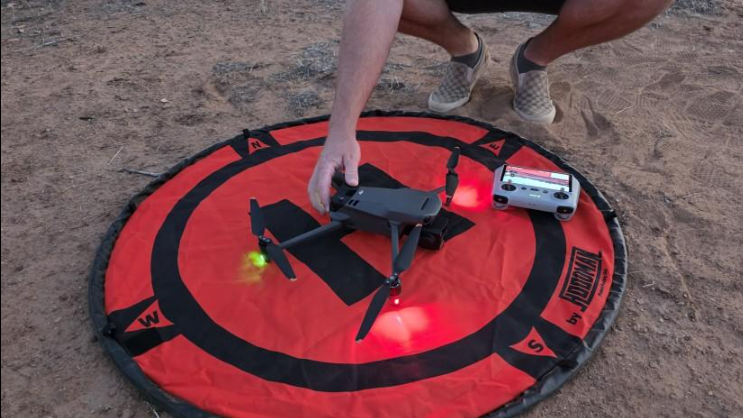
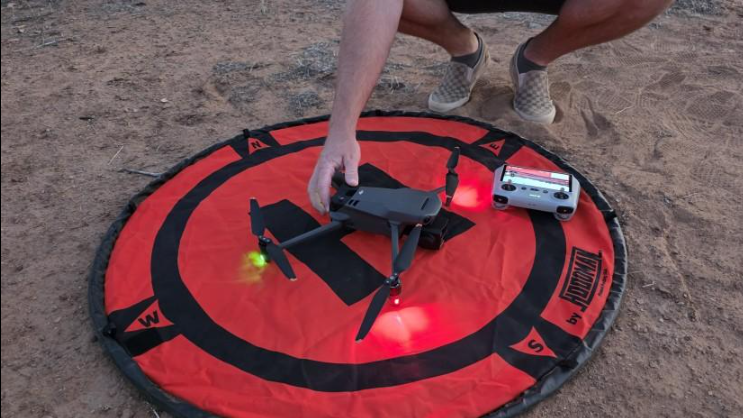
Finally, confirming the return-to-home settings is critical. Pilots should ensure that the RTH function is appropriately configured; it will guide the drone back to its launch point safely in the face of unforeseen circumstances. By adhering to this pre-flight safety checklist, pilots can significantly enhance both the safety and compliance of their drone operations.
The Future of Drone Regulations and Safety
The drone industry is witnessing rapid advancements, which subsequently influence the regulatory landscape significantly. As technology evolves, so too do the laws governing drone operations, with an emphasis on enhancing safety. The transition towards more sophisticated drone systems, including autonomous flight and artificial intelligence, necessitates a reevaluation of existing regulations. Lawmakers and aviation authorities are continually challenged to craft legislation that reflects these advancements while ensuring public safety and environmental protection.
It is imperative for drone pilots to engage in ongoing education to remain compliant with changing regulations. As the Federal Aviation Administration (FAA) and other governmental bodies update policies to accommodate issues such as airspace management, safety protocols, and privacy concerns, pilots must stay informed. This ongoing education can enhance a pilot's understanding of operational best practices and legal obligations, reducing the risk of penalties or accidents. Regularly reviewing pilot resources, attending workshops, and participating in online forums are practical approaches to ensure that one remains in compliance with current laws.
Moreover, responsible flying practices play a crucial role in advancing the drone industry's reputation and fostering supportive regulations. Pilots who demonstrate accountability and uphold the highest standards of safety contribute positively to public perception and governmental advocacy for the drone community. By engaging with fellow pilots and policymakers, they can help shape future regulations that reflect the consensus and needs of the industry. The dialogue surrounding drone legislation is ongoing, and pilots are encouraged to be active participants in this critical conversation, advocating for realistic and beneficial laws that facilitate innovation while prioritizing safety.
Social Media
Contact
Newsletter
+86 156 8454 3412
© 2026. All rights reserved.