
Confirming GPS Signal and Return-To-Home Settings Before Flying Your Drone
Learn why checking GPS signal and Return-To-Home settings before flying a drone is important. This guide covers GPS connection, home point setup, RTH altitude, and essential safety steps to help pilots fly with confidence.
7/14/20268 min read
Introduction: The Importance of Pre-Flight Checks
Before flying a drone, it is essential to perform a series of pre-flight checks, most notably confirming the Global Positioning System (GPS) signal and reviewing the return-to-home (RTH) settings. These preliminary tasks are critical for ensuring the stability and accuracy of the flight, as well as safeguarding the drone and its surroundings.
The GPS signal is the cornerstone of a drone's operation. It provides crucial data regarding the drone's location in relation to the ground and assists in navigation, maintaining altitude, and executing programmed flight paths. A strong and reliable GPS signal bolsters the drone's ability to maintain its position, particularly during adverse conditions or when facing potential interference. As such, verifying GPS connectivity should be one of the first steps taken before taking to the skies.
Equally important is the return-to-home (RTH) feature, a critical safety mechanism found in most modern drones. This functionality allows the drone to autonomously return to its take-off point in the event of low battery, loss of signal, or other emergencies. Ensuring that the RTH settings are properly configured is vital. It is imperative that the home point is accurately set before the flight commences, allowing for a seamless automated return if circumstances necessitate it. Misconfigured RTH settings not only jeopardize the safety of the drone but could also lead to unintended consequences, such as crashes or permanent loss of the unit.
In light of these factors, thorough pre-flight checks regarding GPS signal and RTH system configurations are not only advisable but essential. They lay the groundwork for a successful flight, helping drone operators to navigate the skies with confidence and peace of mind. As we delve deeper into pre-flight procedures, understanding the significance of these checks will further illuminate their role in enhancing flight safety and operational integrity.
Understanding GPS Signals and Their Role in Drone Flight
Global Positioning System (GPS) technology plays a pivotal role in the operation and performance of drones. By utilizing satellite signals, GPS helps determine a drone's precise location, which is crucial for flight stability and navigation. When a drone has a strong GPS signal, it can effectively maintain its position and altitude, allowing for smoother flight operations.
One of the primary functions of GPS in drone navigation is enabling the maintenance of a stable hover. A reliable GPS lock ensures that the drone can actively counteract external forces such as wind or thermal currents, holding its position steadily. This is particularly important during tasks requiring precision, such as aerial surveys or photography, where even slight deviations can result in inaccurate data collection or unintended movements.
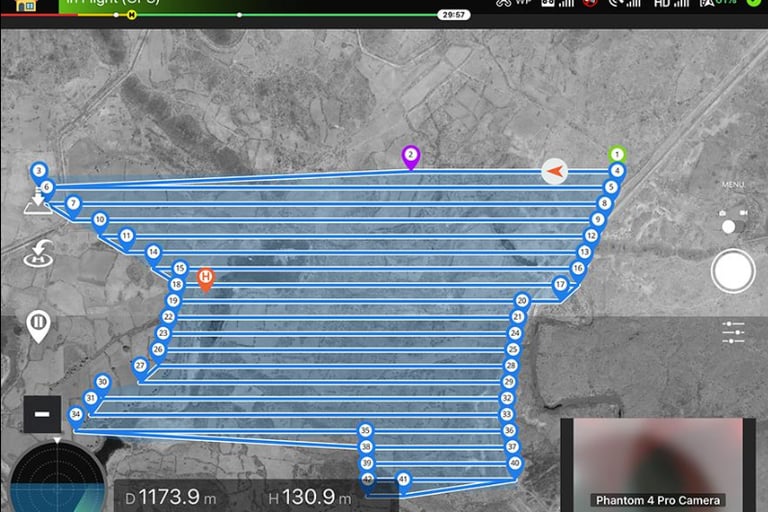
In addition to maintaining a stable hover, GPS is fundamental in enabling drones to follow predetermined flight paths with accuracy. The system facilitates automated flying routines, allowing pilots to focus on data gathering or monitoring without constant manual adjustments. With a robust GPS signal, drones can execute complex maneuvers and return to specific waypoints seamlessly. Conversely, inadequate GPS reception can lead to erratic flight behavior, jeopardizing both the safety of the drone and surrounding objects.
Moreover, flying with poor GPS reception can have severe consequences. A lack of a robust GPS signal increases the risk of losing control over the device, making it prone to drifting or even crashing. Thus, prior to any flight, it is imperative to confirm that the drone has established a reliable GPS lock, ensuring safe operation and compliance with necessary flight regulations. In conclusion, understanding the intricacies of GPS functions and their impact on drone flight is essential for both novice and experienced pilots alike.
Performing a GPS Signal Check Before Takeoff
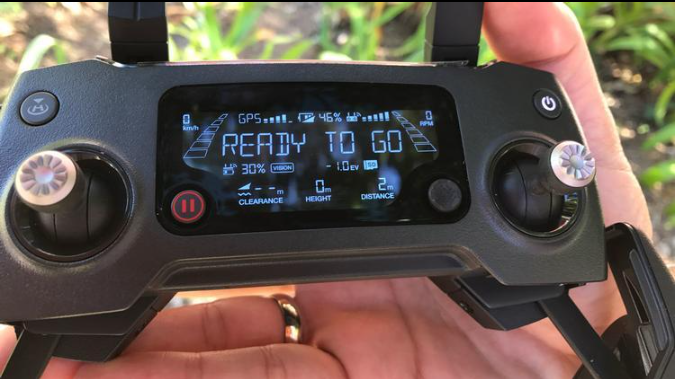
Before flying your drone, it is essential to perform a GPS signal check to ensure safe and effective navigation. A reliable GPS connection is critical for your drone to function properly, especially for features like return-to-home. Begin your check by powering on your drone and allowing it a few moments to establish satellite connectivity. Most drones require a minimum of four to six satellites for a stable GPS lock; however, the more satellites connected, the better the positioning accuracy.
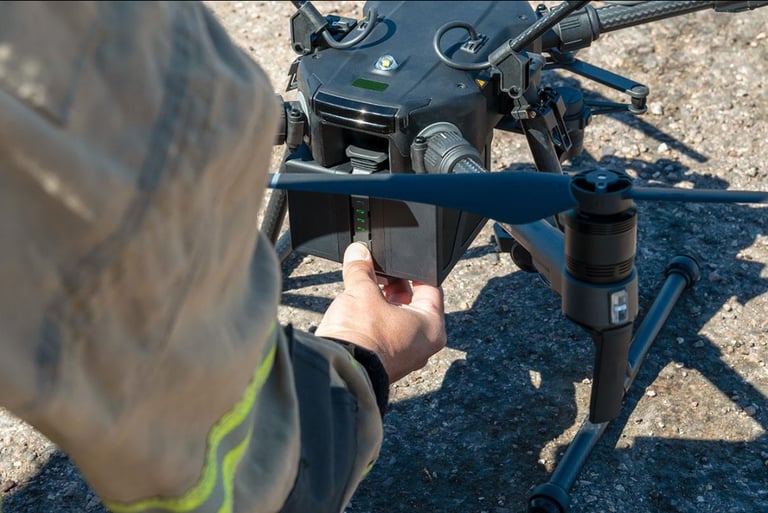
Observe your drone's status indicators which may be visual or audible cues to confirm the GPS status. On many models, you will find LED lights that signify satellite connection - a steady green usually indicates a strong GPS signal, while flashing lights may suggest that the drone is still locking onto satellites. Some drones might also emit beeps or display messages on the screen to communicate their GPS readiness.
It's prudent to wait for a stable GPS lock before taking off; losing GPS signal mid-flight can lead to erratic drone behavior and potential accidents. As a rule of thumb, wait for at least two to five minutes after powering up your drone in a clear area free from interference. If you are in an environment that poses challenges for GPS signal strength, like urban areas or locations surrounded by large buildings or trees, consider relocating to an open space. These locations often cause multipath errors where signals bounce off obstacles, leading to inaccurate readings.
In summary, performing a thorough GPS signal check is a fundamental pre-flight procedure that enhances flight safety and efficiency. Prioritizing a stable GPS connection not only improves drone performance but also minimizes risks associated with flying in less than ideal conditions.
The Return-To-Home Feature: What You Need to Know
The Return-To-Home (RTH) feature is a critical safety mechanism integrated into modern drones, designed to ensure their safe return when certain conditions arise. This functionality is particularly essential for novice and experienced pilots alike, as it provides peace of mind and adds an additional layer of security during flight.
One of the primary triggers for RTH activation is the drone's battery level. Most drones are equipped with intelligent battery management systems that automatically calculate the remaining power based on current usage and estimated return distance. When the battery level drops to a preset threshold, the drone will initiate the RTH process to return safely to its home point, preventing potential crashes or loss of the drone due to insufficient battery power.
Another common scenario that activates the RTH feature is the loss of signal between the drone and the remote controller. Drones rely on a stable connection to receive real-time commands and maintain control. If the connection is disrupted for a defined period, the RTH feature takes over, and the drone will autonomously navigate back to the established home point. This safeguard is vital for preventing loss or damage, especially in challenging environments where signal interference is likely.
Setting the correct home point is an essential aspect of utilizing the RTH functionality effectively. The home point represents the location where the drone will return in case of RTH activation. Pilots must ensure they have accurately designated this point before takeoff, preferably at the launch location, to avoid complications during the return journey. Failure to set the home point correctly can lead to undesired landings in unsafe areas, making pre-flight checks and setup crucial.
Setting and Verifying the Home Point
Before undertaking a drone flight, it is vital to establish and verify the home point, which is the location from where the drone will launch and return. This setting serves as a critical reference point for the drone's Return-to-Home (RTH) functionality, ensuring that it can safely navigate back to this designated area in case of signal loss or low battery conditions. Selecting an appropriate home point is crucial for maximizing safety and minimizing the risk of accidents.
To set the home point accurately, ensure that the area you choose is safe for takeoff. This includes checking for nearby obstacles, such as trees, buildings, or powerlines, which can interfere with the drone’s flight path. Ideally, the home point should be located in a spacious, open area that allows for unobstructed ascent. Additionally, it is recommended to select a familiar location where retrieval of the drone can be easily executed after the flight.
It is also important to verify that the home point is updated, particularly if you have recently repositioned the drone or if you are flying in a different location. Most drones have a GPS feature that automatically sets the home point based on the launch location, but this may not always be reliable if the GPS signal is weak. Therefore, double-check that the indicated home point corresponds with the actual takeoff location on your drone's navigation screen.
Furthermore, users can enhance the safety of their flight by utilizing their drone's features to re-confirm the home point settings before the flight begins. Regularly updating this information as flight conditions change will help ensure the drone can return effectively during emergencies. By taking these precautions, you not only ensure a more successful flight but also a safer one for both the drone and its surroundings.
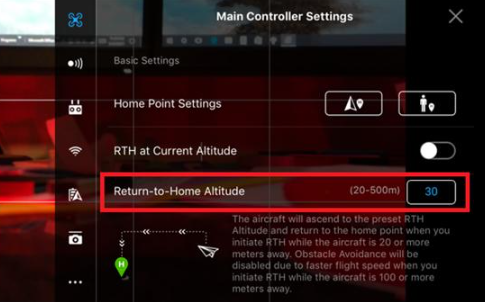
Configuring the Return Altitude for Safe Operations
One of the fundamental steps in ensuring the safe operation of a drone is configuring its Return-To-Home (RTH) feature, specifically setting the appropriate return altitude. This process involves selecting an altitude that accounts for potential obstacles in the drone's flight path, such as trees, buildings, and power lines. Failure to set this altitude correctly can result in collisions, causing damage or even loss of the drone.
When determining the return altitude, the operator should first assess the location where the drone will be flown. For instance, in urban environments, it is crucial to choose a return altitude that exceeds the height of the tallest nearby structures. Conversely, in rural areas, while natural obstacles may be fewer, it is still paramount to evaluate the terrain for any hills or trees that could pose a risk. As a general guideline, setting the return altitude at least 30 meters (approximately 100 feet) above any potential obstacles is recommended to provide a margin for error.
In addition, environmental factors and changing conditions should be considered. For example, in windy conditions, a higher return altitude may be necessary to account for any drift that could occur as the drone attempts to return home. Regular evaluation of local regulations regarding altitude limits for drone operations is also crucial, as these can differ by region and could impact the chosen return altitude.
Overall, careful planning in configuring the return altitude markedly enhances safety during drone operations. By setting the RTH altitude thoughtfully and consistently adjusting it based on the flying environment, operators can mitigate risks associated with collisions and ensure a safe return of their drones.
Best Practices for Drone Flight Safety
Ensuring the safety of drone operations is paramount for both the drone operator and surrounding individuals or property. One of the fundamental best practices involves maintaining constant vigilance during the flight. Even when a drone is equipped with advanced features such as GPS signal confirmation and automated Return-To-Home settings, human oversight remains essential to mitigate risks. Pilots should stay engaged and monitor the drone's position and status throughout the entire flight.
Furthermore, it is critical to keep a close eye on battery levels. Drones can rapidly deplete their power during extended flights, so ensuring adequate charge before takeoff cannot be overstated. Setting alarms or alerts for low battery levels can provide operators with crucial time to safely return the drone to put it down timely and avoid accidents. Flight plans should account for battery usage based on distance and altitude to help predict flight times accurately.
Another significant factor influencing drone flight safety is weather conditions. Wind, rain, fog, and other adverse weather conditions can affect the drone's performance and stability. Before launching, operators should check the weather forecast and avoid flying during unfavorable conditions. Drones are also sensitive to extreme temperatures, which can impact battery life and functionality. Adequate research and preparation regarding weather patterns ensure pilots make informed decisions when planning their flights.
Finally, while relying on automated features like GPS assistance and Return-To-Home functions enhances the flying experience, it is important not to become entirely dependent on them. Automated systems can fail, necessitating a proactive approach to ensure a safe flying environment. By combining vigilant monitoring with weather awareness and battery management, drone operators can enjoy a safer flying experience.
Social Media
Contact
Newsletter
+856 20 97 510 070
© 2026. All rights reserved.