

The Importance of Checking Local Drone Laws and Flight Zones Before Flying
Discover why every drone pilot should check local drone laws and flight zones before takeoff. Learn about airspace restrictions, no-fly zones, safety rules, and legal requirements for responsible drone flying.
7/14/20268 min read
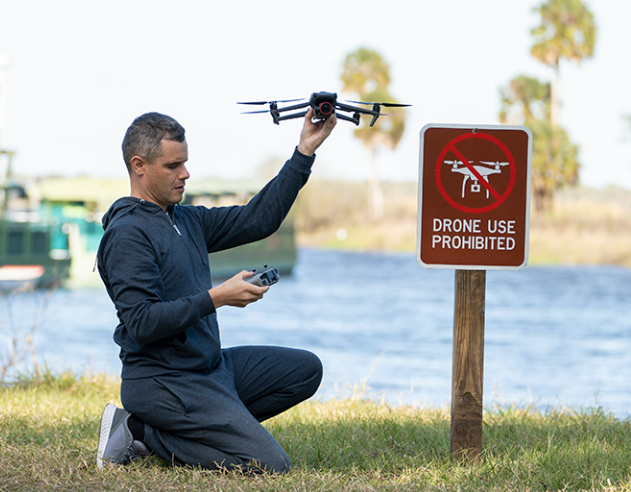
Introduction to Drone Regulations
The rapid growth of drone technology has transformed various sectors, from photography to agriculture, offering innovative solutions and new opportunities. However, with this advancement comes the necessity for strict regulations. Drone regulations are designed to ensure safe and responsible operation while minimizing risks to public safety and privacy. Therefore, it is indispensable for every drone pilot to understand and adhere to local laws prior to taking flight.
Understanding drone laws is crucial to ensuring that operators are equipped with the knowledge necessary to fly safely. Local regulations often govern where and when drones can be flown, as well as altitudes, no-fly zones, and air traffic control protocols. Furthermore, these laws can vary significantly from one region to another, detailing different requirements based on land use, population density, and specific local concerns. Pilots should familiarize themselves with these regulations to avoid potential conflicts and to contribute to the overall safety of the airspace.
Ignoring drone regulations can lead to severe legal consequences, including fines or even criminal charges, depending on the severity of the violation. For instance, unauthorized flights in restricted airspace can pose a significant threat to manned aircraft and lead to potential accidents. Additionally, failure to adhere to privacy laws may result in civil lawsuits from individuals who feel their privacy has been violated. Thus, understanding local drone laws is not only a matter of compliance but is also crucial for promoting safe and respectful drone operations.
In conclusion, being informed about local drone regulations plays a vital role in responsible flying. Each operator has the responsibility to check current laws and flight zones, ensuring their activities do not infringe on safety or legal boundaries. By doing so, drone pilots contribute to a safer environment for both themselves and the communities in which they operate.
Understanding National and Local Regulations
In the realm of drone operation, it is vital for pilots to recognize the regulations governing their activities, both on a national and local scale. At the national level, aviation authorities, such as the Federal Aviation Administration (FAA) in the United States, establish comprehensive rules and guidelines that apply across the country. These regulations typically address various aspects of drone operation, including registration requirements, flight altitude limits, safety protocols, and operational procedures that must be adhered to by all drone users.
However, it is crucial to understand that while national regulations create a foundation for safe drone use, local jurisdictions can impose additional rules that may differ significantly from those at the federal level. For instance, certain cities or states may have set specific flight zones where drone use is prohibited, such as near schools, government buildings, or densely populated areas. These local laws can vary not only between different states but also between municipalities, meaning that what is permissible in one area may not be in another.
Moreover, local regulations might dictate requirements for obtaining permits or permissions before conducting aerial operations, particularly for commercial drone activities. Failing to comply with local laws can result in fines or legal action against the operator. Therefore, it becomes essential for drone pilots to conduct thorough research on applicable rules before takeoff. Engaging with local government resources, such as municipal websites or drone advocacy groups, can provide clarity on restrictions and responsibilities specific to the area of operation.
The interplay between national and local regulations underscores the necessity for drone users to stay informed and vigilant. By understanding both tiers of governance, operators can promote safety and compliance, thus ensuring responsible drone operation while enjoying the benefits of this technology.
The Role of Official Aviation Authorities
Official aviation authorities play a vital role in the regulation of drone flights. These organizations are responsible for establishing the rules and guidelines that govern the safe operation of unmanned aerial vehicles (UAVs). By doing so, they ensure not only the safety of drone operators but also the public and the airspace as a whole. Each country typically has its own regulatory body, such as the Federal Aviation Administration (FAA) in the United States or the European Union Aviation Safety Agency (EASA) in Europe, which oversee drone operations and enforce compliance with aviation laws.
One of the primary responsibilities of these authorities is the registration of drones. In several jurisdictions, all drones above a certain weight must be registered to promote accountability among users. Official aviation authorities provide clear guidelines on how to register a drone, detailing the necessary steps and requirements. Failure to adhere to these registration protocols may result in penalties, underscoring the importance of compliance.
Additionally, aviation bodies are instrumental in setting educational and proficiency standards for drone pilots. Various training programs and certifications are often mandated for individuals seeking to operate drones commercially. These training initiatives are designed to equip pilots with the necessary skills and knowledge to navigate airspace safely, further enhancing overall safety. Therefore, drone operators should consult the relevant aviation authority websites to find information on mandatory training programs, ensuring they meet the required standards before engaging in commercial flight.
Furthermore, these authorities regularly update information regarding no-fly zones and airspace restrictions. Pilots must remain informed about these regulations to avoid potential legal issues or safety hazards. Checking the official aviation authority's website is essential for obtaining current information on designated flight zones, allowing drone operators to plan their activities accordingly. By engaging with these regulatory organizations, drone pilots can ensure regulatory compliance while maintaining safe flying practices.
Identifying Restricted Flight Zones
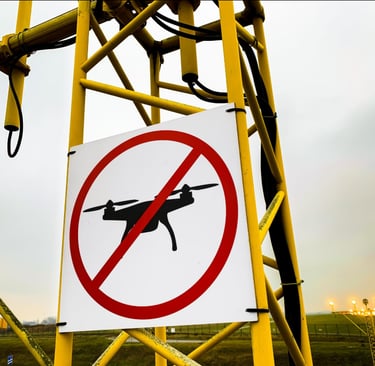
Understanding restricted flight zones is essential for any drone operator to ensure compliance with local laws and to promote public safety. There are several common areas where drone flying is prohibited, primarily due to the potential risks associated with operating unmanned aerial vehicles in these locations. Airports are one of the most regulated areas; drones flying in proximity to runways can interfere with manned aircraft, creating severe safety hazards. The Federal Aviation Administration (FAA) and similar regulatory bodies have established no-fly zones around airports to prevent any such risks, which may avert possible accidents.
Another significant restricted zone is near military bases. Flight operations around these facilities are tightly controlled to safeguard sensitive information and national security. Drones could inadvertently capture imagery that may be classified or pose risks to military operations, thus leading to bans within certain airspace. Failure to adhere to these regulations may result in legal consequences or even jeopardize national security.
Emergency scenes represent yet another critical area for drone prohibition. First responders require unfettered access to emergencies such as natural disasters, fires, or accidents. Drones can obstruct emergency response operations, interfere with rescue efforts, or create risks for both personnel and people affected by the emergency. As such, local authorities often impose temporary flight restrictions around these events to ensure public safety and effective emergency management.
It is also crucial to consider the implications of recreational drone flying in urban areas. Many cities have ordinances that limit drone flight over populated regions, primarily to prevent accidents and ensure the safety of civilians. Drone operators must remain vigilant about these laws to avoid serious repercussions and contribute to a responsible drone-flying culture.
Utilizing Drone Maps and Flight Planning Apps
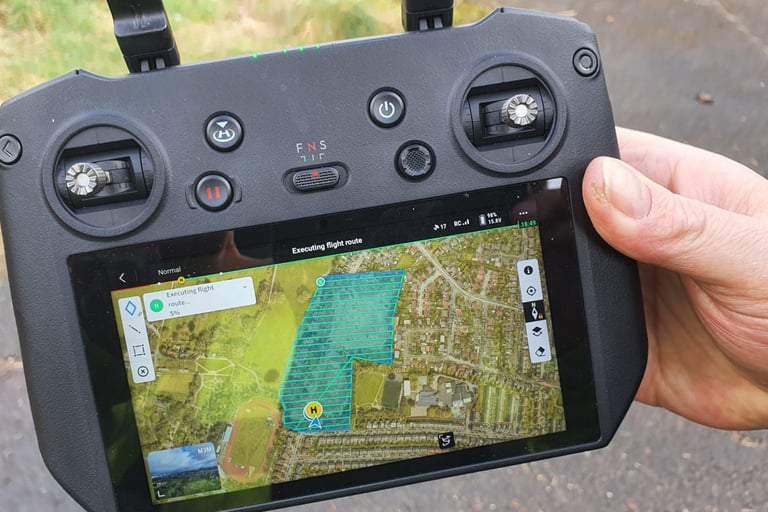
In the rapidly evolving world of drone technology, ensuring compliance with local regulations is paramount for safe and responsible flight. One of the most effective ways to assess the flying environment is through the use of drone maps and flight planning applications. These tools are designed to provide essential information about airspace restrictions, flight zones, and other pertinent factors affecting drone pilots.
Drone maps often feature real-time updates on airspace classifications, indicating whether an area is suitable for unmanned aerial vehicle (UAV) operations. For instance, many of these maps will highlight restricted zones such as airports, military bases, and other sensitive areas where flying is either limited or entirely prohibited. This capability allows drone operators to plan their flights more effectively and avoid potential legal repercussions.
In addition to identifying restricted areas, flight planning apps typically provide information on altitude limits within specific zones. Understanding the maximum allowable altitude is crucial, as violating these limits can pose risks to both the pilot and other airspace users. Many applications also integrate government regulations, allowing users to determine if they require authorization to operate in certain locations, such as controlled airspace.
Additionally, some of these tools come equipped with features like weather forecasts and wind patterns, which are vital for planning safe drone flights. By incorporating these factors into their flight plans, pilots can enhance both the safety and effectiveness of their operations. Furthermore, some apps also provide detailed route mapping capabilities, enabling pilots to plot out their paths while avoiding obstacles and adhering to local laws.
In essence, utilizing drone maps and flight planning applications is not just about convenience; it is about ensuring a responsible approach to drone piloting. These resources empower operators to make informed decisions and ultimately contribute to the safety of the airspace they are navigating.
Respecting Privacy and Personal Property
When operating a drone, it is crucial to consider the implications regarding privacy and personal property. Drones have become increasingly popular, providing users with the ability to capture stunning aerial photography and videography. However, this capability comes with a responsibility to respect the privacy of individuals and the sanctity of private property.
In many jurisdictions, there are specific privacy laws that govern the use of drones. These laws often stipulate that obtaining consent is necessary before capturing images or videos of individuals, buildings, or private spaces. This is particularly important in residential areas where individuals expect a reasonable amount of privacy. Whether legally allowed to fly in a designated airspace, drone operators must remain conscientious of their ethical obligation to seek permission before recording anyone who may be within the frame of the aircraft's camera.
Moreover, there is an expectation of privacy in one’s own home and surrounding property. Flying a drone over private land without permission can lead to legal complications. A breach of privacy may not only undermine trust within the community but can also result in civil lawsuits or even criminal charges in certain situations. It is advisable for drone operators to familiarize themselves with their local laws regarding privacy to avoid potential infractions.
Additionally, beyond the legalities, fostering a respectful relationship with the community is paramount for drone enthusiasts. Being proactive in seeking consent, when necessary, demonstrates an understanding and appreciation for personal boundaries. This approach can also promote goodwill, paving the way for a more harmonious coexistence between drone pilots and the communities in which they operate.
Conclusion: The Responsibility of Drone Pilots
In the rapidly evolving world of aerial technology, the responsibility of drone pilots cannot be overstated. Understanding the local drone laws and specific flight zones is crucial in ensuring that operations are conducted safely and within legal parameters. This awareness not only protects the rights of individual pilots but also promotes a culture of responsible and respectful drone use within communities.
The key points discussed highlight the importance of thoroughly researching and familiarizing oneself with regulations that govern drone flight in various regions. Local regulations may include restrictions based on proximity to hospitals, schools, or airports, as well as restrictions pertaining to height and time of flight. By adhering to these guidelines, drone pilots can avoid legal consequences that may arise from unauthorized flights, thereby securing their flying privileges.
Furthermore, staying informed about evolving drone regulations contributes to the safe integration of drones into societal frameworks. As the technology advances and drone popularity increases, it becomes imperative for pilots to remain proactive in their understanding of new laws and amendments. This diligence helps foster a safe environment for both drone enthusiasts and the general public.
In summary, the responsibility of complying with local drone laws rests on the shoulders of every pilot. It is vital to make it a priority to check regulations before taking to the skies. Doing so not only enhances personal accountability but also plays a significant role in shaping a positive perception of drone operations in society at large. Through responsible use and adherence to the law, drone pilots can enjoy their hobby while contributing to an ecosystem that respects safety and community well-being.
Social Media
Contact
Newsletter
+86 156 8454 3412
© 2026. All rights reserved.