
Top Drone Features to Look for Before You Buy
Buying a drone is an exciting investment, but choosing the right one can be challenging with so many models available. Understanding the most important features before making a purchase will help you select a drone that matches your needs, budget, and flying experience.
7/14/20268 min read
Understanding Your Needs
Before making a decision on purchasing a drone, it is imperative to first assess your individual needs and the primary purpose for which you intend to use the device. Drones can serve a multitude of purposes; therefore, having a clear understanding of what you want to achieve will significantly influence your purchasing decisions. For instance, if your primary interest lies in recreational flying, you may prioritize different features compared to someone who is interested in professional photography or videography.
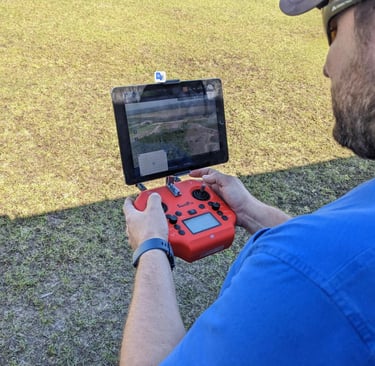
In the context of recreational flying, users generally look for models that are user-friendly, lightweight, and have decent flight times. Features such as Altitude Hold, One-Key Takeoff and Landing, as well as simple remote controls can be particularly appealing. These added functionalities make the flying experience more enjoyable, especially for beginners or casual hobbyists.
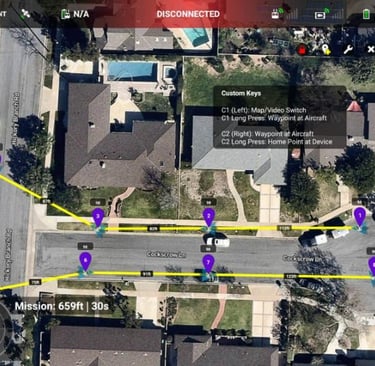
On the other hand, if your primary use case involves aerial photography or videography, you will need to consider drones equipped with high-resolution cameras. The importance of features such as camera quality, stabilization systems, and gimbal technologies can't be overstated in this scenario. These features enhance the quality of aerial footage, making your investment worthwhile. Additionally, look for advanced functionalities like GPS positioning, waypoint navigation, and longer battery life to optimize your shooting experience.
For those whose interest lies in surveying or mapping, drones with specialized features such as thermal imaging cameras, extensive flight planning capabilities, and high endurance flights become essential. Such functions enable precision in data collection and analysis, which is pivotal for professional applications in sectors like agriculture or construction.
In conclusion, understanding your needs not only narrows down your options but also ensures that you select a drone tailored to your specific requirements. This tailored approach will ultimately enhance your experience and maximize the potential of your drone.
Camera Quality and Specifications
When selecting a drone, one of the most critical features to evaluate is its camera quality. For enthusiasts and professionals who prioritize capturing high-resolution images or recording high-quality videos, understanding the camera specifications is paramount. The resolution of the camera plays a significant role, as a higher pixel count allows for clearer, more detailed images. Generally, drones with at least a 12MP camera are ideal for most photography needs, while those seeking professional-grade results may look for models boasting resolutions exceeding 20MP.
In addition to resolution, the frame rate at which a drone records video is essential. A higher frame rate—typically 30fps or more—is vital for smooth videos, particularly when shooting fast-moving subjects or during dynamic activities. Some drones offer the capability to shoot in 4K, which is becoming the norm for high-quality videography. This resolution not only enhances the viewing experience but also affords greater flexibility during post-editing, as footage can be cropped or stabilized without losing quality.
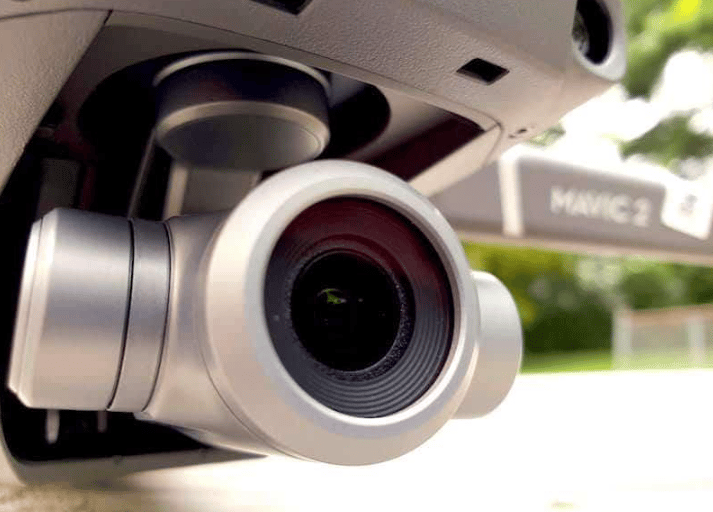
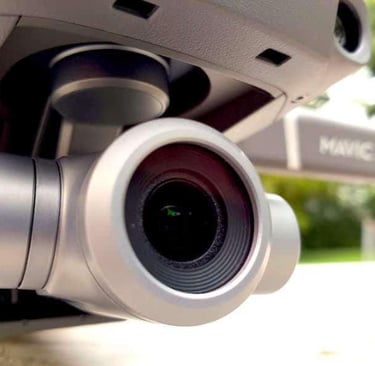
Another important camera specification to consider is stability. A drone equipped with a 3-axis gimbal stabilizer is highly recommended for professional creators, as it ensures smoother video content by compensating for any camera movements during flight. This feature is particularly useful in challenging environments where wind or sudden movements can lead to shaky footage. Comparatively, drones with fixed camera mounts may not provide the same level of image stability, which can detract from the overall quality of the footage.
Overall, understanding these camera specifications—resolution, frame rate, and stabilization features—will assist potential buyers in choosing a drone that meets their photography or videography needs, elevating their creative projects to new heights.
Battery Life and Flight Time
Battery life is a critical factor in the performance of drones, directly affecting your ability to capture stunning aerial imagery and video footage. The average battery life of consumer drones typically ranges from 20 to 30 minutes per flight, although this can vary significantly based on the drone's design, usage, and flying conditions. Drones equipped with higher capacity batteries may offer extended flight times, making them a preferred choice for enthusiasts and professionals who require longer operational periods.
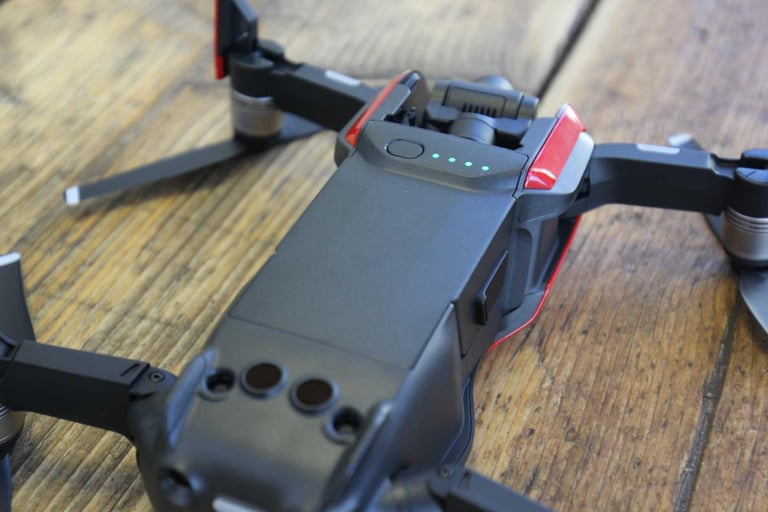
One important aspect to consider is the impact of carrying extra batteries. Investing in additional batteries can substantially increase your overall flight time, allowing you to execute more complex shots or complete longer missions without the need for frequent recharges. Additionally, some drones come with intelligent battery management systems that optimize battery use and extend its lifespan, ensuring you get the most out of each charge.
For optimal battery usage, it is advisable to adopt certain strategies. First, always monitor battery levels during flight and heed any warnings the drone provides. Furthermore, flying in favorable weather conditions can maximize battery performance; for instance, avoiding strong winds can help maintain flight stability and conserve battery life. Refraining from aggressive maneuvers also aids in extending flight time, as smoother operations put less strain on the battery. Keeping the drone's firmware up to date can improve efficiency and battery management.
Ultimately, longer flight times enhance the potential for capturing remarkable photography and videography from the sky. By understanding battery specifications and implementing effective usage practices, you can ensure that your drone flights are both efficient and productive.
Range, Connectivity, and Safety Features
When considering a drone for purchase, understanding its range and connectivity capabilities is essential for enhancing your flying experience. The range of a drone refers to the maximum distance it can travel from its remote control or transmitter while maintaining a stable connection. A greater range not only allows for more diverse shooting locations but also enables the pilot to explore wider terrains without compromising control. For various applications, such as aerial photography or surveying, a drone that can operate over a larger distance can significantly expand creative possibilities.
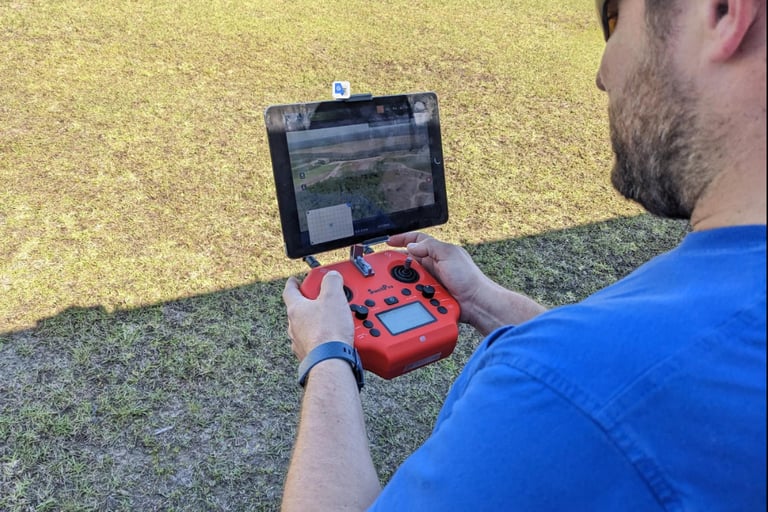
Connectivity strength is equally important as it directly influences the stability of the drone's operations. Drones typically utilize radio frequencies or Wi-Fi technologies to communicate with their controllers. A robust connectivity capability ensures that real-time video feeds and telemetry data are transmitted without interruptions. This capability is particularly vital during critical drone maneuvers, as signal loss or interference can lead to operational challenges, including loss of control or failure to execute planned aerial maneuvers effectively.
Moreover, integrating safety features into the drone's design is imperative for both novice and seasoned UAV pilots. Essential safety features include GPS for precise navigation, obstacle avoidance sensors to prevent collisions, and the return-to-home function, which automatically brings the drone back to its takeoff point in case of low battery or signal loss. These technologies not only enhance the safety of the flying experience but also alleviate some of the stress associated with piloting drones in complex environments.
Considering these factors when selecting a drone can significantly improve your operational experiences, ensuring enjoyable flights while prioritizing safety at all times. Ultimately, understanding the balance of range, connectivity strength, and integrated safety features will guide you in making an informed decision suited to your specific UAV needs.
Portability and Design Considerations
For travelers and outdoor enthusiasts, the portability of a drone is a critical factor to consider before making a purchase. Drones designed with portability in mind typically offer significant advantages, primarily through their lightweight and compact designs. These features allow for more convenient transportation, making it easier for individuals to bring their drones on various adventures without the hassle of excess baggage.
One of the foremost aspects to evaluate in terms of design is the size of the drone when it is in its unfolded state as well as its compactness when folded. Many manufacturers are now creating drones that can be easily folded down to be smaller than a traditional backpack, thus enhancing their portability. For example, a drone that weighs less than two kilograms and can be folded can be effortlessly carried during hikes, while also being less cumbersome during travel.
Additionally, the material used in the construction of the drone also plays an essential role in its portability. Lightweight materials such as carbon fiber or high-strength plastics are often utilized in high-quality drones, reducing the overall weight without sacrificing durability. This ensures that the drone is both manageable and resilient, even after repeated transport.
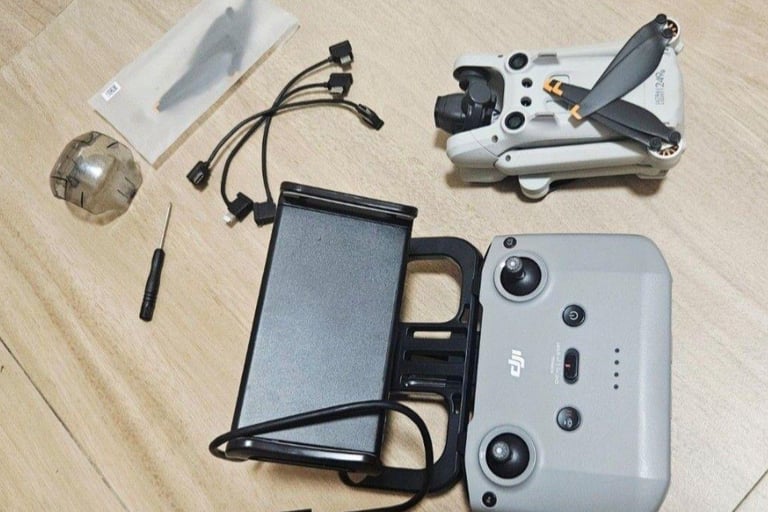
Moreover, having a drone that features an ergonomic design can contribute to ease of use and assembly during your travels. Quick-release mechanisms for propellers and easy-to-navigate controls facilitate a smoother experience, allowing users to spend less time setting up and more time enjoying their surroundings.
Ultimately, the significance of portability and design cannot be overstated for those planning to incorporate their drones into travel itineraries. Drones that emphasize these qualities not only enhance user experience but also promote a more enjoyable adventure.
Smart Features and App Usability
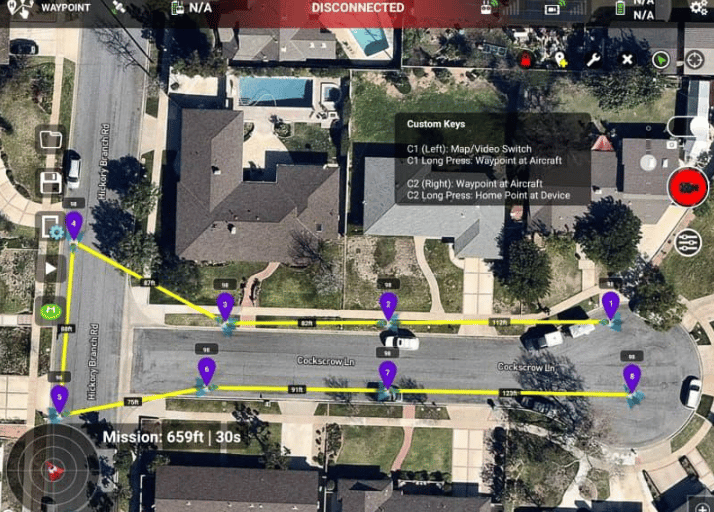
When considering the purchase of a drone, it's essential to evaluate the smart features available, as well as the usability of accompanying mobile applications. Drones equipped with advanced functionalities, such as automated flight modes, significantly enhance the flying experience, especially for novice users. These automated modes can include options like follow-me, waypoint navigation, and orbit functions, which allow the drone to carry out complex maneuvers with minimal input from the operator. Such features reduce the learning curve for beginners and enable them to focus more on capturing stunning footage rather than managing technical flight controls.
Moreover, the importance of a user-friendly mobile application cannot be overstated. A well-designed app can significantly improve the control and piloting experience, offering intuitive interfaces that allow users to access various settings and features seamlessly. Key factors to consider in app usability include layout, responsiveness, and the ease of navigating between different modes of operation. Apps that provide real-time telemetry data such as battery status, altitude, and GPS location add to the piloting experience by enhancing situational awareness.
Furthermore, many modern drones offer compatibility with both Android and iOS platforms, ensuring a wider accessibility for users. Before making a purchase, it's beneficial to read reviews and perhaps even try out the demo versions of the applications where available. Top-rated drones frequently receive praise not only for the quality of their hardware but also for the effectiveness of their associated software. Overall, incorporating smart features and prioritizing app usage promotes an enhanced piloting experience, making the process more enjoyable and less daunting for users at all skill levels.
Budget and Value for Money
When considering the purchase of a drone, understanding your budget and the value it brings is crucial. The best drone for your needs should not necessarily correspond with the highest price tag. Instead, it should be a balanced decision that aligns with your requirements while remaining within your financial constraints.
To achieve this balance, start by outlining the primary purpose of acquiring a drone. Are you looking for an aerial photography platform, a racing drone, or perhaps a drone for simple recreational flying? Identifying your main objectives will allow you to focus on essential features, which ultimately may assist you in avoiding unnecessary expenses.
While reviewing drone options, pay attention to critical attributes such as flight time, camera quality, and ease of use. These features play a significant role in the overall user experience and should be prioritized based on their relevance to your needs. Investing in a drone with better camera quality or longer battery life may justify the extra cost, as these features enhance functionality and enjoyment.
Additionally, it is wise to avoid overspending on bells and whistles that may not be pertinent to your situation. For instance, professional-grade drones with advanced features may be enticing but may exceed the requirements for casual users. Assessing what is truly necessary will enable you to optimize your budget.
Moreover, consider the long-term value. A slightly higher initial investment in a drone that is durable, has good customer support, and offers upgrade options can be more economical over time than frequently purchasing lower-quality models. By emphasizing both budget and value for money, you can make an informed decision that satisfies both pocket and purpose.
Social Media
Contact
Newsletter
+86 156 8454 3412
© 2026. All rights reserved.