
Understanding How FPV Drones Work with Goggles
Discover how FPV drones work with FPV goggles to deliver an immersive first-person flying experience. Learn how the camera, video transmission system, goggles, and remote controller work together to provide real-time views and precise control.
7/15/20268 min read
What is FPV Flying?
First-Person View (FPV) flying represents a transformative approach to drone piloting that offers an immersive experience distinctly different from traditional methods. Unlike conventional drone operation, where pilots rely solely on visual cues from a distance, FPV flying allows users to experience the flight from the drone's perspective. This innovative method employs a live video feed transmitted directly from the drone to FPV goggles, creating a simulation akin to being in the cockpit of an aircraft.
The significance of FPV goggles in this experience cannot be overstated. They enable pilots to see what the drone sees in real-time, immersing them in the environment and providing a bird's-eye view that enhances situational awareness. Pilots are able to navigate through complex landscapes, dodge obstacles, and perform aerial maneuvers with the immediacy that FPV provides. This level of engagement has attracted many enthusiasts who seek not only recreational enjoyment but also the thrill of racing and aerial photography.
FPV flying has made significant strides in popularity among drone enthusiasts due to its captivating immersive experience. Pilots frequently report a heightened sense of excitement and freedom when flying FPV, as it allows them to push the boundaries of their piloting skills in ways that traditional flying cannot. By combining advanced technology with the thrill of flight, FPV has carved out an essential niche within the broader drone community. In light of this, it is clear why many are drawn to the unique and engaging aspects of FPV flying, as it opens up a world of possibilities for exploration and creativity.
The Components of an FPV Drone System
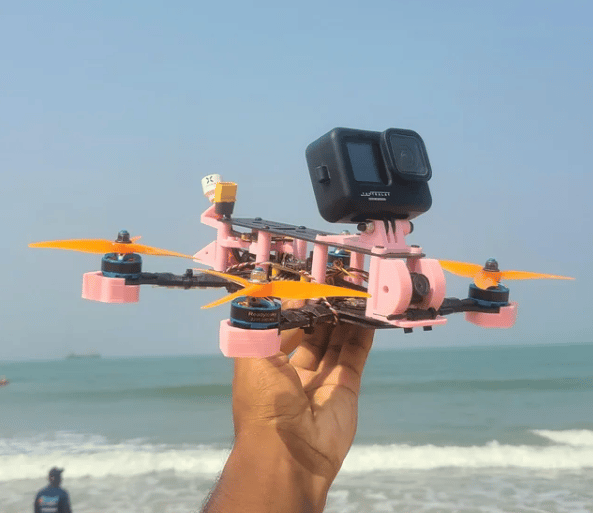
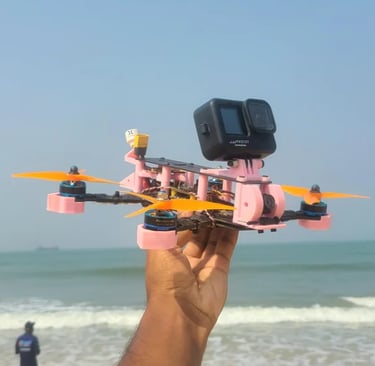
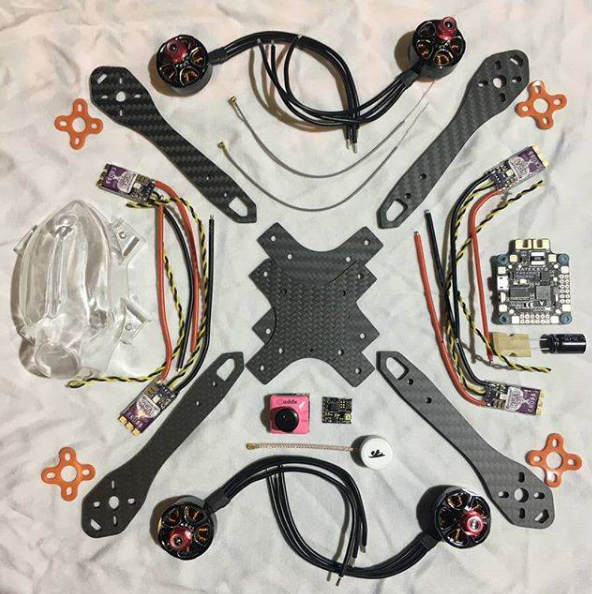
First and foremost, an FPV (First Person View) drone system relies heavily on the small camera that is mounted securely on the drone's frame. This camera is crucial, as it captures real-time video footage as the drone flies. Typically, FPV cameras are designed to be lightweight to minimize the overall weight of the drone. They offer various resolutions and frame rates, ensuring that pilots receive a clear and smooth video feed. Some advanced FPV cameras even come with adjustable settings that allow pilots to customize exposure and field of view based on their specific flight conditions.
The next essential component is the video transmitter, or VTx. This device plays a vital role in delivering the video feed from the camera to the pilot's goggles. The video transmitter encodes the video signal and broadcasts it over radio frequencies. These frequencies can vary, with common ranges being 5.8 GHz, offering a good balance between range and video quality. Additionally, it is critical to select a video transmitter that matches the camera's capabilities to ensure the best possible quality and performance.
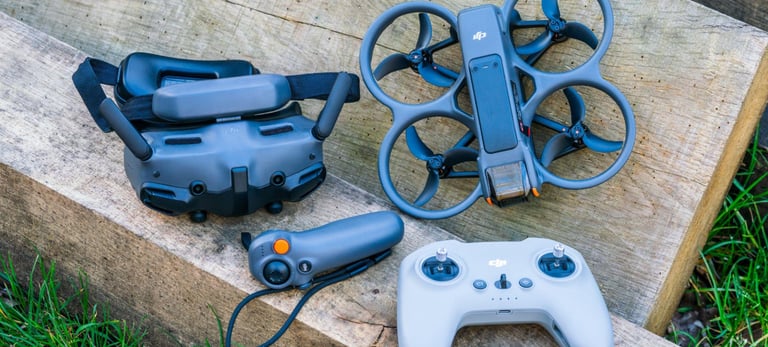
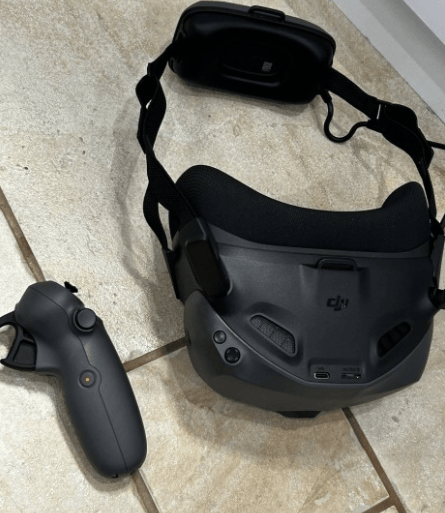
Lastly, the goggles are an integral part of the FPV experience. They serve as the interface through which the pilot views the live footage transmitted from the drone. FPV goggles come equipped with display screens that provide a first-person perspective, allowing pilots to immerse themselves fully in the flight. Many goggles have advanced features, such as adjustable lenses for comfort, built-in antennas for improved reception, and the ability to toggle between different channels. This variety enables pilots to enjoy a seamless flying experience regardless of their skill level.
How FPV Technology Works
First-person view (FPV) technology has transformed the way drone enthusiasts operate their aircraft, allowing pilots to experience flight from a unique perspective. At the core of FPV technology are the components that enable real-time video transmission from the drone's camera to the pilot's goggles. This seamless integration of hardware and software is crucial for delivering a responsive and immersive flying experience.
The process begins with a camera mounted on the drone, which captures high-quality video footage. This camera typically operates in a wide-angle format to provide an expansive field of view. Once the image is captured, it is converted into a digital signal. Subsequently, this signal is sent to a video transmitter located on the drone. The transmitter's main function is to encode and broadcast the video signal wirelessly.
FPV video transmitters operate on various frequency bands, including 2.4GHz and 5.8GHz, allowing for flexibility in terms of range and signal clarity. The choice of frequency impacts factors such as penetration through obstacles and distance, which are critical for optimal performance. The transmitted video signal then travels through the air and is received by the FPV goggles equipped with corresponding receivers.
These goggles are designed to decode the incoming video signal, allowing the pilot to view the live stream in real-time. High-quality goggles feature low latency, ensuring that the delay between the drone's movements and the feed seen by the pilot is minimal. This aspect of FPV technology is essential for piloting with precision and confidence. The combination of the camera’s capability, the transmitter's efficient broadcasting, and the goggle’s real-time reception creates an exhilarating experience where the pilot feels as if they are literally in the cockpit of the drone.
FPV Drone Flying: Techniques and Styles
First-person view (FPV) drones have revolutionized the way enthusiasts engage with aerial technology. The immersive experience provided by FPV goggles allows pilots to fly from a perspective that closely resembles that of the drone itself. This unique viewpoint enhances the ability to navigate through complex environments and execute advanced maneuvers, making FPV flying a thrilling and highly technical pursuit.
One of the most notable techniques in FPV flying is racing. Racing events have gained popularity, with pilots competing head-to-head as they navigate through a series of gates and obstacles at high speeds. The use of FPV goggles is crucial in racing, as they provide a live video feed that allows pilots to gauge their position and speed accurately. This real-time feedback enables quick decision-making and sharp reflexes, key attributes for successful racing. Furthermore, racing drones are typically built for speed and agility, often featuring lightweight frames and powerful motors.
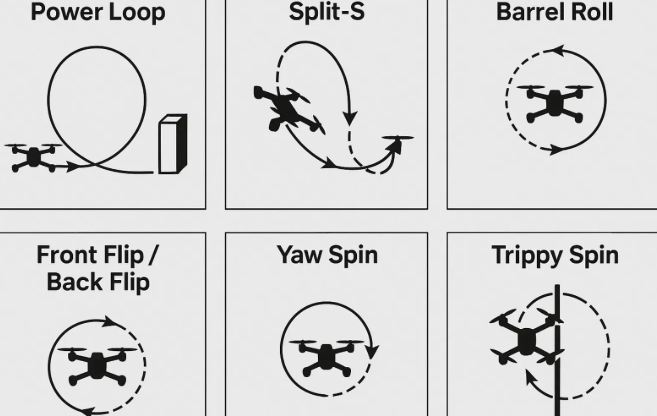
In contrast, freestyle flying emphasizes creativity and skill, allowing pilots to perform tricks and aerial acrobatics. FPV goggles greatly enhance the freestyle experience, as pilots can judge depth perception and orientation during complex flips and rolls. Freestyle pilots often explore their environment, capturing cinematic shots while executing impressive maneuvers. This style of flying encourages an artistic approach, where pilots utilize their surroundings to showcase their skills and creativity in ways that traditional flying cannot achieve.
Overall, whether in racing or freestyle, FPV drones offer an exhilarating experience shaped by the pilots' techniques and styles. The synergy between advanced technology and the immersive experience provided by FPV goggles elevates the potential for creativity and speed, allowing enthusiasts to push the boundaries of what is possible in aerial flight.
Analog vs. Digital FPV Systems
In the realm of first-person view (FPV) drones, two predominant types of video transmission systems are recognized: analog and digital. Understanding their differences is crucial for drone enthusiasts when deciding which system aligns best with their needs.
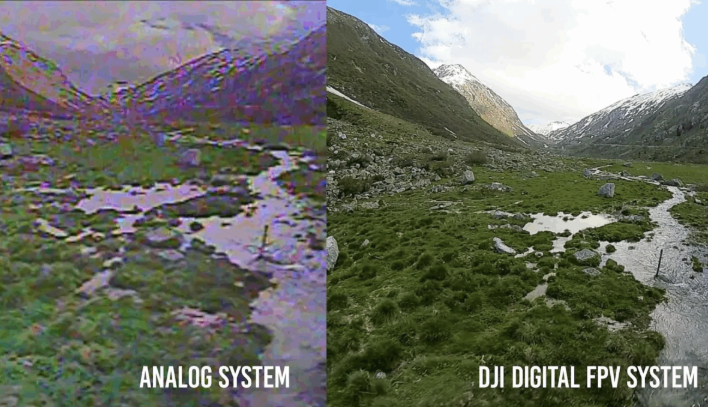
Analog FPV systems have been the traditional choice for many operators due to their lower cost and simplicity. They utilize radio waves for transmission, resulting in real-time video feed that is characterized by lower latency. This can be particularly advantageous for racing or freestyle flying, where immediate feedback and rapid response times are critical. However, the image quality offered by analog systems can be a drawback, as users may experience noise, interference, or a grainy picture — especially at longer distances. The clarity of the video may significantly diminish as the drone moves farther from the transmitter, making it less ideal for tasks that require precise maneuvering or detailed visuals.
Conversely, digital FPV systems have gained popularity due to their superior image quality. Utilizing advanced encoding technology, they provide a clearer, high-definition video feed, which enhances the overall flying experience. The digital signals are less likely to suffer from interference, offering greater range and consistency. However, this improvement in picture quality comes at a higher price point, and the systems introduce a slight increase in latency, which may not be a concern for casual pilots but could affect competitive racing. Additionally, the digital systems require more sophisticated setups and wiring, which can be daunting for newcomers.
When deciding between analog and digital FPV systems, one must weigh factors such as budget, intended use, and personal preference. Each system brings its own set of advantages and disadvantages, making it essential for enthusiasts to evaluate their specific requirements to make an informed choice.
Choosing the Right FPV Goggles
Selecting the appropriate FPV (First Person View) goggles is crucial for enhancing your drone flying experience. The market offers a myriad of goggles, and understanding key features can make this selection process less daunting. Comfort, screen clarity, signal reception, and latency are primary considerations that significantly influence how enjoyable your FPV flying sessions will be.
First and foremost, comfort is essential, especially during extended flying periods. FPV goggles should fit snugly without causing discomfort. Opt for goggles with adjustable straps and soft padding, which alleviate pressure on the face and eyes. It is advisable to try the goggles on, if possible, to ensure a proper fit before purchasing.
Screen clarity is another vital aspect of FPV goggles. High resolution displays contribute to a clearer and more immersive flying experience. Look for goggles with a minimum resolution of 720p to ensure crisp visuals, allowing for better object recognition at various distances. Additionally, consider the screen type—OLED screens often provide better contrast and color accuracy compared to traditional LCD screens.
Signal reception is imperative for maintaining a steady video feed from your drone. Examine the goggles’ antenna configuration, as more antennas generally equate to improved reception capabilities. Features such as diversity receivers can further enhance signal quality by switching between multiple signals, ensuring a more reliable connection across various environments.
Lastly, latency can affect how responsive your control inputs feel during flight. Low latency goggles reduce the lag time between your movements and what you see on the screen, which is critical for precision flying. Aim for a latency under 30 milliseconds for a smoother experience.
Carefully evaluating these features will lead you to the FPV goggles that best suit your flying needs, thus greatly improving your overall experience in the fascinating world of FPV drone operation.
Tips for Beginners in FPV Flying
Embarking on the adventure of FPV (First Person View) flying with drones can be exhilarating, yet challenging for beginners. To maximize your experience and enhance your skills effectively, there are several essential tips to consider.
First and foremost, it is crucial to practice using flight simulators. These simulators provide an excellent platform for beginners to familiarize themselves with the controls and dynamics of FPV drones without the risk of damaging expensive hardware. Many simulators accurately replicate real-world flying conditions, allowing new pilots to develop their reflexes and decision-making skills. Investing time in these programs will increase confidence and proficiency when transitioning to actual FPV flying.
Safety should always be a top priority. Before launching your FPV drone, ensure you are aware of the local regulations and guidelines. Adhering to these rules not only promotes personal safety but also protects the community. Always conduct pre-flight checks to verify that all equipment functions correctly, and maintain a clear line of sight where possible. Moreover, flying in open spaces away from crowds is advisable, helping to mitigate potential accidents.
Mastering control techniques is another fundamental aspect of FPV flying. Beginners should start by becoming adept at basic maneuvers such as takeoffs, landings, and hovering before attempting more complex flying patterns or stunts. It is beneficial to gradually increase the complexity of your flying sessions as you become more comfortable. This incremental approach allows you to build a solid foundation in operating FPV drones.
In conclusion, by utilizing flight simulators, prioritizing safety, and mastering control techniques, beginners can set themselves on a path to successful and enjoyable FPV drone flying. Following these tips will facilitate a smoother transition into the immersive world of FPV.
Social Media
Contact
Newsletter
+86 156 8454 3412
© 2026. All rights reserved.