
Why Pilots Love FPV Drones
FPV drones have transformed the way pilots experience flight by providing a real-time, first-person view through specialized goggles. Unlike traditional drones, FPV drones offer an immersive flying experience that makes pilots feel as if they are sitting inside the aircraft.
7/15/20268 min read
Introduction to FPV Drones
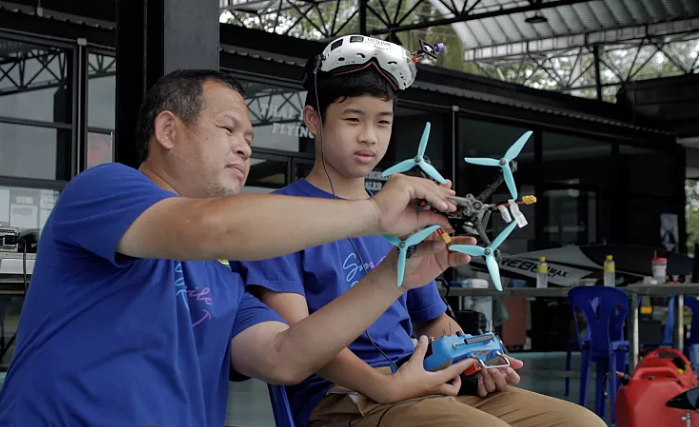
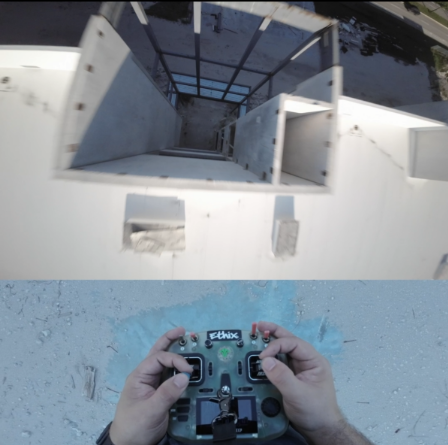
FPV drones, or first-person view drones, represent a major evolution in the world of drone technology. Unlike traditional drones, which are typically operated from a distance with a clear line of sight, FPV drones offer a unique immersive flying experience. By using a set of goggles or a monitor, pilots can see what the drone’s camera sees in real-time, providing a thrilling simulation of flight from the cockpit.
The core distinction between FPV drones and standard models lies in their operational style. Traditional drones are often navigated using a remote control, allowing pilots to view the drone’s position from afar. In contrast, FPV drones create an engaging environment that enables pilots to pilot as if they were onboard the aircraft. This perspective enhances the connection between the pilot and the drone, making flying not just about controlling the device but also about navigating through the space like a bird in flight.
Many pilots have gravitated towards FPV drones due to the exhilarating experiences they provide. The immersive view elevates the sense of freedom and control, making each flight feel more personal and thrilling. Furthermore, FPV drones are widely used in competitive racing, where speed and agility are paramount. The ability to maneuver swiftly through courses and obstacles from a first-person perspective adds an extra layer of excitement that traditional flying cannot match.
Ultimately, the rise in popularity of FPV drones showcases how technology can transform the act of flying into a captivating adventure. For hobbyists, enthusiasts, and competitive pilots alike, the first-person view offers an unrivaled experience that will continue to attract those passionate about aerial exploration.
The Thrill of Control
One of the defining features of first-person view (FPV) drones is the unparalleled level of control they provide to pilots. Unlike traditional remote-controlled drones that often rely heavily on pre-programmed flight paths or limited control mechanisms, FPV flying immerses operators in the cockpit, allowing them to maneuver freely and instinctively. This immersive experience is especially pronounced during racing and freestyle flying, where rapid maneuvers such as quick turns, dives, and rolls can be executed fluidly.
Pilots quickly adapt to the responsive nature of FPV drones, as these aircraft are designed to handle a variety of aggressive flying styles. The lightweight construction and advanced flight control systems enable swift reactions, translating the operator's instincts directly into flight dynamics. This responsiveness not only heightens the thrill but also fosters a deeper connection between the pilot and the machine. The synergy between human and drone allows for an exhilarating experience, one that is distinctively different from the often hindered control found in conventional flying models.
Moreover, the ability to perform complex aerial acrobatics is an integral aspect of the appeal surrounding FPV drones. Pilots engage in activities such as racing through tight courses or pulling off intricate stunts, all in real-time and while experiencing the flight from a first-person perspective. Such capabilities bring about not just joy but also a significant challenge, enticing individuals to refine their skills and push their limits. The continuous quest for mastering the art of aerial control becomes a motivator for many FPV enthusiasts.
Thus, the thrill of control offered by FPV drones elevates the flying experience, making it an exciting pursuit for both casual hobbyists and serious competitors alike. The intimate feeling of navigating through the air at high speeds enhances the overall enjoyment and satisfaction derived from the flying experience.
The Speed Factor
FPV drones, particularly racing models, are renowned for their impressive speed capabilities. Several factors contribute to the rapid acceleration and fast maneuvering that these drones exhibit, making them a favored choice among pilots seeking thrilling experiences. Racing FPV drones can reach speeds of up to 100 miles per hour under ideal conditions, allowing pilots to achieve exhilarating flight experiences that emphasize both thrill and precision.
The exhilarating speed that FPV drones offer is not merely a matter of raw numbers; it’s about the instantaneous response to pilot inputs. Pilots control these drones with precision, requiring them to react quickly to changes in the environment and make rapid adjustments to their flight paths. As a result, the ability to maneuver at such high speeds demands an elevated level of focus and skill from pilots. The challenge lies in translating the energy and velocity of flying into effective control without crashing, making FPV racing a rewarding discipline.
This heightened concentration necessary for speed also enhances the overall allure of FPV drone racing. Pilots find themselves immersed in a high-stakes environment, where every turn, dive, and ascent requires complete dedication and deft hand-eye coordination. The adrenaline rush that comes from flying at these speeds, combined with the thrill of tight competition, captivates many pilots and keeps them engaged in the sport. For these reasons, the speed factor represents a pivotal element of the FPV drone racing experience, blending excitement with the challenge of developing the skills necessary to fly effectively, which further solidifies the popularity of this activity among aviation enthusiasts.
Customization: The Pilot's Playground
One of the defining features of FPV (First Person View) drones that captivates pilots is the extensive customization options available. Each pilot possesses unique tastes and flying styles, and the ability to tailor a drone to fit these preferences transforms the flying experience. From the frame and motors to the camera and flight controller, every component can be selected based on individual requirements and inclinations.
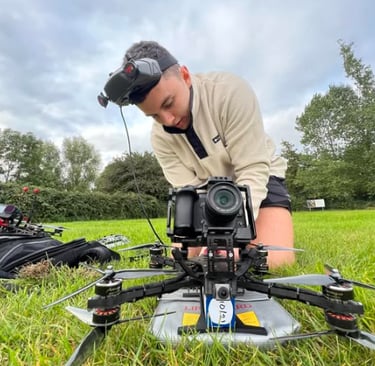
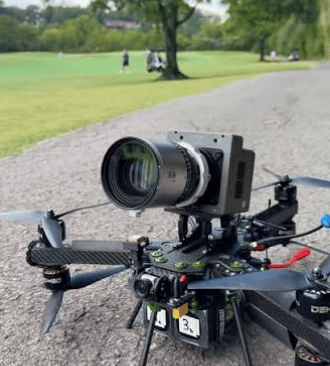
The frame serves as the foundation of the drone, and pilots can choose materials ranging from carbon fiber to plastic, weighing the benefits of durability against weight. The size and shape of the frame can further influence the agility and flight characteristics, enabling pilots to optimize their drones for racing, freestyle flying, or cinematic filming.
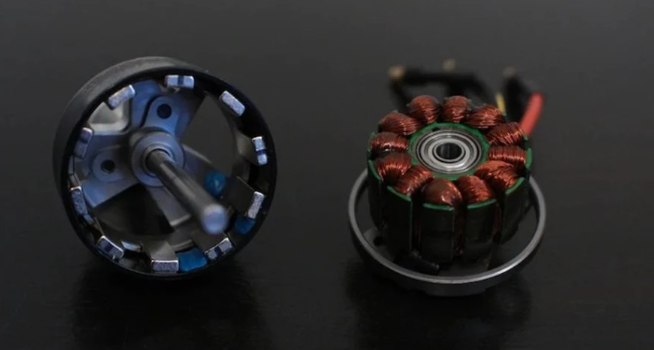
Motors are another crucial element in the customization process. Pilots can select motor specifications, such as thrust, RPM, and efficiency, ensuring their drone can achieve the desired performance levels. The choice of Electronic Speed Controllers (ESCs) complements this by impacting acceleration and responsiveness. This technical aspect allows skilled pilots to push the boundaries of their drone's capabilities, experimenting with different setups to find the optimum configuration.
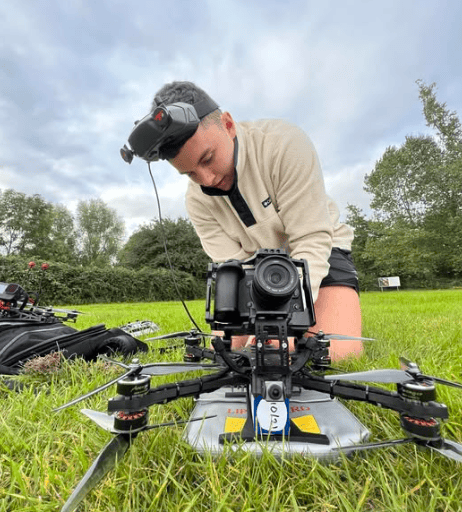
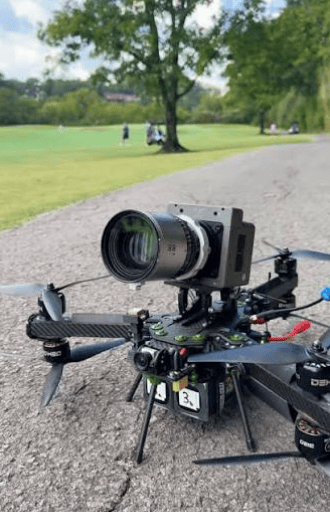
Cameras contribute significantly to the overall flying experience. Pilots can opt for a range of cameras, each offering various field of view, weight, and resolution, with options built specifically for low-light conditions. Furthermore, attaching a GoPro or other high-definition camera can elevate the capturing of footage, allowing pilots to showcase their skills and the breathtaking landscapes they encounter. As a result, customization not only tailors the equipment to the pilot's style but also impacts the quality of the FPV experience.
Ultimately, the realm of FPV drone customization serves as a playground for both novice and seasoned pilots alike. The excitement of constructing a drone according to personal preferences provides a sense of ownership and individuality, enhancing the enjoyment of every flight.
Captivating Visuals: Unique Angles and Footage
First-person view (FPV) drones offer a remarkable adventure in aerial photography and videography, catering specifically to filmmakers and content creators seeking captivating visuals. One of the most significant advantages of FPV drones is their ability to navigate through tight spaces and capture unique angles that traditional camera drones often struggle to achieve. This distinctive capability opens up a world of creative possibilities that can transform the storytelling aspect of any project.
Unlike standard drones that operate from a third-person perspective, FPV drones provide an immersive experience by giving pilots the sensation of flying. This is particularly impactful when capturing dynamic scenes or intricate landscapes. The pilot can maneuver the drone through confined areas, around obstacles, or even in close proximity to subjects, resulting in footage that feels intimate and engaging, often invoking a sense of adventure in the viewer.
Filmmakers and creatives can craft visually stunning compositions that highlight landscapes and environments in innovative ways. The flexibility of FPV drones allows users to create sweeping shots through trees, dive into valleys, or soar over rooftops while maintaining incredible stability. This aspect is especially useful in action sequences or fast-paced narratives where traditional drones would fall short due to their limited maneuverability.
Furthermore, FPV drones can record in high-resolution formats, enhancing the quality of the footage captured. This combination of unique angles, captivating movements, and high-definition visuals contributes to a final product that is both striking and memorable. As a result, FPV drones are becoming increasingly popular among professional filmmakers, content creators, and hobbyists alike, who value the artistic expression that these versatile tools facilitate.
The Challenge of Mastery
Flying FPV (first-person view) drones offers a unique experience that transcends traditional drone piloting, attracting enthusiasts to the multifaceted challenges it presents. Unlike the more straightforward operation of camera drones, FPV flying demands a blend of technical proficiency, spatial awareness, and quick decision-making skills. This complexity forms the crux of its appeal for many pilots who thrive on the challenge of mastering FPV technology.
The learning curve associated with FPV drones can be steep; initial flights often entail a degree of frustration, as pilots adapt to the nuances of controlling their craft through live video feeds. Unlike typical drones that can be flown with a simple point-and-click approach, FPV flying involves understanding the intricacies of flight dynamics, including pitch, yaw, and roll. New pilots quickly realize that their control inputs translate directly into the drone's behavior, creating a more immersive yet challenging experience.
This journey of skill development is a key motivator for many FPV enthusiasts. Every successful maneuver, from sharp turns to barrel rolls, signifies progress and mastery of the craft. Pilots often cite the satisfaction derived from overcoming challenges as one of the primary reasons they continue to engage with FPV flying. Each flight presents an opportunity to test and augment their abilities, creating a continuous cycle of learning and improvement.
In this respect, FPV drones also foster community and camaraderie among pilots. Engaging with others who share the same passion offers support as they navigate the complexities of flight. Competitions and gatherings enable pilots to showcase their skills, further fueling their motivation to master FPV technology.
Ultimately, the challenges associated with flying FPV drones transform what could be a mere hobby into a passionate pursuit, where each flight cultivates both skill and enjoyment.
Conclusion: A Community of Enthusiasts
In the realm of FPV (First-Person View) drones, a vibrant and supportive community has emerged, uniting pilots who share a passion for flight. This strong network of enthusiasts is one of the main reasons why pilots are drawn to FPV drones. The exhilaration of piloting a drone through complex landscapes is amplified by the shared experiences and camaraderie found within this community.
FPV pilots frequently gather at events, competitions, and online forums, providing a platform for the exchange of knowledge, skills, and techniques. These interactions not only enhance individual capabilities but also foster a sense of belonging among participants. As novice and experienced pilots collaborate, they learn from one another, share tips on drone setup and flying techniques, and discuss the latest advancements in FPV technology.
Moreover, the creative expression found in FPV flying cannot be overlooked. Many pilots take to the skies to capture stunning aerial footage or to design and build customized drones, showcasing their technical skills and artistic vision. This creativity often leads to collaborative projects and inspiration for new ways to push the boundaries of the FPV experience. By sharing their videos and results, pilots contribute to a collective repository of knowledge and inspiration, further enriching the community.
Ultimately, the sense of community is a driving factor in the enjoyment of FPV drones. As pilots connect with others who share their passion, they find encouragement, inspiration, and friendship. This connection not only enhances their individual flying experiences but also strengthens the FPV drone community as a whole, making it a continually evolving domain filled with excitement and innovation.
Social Media
Contact
Newsletter
+86 156 8454 3412
© 2026. All rights reserved.