
How to Capture Cinematic Drone Videos Like a Professional
Discover professional tips for filming cinematic drone videos, including smooth flight techniques, camera settings, composition, and editing advice to create breathtaking aerial footage.
7/15/20268 min read
Understanding the Essence of Cinematic Drone Videos
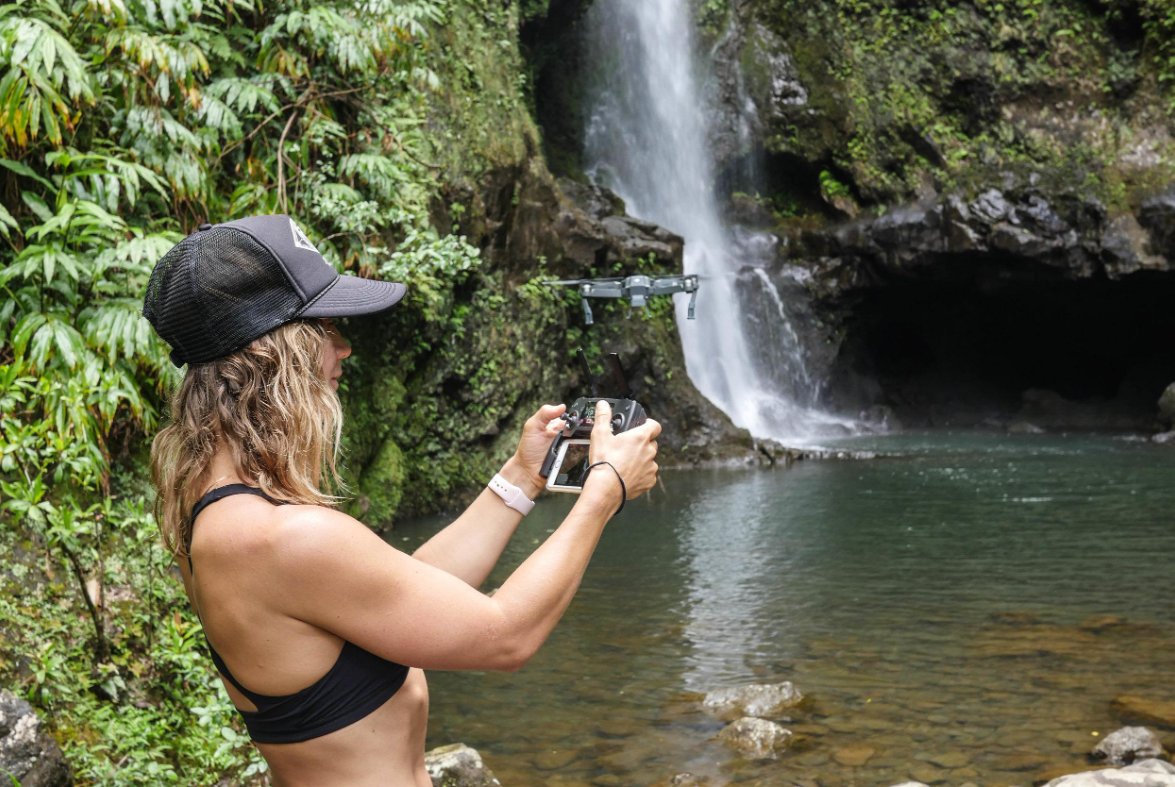
Cinematic drone videos transform the mundane into the extraordinary, creating immersive visual narratives that captivate audiences. This genre transcends mere aerial imagery; it embodies a deeper storytelling approach that resonates with viewers on an emotional level. To truly appreciate what makes a drone video cinematic, one must understand the significance of narrative storytelling through visual imagery.
Before embarking on a drone filming project, it is crucial to establish a clear vision or story. This encompasses everything from the theme and emotions you wish to convey to the specific scenes you plan to capture. Whether the focus is on breathtaking natural landscapes, dynamic urban environments, or significant events, having a well-defined purpose guides the shooting process. Without a solid narrative foundation, footage can appear disjointed and lack meaning.
When approaching each scene, filmmakers should consider how to infuse it with purpose. This involves thinking critically about the lens through which the audience will experience the footage. For example, an expansive aerial shot of a forest can symbolize freedom and vastness, while a close-up of a bustling city might evoke a sense of energy and urgency. Such intentional framing and composition help transform ordinary moments into compelling visual stories.
Moreover, the choice of music, pacing, and editing also plays a significant role in enhancing the cinematicaesthetic. Integrating these elements thoughtfully allows for a cohesive and engaging narrative flow that keeps the audience invested. Ultimately, the essence of cinematic drone videos lies in their ability to narrate stories that resonate with viewers, turning simple footage into powerful, memorable experiences.
Timing is Everything: The Best Times to Fly
When aiming to capture cinematic drone videos, understanding the timing of your flights is crucial. The soft lighting that occurs during the early morning and late afternoon provides the most visually appealing conditions for drone filming. This golden hour phenomenon is characterized by a warm, diffused sunlight that enhances color saturation and creates dynamic contrast. As a result, scenes captured during these times often evoke emotional responses and possess an artistic quality that is hard to replicate.
Avoiding the harsh midday sunlight is also essential for producing high-quality footage. The intense overhead lighting can result in stark shadows and overly bright highlights, which detract from the cinematic feel of the video. By planning your flights accordingly, you can sidestep the pitfalls of undesirable lighting and make the most of the natural conditions.
Moreover, the weather can significantly impact your drone videography. Overcast days are often perceived negatively; however, they are excellent for video capture. Cloud cover acts as a natural diffuser for sunlight, reducing glare and providing a soft, even light that flatters the landscape. Additionally, experimenting with flights during the early stages of a storm or after rainfall can yield striking visuals, as the atmosphere may exhibit dramatic clouds and vibrant colors.
In conclusion, the timing of your drone flights plays a pivotal role in achieving cinema-quality visuals. By focusing on the optimal hours of early morning and late afternoon, while also being mindful of weather conditions, videographers can substantially enhance their footage, ensuring it embodies the artistry that characterizes professional drone work.
Mastering Smooth Movements and Techniques
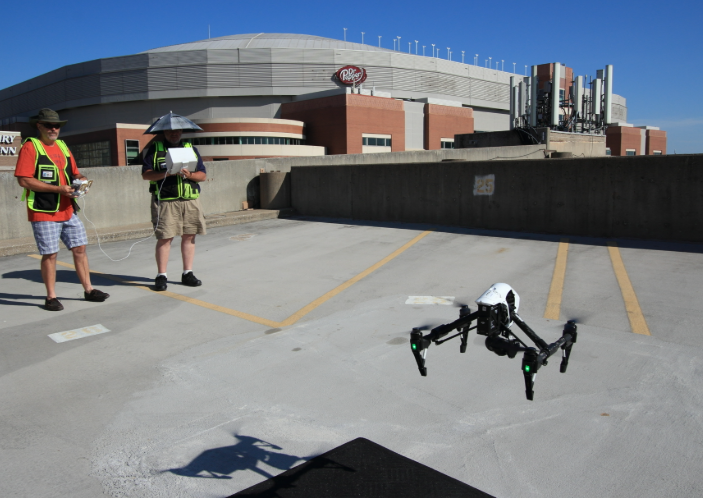
Achieving cinematic quality in drone videos significantly depends on the smoothness of the movements. It is essential to understand that slow, deliberate flying is critical for creating professional-looking footage. Rapid changes in speed or direction can lead to shaky and distracting shots, which detract from the overall cinematic experience. Therefore, pilots must practice controlled movements to ensure stability and clarity in their videos.
One effective approach to mastering smooth movements is to familiarize oneself with the drone's controls. By regularly practicing in various environments, drone pilots can develop a good sense of their aircraft’s responsiveness. Practicing slow ascents, descents, and lateral movements allows for better precision when executing more complex maneuvers. Moreover, incorporating various shot types can further enhance the aesthetic quality of the video. Techniques such as push-ins, reveals, and orbits create dynamic and engaging narratives within the framing of each shot.
Push-ins, for example, involve slowly moving the drone closer to a subject while keeping it at a steady altitude. This technique draws the audience’s attention to the focal point of the scene. Reveals, which entail gradually lifting the drone to uncover a breathtaking landscape or subject, serve as an excellent method for building anticipation. Additionally, orbital shots, which encompass the drone moving in a circular path around a subject, provide a comprehensive view of the scenery, effectively showcasing spatial relationships.
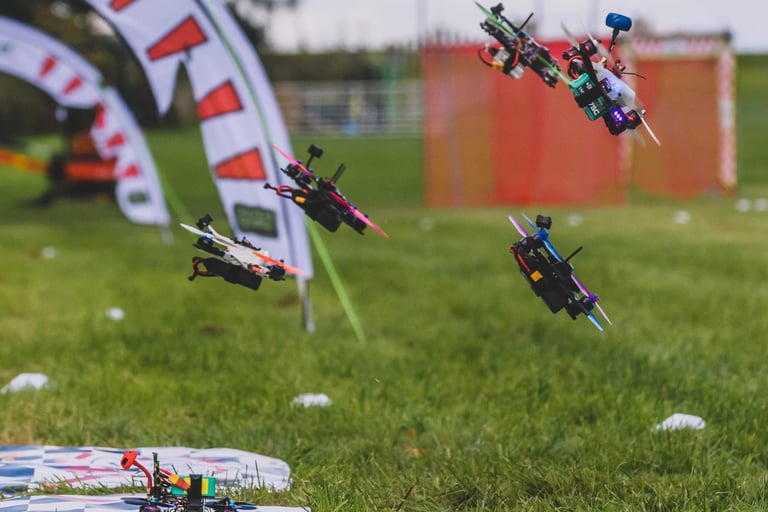
To practice these movements, consider setting up an obstacle course in an open area. This enables the pilot to focus on maintaining smooth trajectories while navigating through designated points. Incorporating various speeds in practice sessions can also be beneficial, as it allows for adaptability during actual shooting conditions. Ultimately, mastering these techniques will contribute significantly to creating cinematic drone videos that resonate with viewers.
Essential Camera Settings for Cinematic Quality
When embarking on the journey of capturing cinematic drone videos, understanding the essential camera settings is crucial for achieving high-quality results. One of the primary recommendations is to utilize a 4K video resolution. This resolution not only ensures a crisp and clear image but also provides the flexibility for cropping during post-production without sacrificing detail.
The choice of frame rate plays a vital role in the fluidity of motion in your footage. Common frame rates for cinematic videos are 24, 30, or 60 frames per second (fps). For a more traditional cinematic look, 24 fps is often preferred, as it closely mimics the frame rate of film. However, for fast-paced action sequences or smoother captures, 60 fps can be more suitable. The selection of frame rate should also take into account the planned editing process, especially if slow-motion effects are desired.
Balancing exposure is another critical aspect of drone filming. It is essential to set the ISO, shutter speed, and aperture appropriately. A common guideline is to use a shutter speed that is double the frame rate; for instance, if shooting at 24 fps, set the shutter speed to 1/50 seconds. This approach provides a natural motion blur, which is essential for maintaining a cinematic feel.
To enhance the quality of your drone footage, employing a gimbal for stabilization is highly recommended. A gimbal helps to reduce vibrations and shakes, resulting in smoother shots even during turbulent flight conditions. Furthermore, using Neutral Density (ND) filters can help manage lighting by reducing the amount of light hitting the camera sensor, allowing for better control over exposure and maintaining natural motion blur. By optimizing these camera settings, individuals can significantly improve the cinematic quality of their drone videos, ultimately elevating their production value.
Composition Techniques for Engaging Visuals
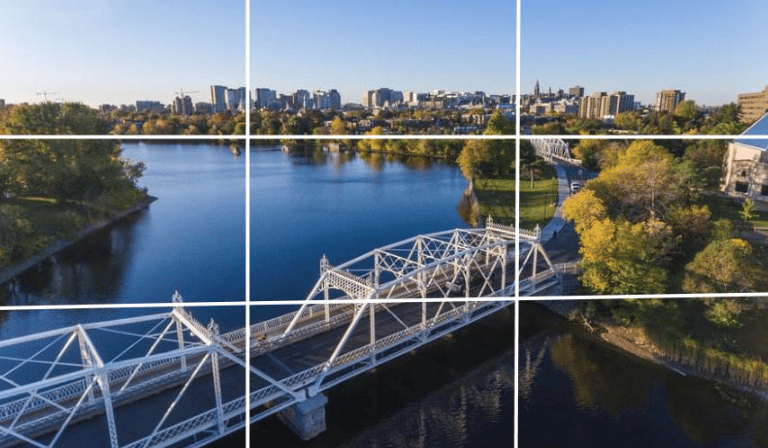
Creating visually captivating drone videos involves understanding and applying effective composition techniques. One of the primary techniques is the use of leading lines. These elements guide the viewer's eye through the scene and can effectively create a sense of depth. For instance, a road or river winding through the landscape can draw attention and make the visual narrative more dynamic. By strategically positioning the drone to highlight these lines, you can enhance the viewer’s engagement with your footage.
Another significant aspect of composition is symmetry. Symmetrical shots often evoke a sense of balance and harmony, which can be particularly striking in natural landscapes, such as reflections in water or the uniformity of fields and forests. Capturing these elements from the right angle not only emphasizes their visual symmetry but also frames the scene artistically. By incorporating such techniques into your drone footage, you can create imagery that resonates with viewers and elevates your work.
Moreover, integrating foreground elements can add an important layer to your compositions. Objects such as trees, rocks, or buildings in the foreground can provide depth, making the scene feel more three-dimensional. When shooting, consider how these elements can frame your primary subjects. Additionally, varying your shooting altitude and angles can dramatically change the visual impact of a scene. Lower angles can exaggerate the size of foreground elements, while higher altitudes may offer sweeping views that put the entire landscape into perspective.
Incorporating creativity into framing each shot will distinguish your drone videos from standard footage. By experimenting with different perspectives and compositional techniques, you can produce engaging and memorable visuals that convey a professional quality.
Pre-Flight Planning: Ensuring a Successful Shoot
Before embarking on a cinematic drone video shoot, meticulous pre-flight planning is paramount. Preparing ahead not only enhances the outcome of the footage captured, but it also ensures compliance with regulations and safety guidelines that govern drone operations. The first step in this planning process should involve a thorough assessment of the drone's battery levels. Sufficient power is essential, as running out of battery mid-flight can not only compromise the footage but also pose safety risks to both the drone and surrounding people or property.
Next, evaluating the weather conditions is crucial. Wind speed, temperature, and precipitation can significantly affect drone stability and performance. Opting for a day with clear skies and minimal wind allows for better maneuverability and picture quality. Additionally, incorporating weather forecasting apps can assist drone operators in making informed decisions about when to schedule their flights.
Another vital element of pre-flight planning is ensuring GPS availability. A strong GPS signal is necessary for efficient navigation and safety features such as return-to-home functionality. Inspecting satellite reception in the chosen shooting location beforehand can save time and prevent potential issues during the flight.
Lastly, understanding local regulations regarding drone flights is essential. Various regions have different restrictions; some may prohibit flying in certain areas, particularly near airports or populated spaces. Familiarizing oneself with these regulations can prevent legal repercussions and promote responsible drone usage. Thorough pre-flight planning, including these key components, can vastly enhance the success of a cinematic drone shoot, ensuring that the operator captures stunning visuals while adhering to safety and legal protocols.
Post-Production Tips for Polishing Your Footage
Post-production is a crucial phase in the filmmaking process, particularly when aiming to achieve cinematic drone videos that reflect a professional standard. A variety of techniques can significantly enhance the overall visual quality and narrative of your footage. One key aspect is color grading. This process involves adjusting the colors and tones within your footage to achieve a desired aesthetic. By utilizing software such as Adobe Premiere Pro or DaVinci Resolve, you can manipulate the contrast, brightness, and saturation levels to create a specific mood or atmosphere, harmonizing with the visual story you wish to convey.
Editing techniques also play a vital role in post-production. Seamless transitions between shots, strategic cuts, and pacing are essential to maintain viewer engagement. It is advised to keep a consistent flow throughout your drone footage to avoid jarring transitions that can distract from the cinematic experience. Utilizing slow motion or time-lapse can add an artistic touch, allowing viewers to absorb the beauty of the landscapes captured. Additionally, incorporating dynamic camera movements, such as spins or tilts, during the edit can make the footage more exciting and energetic.
Sound design is another integral component of post-production that should not be overlooked. The right audio can elevate your visuals, providing a complementary backdrop that enhances the overall impact of your drone footage. This can include natural sounds from the environment, music that matches the tone of your video, or carefully crafted sound effects that add depth to specific scenes. By marrying visuals with sound effectively, you create an immersive experience for your audience.
In conclusion, investing time in post-production techniques such as color grading, effective editing, and thoughtful sound design will help you polish your cinematic drone videos, ensuring they achieve a professional finish. The right approach to post-production can distinguish your work from the crowd, enhancing clarity and overall viewer enjoyment.
Social Media
Contact
Newsletter
+856 20 97 510 070
© 2026. All rights reserved.