
How to Choose the Right Drone | Drone Buying Guide
Learn how to choose the right drone with this drone buying guide for beginners. Compare camera quality, battery life, flight range, safety features, GPS, and price.
7/8/20268 min read
Understanding Your Purpose
Drones have emerged as versatile tools, serving a multitude of purposes across various fields. As technology has advanced, the applications of drones have expanded significantly, making it essential for potential buyers to understand their intended use before making a purchase. Recognizing your purpose will directly influence your choice of drone, ensuring that it meets your specific requirements.
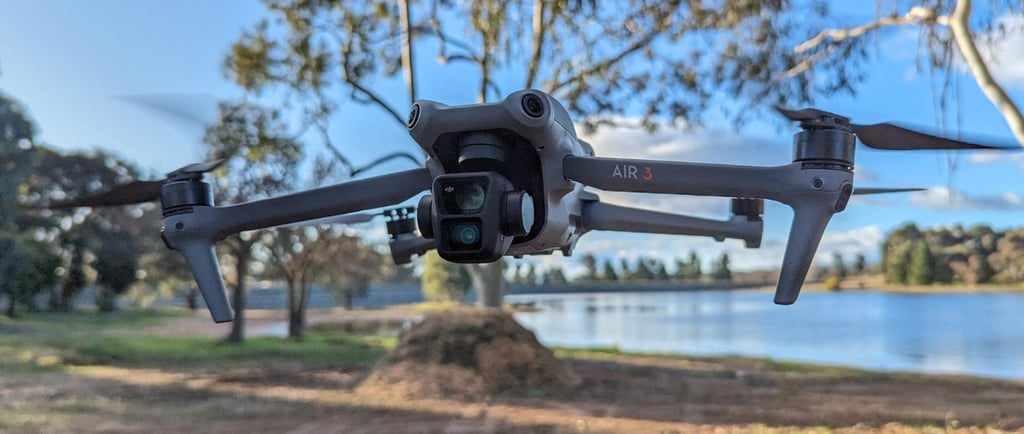
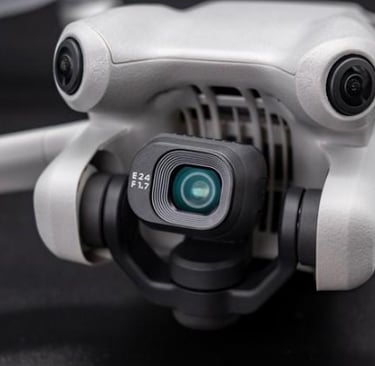
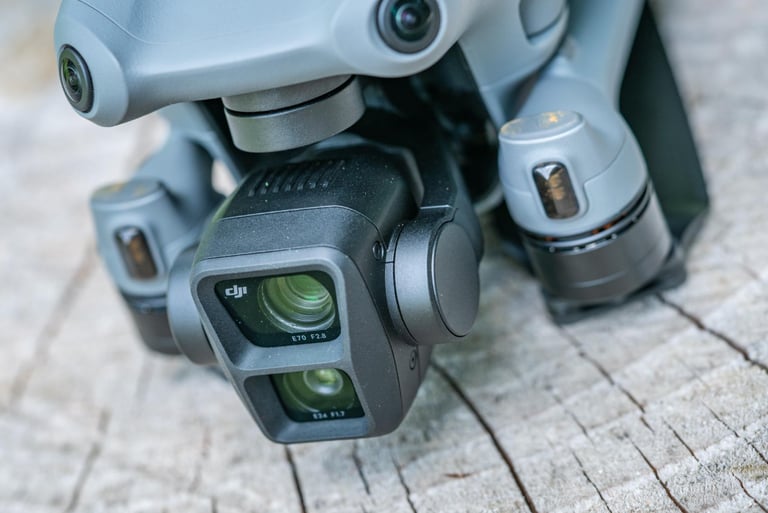
One of the primary uses of drones is for aerial photography and videography. These drones are equipped with high-resolution cameras capable of capturing stunning images and videos from unique perspectives. If your goal is to create content for social media, documentaries, or personal projects, selecting a drone with a robust camera system is crucial. Furthermore, additional features such as gimbal stabilization can be advantageous for producing smooth and professional-quality footage.
Recreational flying is another popular application for drones. Hobbyists often seek drones for the enjoyment of navigating the skies, performing aerial stunts, or simply observing landscapes from above. For leisure activities, users may prioritize ease of use, flight stability, and battery life rather than advanced camera systems. Choosing a drone that is user-friendly and designed for recreational flying can enhance the overall experience.
Racing is yet another exciting area where drones have gained popularity. Racing drones are specifically designed for speed and agility, featuring lightweight frames and powerful motors. Participants in drone racing often seek out specialized models that allow for quick maneuvers and significant customization to meet competitive standards. In this case, understanding the dynamics of racing and the characteristics of suitable drones is essential for success.
Finally, surveying and mapping are increasingly common professional applications of drone technology. Drones used for this purpose are equipped with high-precision sensors and GPS capabilities, enabling accurate data collection over vast areas. When engaging in surveying work, choosing a drone with an extended range and advanced data processing tools is vital, as it directly affects the quality and reliability of the collected information.
Key Features of Drones
When selecting a drone, it is essential to consider several key features that impact performance and user experience. Among these, camera quality, battery life, operating range, and safety features stand out as critical factors.
The camera quality is one of the most important aspects of any drone, primarily for those intending to capture stunning aerial photography or videos. Drones come equipped with cameras varying from basic models with low resolution to advanced units that can shoot 4K video and offer high megapixel counts. The latter is preferred for professional use, ensuring better clarity and detail in captured images. Assessing the camera's stabilization technology is also vital, as it determines the smoothness of the footage.
Battery life plays a significant role in determining a drone's usability. The longevity of a battery affects how long the drone can remain airborne and complete missions without frequent recharging. Most entry-level drones offer between 20 to 30 minutes of flight time, while high-end models may exceed 40 minutes. Users should also consider the battery's charging time and whether it can be replaced for extended sessions.
Range defines the maximum distance a drone can operate from the controller. For recreational users, a range of around 1 to 2 kilometers may suffice, while professional operators may seek drones with longer ranges to cover expansive areas effectively. The drone's communication technology, including GPS and other navigational aids, influences its range and reliability in maintaining a connection.
Lastly, safety features such as obstacle avoidance, return-to-home functionality, and GPS stabilization are paramount for both novice and experienced users. These features help prevent accidents and enhance safer flying experiences, making the drone more user-friendly.
Camera Quality: What to Look For
When choosing a drone, one of the most critical factors to consider is the camera quality. The resolution of the drone’s camera is a crucial aspect that determines the clarity and detail of the images and videos captured. Generally, drones are equipped with either HD (1080p) or 4K cameras. While HD quality is sufficient for general use, such as casual photography or social media content, 4K offers a significantly higher resolution that is ideal for professional videography and high-end projects. This enhanced resolution allows for more intricate details and smoother visuals, especially beneficial during post-production editing.
Moreover, it is essential to consider the sensor size and quality of the lens used in the camera. A larger sensor typically captures more light, resulting in better performance in low-light conditions. Additionally, a lens with a wider aperture can also contribute to clearer images and improved overall picture quality. Therefore, evaluating these aspects can greatly influence the decision-making process.
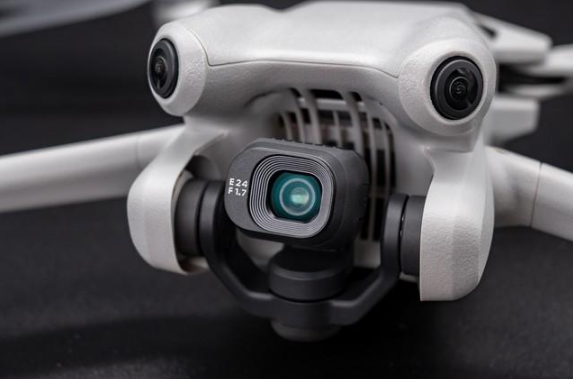
Stabilization technology is another vital feature to assess. Drones equipped with gimbals help to ensure smooth footage by reducing the effects of vibrations and sudden movements during flight. This is particularly important for videographers seeking to produce professional-grade video content. Furthermore, camera specs such as frames per second (FPS), field of view (FOV), and the ability to shoot in RAW format should also be scrutinized, as these can significantly impact the versatility and quality of photography and videography.
In conclusion, when selecting a drone, paying close attention to the camera quality, specifications, and added stabilization options will enhance your aerial photography experience and enable diverse creative expressions.
Battery Life and Flight Time
The battery life of a drone is a crucial element that directly influences its performance and the overall user experience. Generally, drones are equipped with lithium-polymer (LiPo) batteries that provide a balance between weight and energy density, impacting how long they can stay airborne. Flight times can vary significantly across different models, typically ranging from 5 to 30 minutes, based on the drone’s design and size.
For instance, toy drones often have shorter battery life, making them suitable for casual flying. In contrast, professional drones with high-quality cameras may offer longer flight times, allowing for more comprehensive photo and video capture sessions. It is essential to note that flight time is not solely dependent on the battery capacity; several factors contribute to battery consumption. Factors such as the weight of the drone, wind conditions, and flight style greatly affect how long a drone can remain in the air.
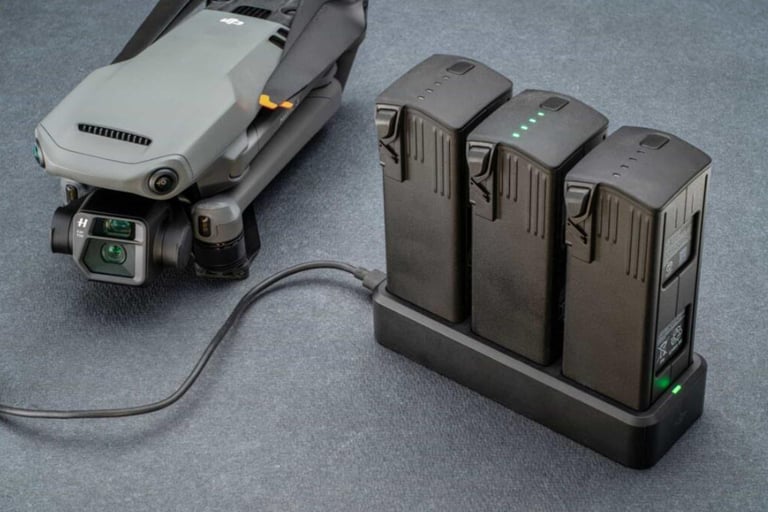
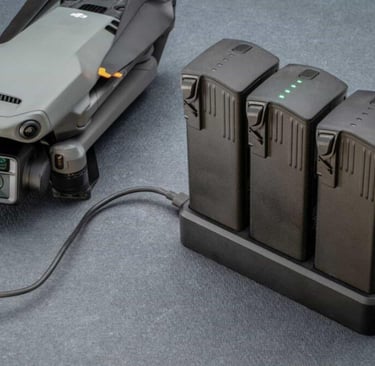
To optimize battery life and extend flight time, users can implement several strategies. Pilots can fly at a consistent altitude and limit aggressive maneuvers such as rapid ascents or sharp turns, which tend to drain the battery more quickly. Additionally, using features such as GPS hold can help maintain stable flight conditions, further conserving battery power. Carrying extra batteries can also mitigate the limitations imposed by battery life, enabling longer drone operation without extended breaks for recharging. Keeping an eye on battery levels and planning flights accordingly can enhance the flying experience, especially for those engaged in critical tasks like aerial photography or surveying.
By understanding the significance of battery life and its effects on flight time, drone enthusiasts can make informed decisions when selecting their drone, ensuring they choose a model that fits their specific usage needs and desired flying experience.
Range and Connectivity
The range of a drone, referring to the maximum distance it can travel from its controller while maintaining a stable communication link, is a crucial factor to consider when making a purchase. For beginners, a shorter range, typically around 100 to 300 meters, is sufficient for learning the basics of flying without the risk of losing control. Most beginner drones are designed to provide a user-friendly experience, which includes limited ranges that ensure pilots can easily retrieve the drone should it fly too far away.
As users progress to more advanced flying techniques and seek to capture stunning aerial imagery, they will likely require drones with extended ranges. High-end models can have a range exceeding 5 kilometers, allowing for expansive exploration and stunning shots from significant distances. However, it is essential to recognize that greater range often correlates with increased complexity and a steeper learning curve, making it vital for individuals to assess their flying skills before opting for more advanced options.
Moreover, the connectivity between the drone and the remote controller is paramount for ensuring safe and effective flight. A strong signal is necessary to avoid interruptions and potential loss of control. Factors that can impact connectivity include environmental conditions, interference from other devices, and obstacles such as trees or buildings. Therefore, pilots are advised to maintain a clear line of sight with the drone, especially when flying at the outer limits of its range. Emphasizing the importance of good connectivity can enhance the overall flying experience and reduce the likelihood of frustrating incidents.
Safety Features to Consider
When selecting a drone, prioritizing safety features is critical, particularly for novice pilots. Key elements to evaluate include GPS functionality, return-to-home capabilities, and obstacle avoidance systems. Each of these features plays a crucial role in ensuring both the safety of the user and the drone itself.
Firstly, GPS functionality is fundamental for effective navigation and monitoring. A drone equipped with GPS can maintain a stable position and enable pilots to track their location. This feature is especially useful in preventing the drone from drifting away, which is a common concern among new users who may lack confidence in manual flying. Moreover, GPS assists in executing precise flight paths and enhances overall flight stability.
Additionally, the return-to-home feature offers a significant safety advantage. This functionality automatically guides the drone back to its launch point if it loses signal or encounters low battery levels. For inexperienced operators, this feature alleviates the anxiety of potentially losing control or misjudging the battery life during flight, thus enhancing the overall experience.
Finally, obstacle avoidance technology is another vital safety feature that significantly contributes to the flying experience. Drones with built-in sensors can detect and avoid physical obstacles, reducing the risk of collisions in complex environments. This is particularly beneficial for beginners who may struggle to keep their distance from obstacles while focusing on maneuvers.
In conclusion, when choosing a drone, considering advanced safety features like GPS, return-to-home capabilities, and obstacle avoidance systems can greatly improve the user experience. These features not only enhance pilot confidence but also create a safer environment for flying, making them especially essential for new pilots venturing into the world of drone technology.
Budgeting for Your Drone
Choosing the right drone often begins with a careful assessment of your budget. Understanding the cost spectrum is crucial for making an informed purchasing decision. Drones range widely in price, from as low as $30 to several thousands of dollars for high-end models. Your budget will largely depend on your intended use, whether it be for casual photography, professional videography, or hobbyist exploration.
When budgeting for a drone, consider what features are essential for your needs. For instance, drones equipped with high-quality cameras or advanced stabilization systems will generally cost more. If aerial photography is your primary focus, investing in a drone with a superior camera may justify a higher price. Moreover, additional features like obstacle avoidance, GPS capabilities, and flight duration can significantly influence the cost.
Another factor to consider is the battery life and range. Drones with longer battery life typically come with a heftier price tag. A drone that can fly for extended periods allows for more comprehensive shooting sessions without frequent interruptions for recharging. Similarly, improved range is often a feature found in more expensive units, catering to those who want to capture images over vast areas.
It is essential to recognize that the most effective drone for you is not necessarily the most expensive. Rather, it should align with your purpose and skill level. Beginners may find that mid-range models offer a balanced blend of features and affordability, while seasoned users might prioritize performance and advanced functionalities, even if it results in a higher expenditure. By aligning the cost with your requirements, you are more likely to acquire a drone that serves you well over time.
Social Media
Contact
Newsletter
+86 156 8454 3412
© 2026. All rights reserved.