
Drone Swarms Transform Industrial Operations
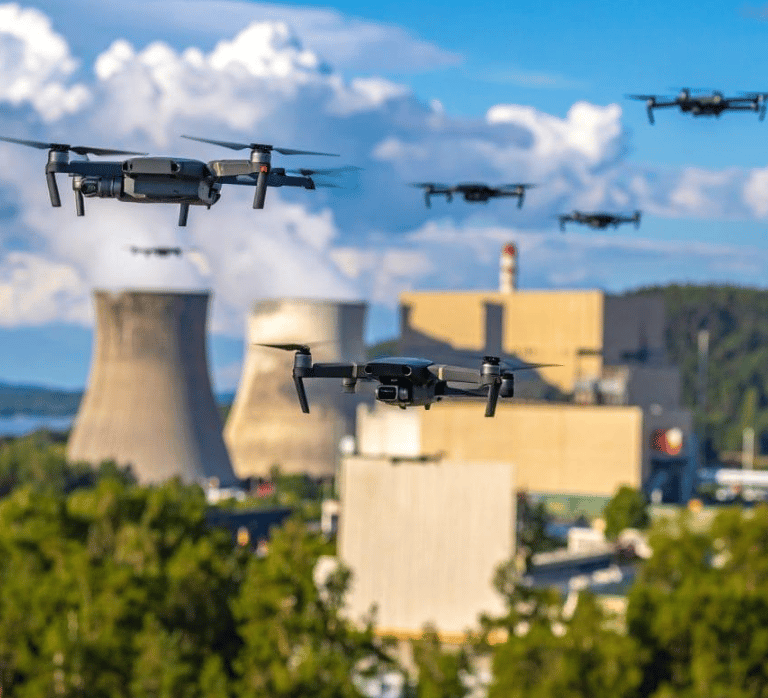
Drone swarm technology is becoming an important innovation in the UAV industry. By allowing multiple drones to work together autonomously, businesses can complete inspections, mapping, and monitoring tasks faster and more accurately.
Drone Swarm Technology Opens New Possibilities for Industry
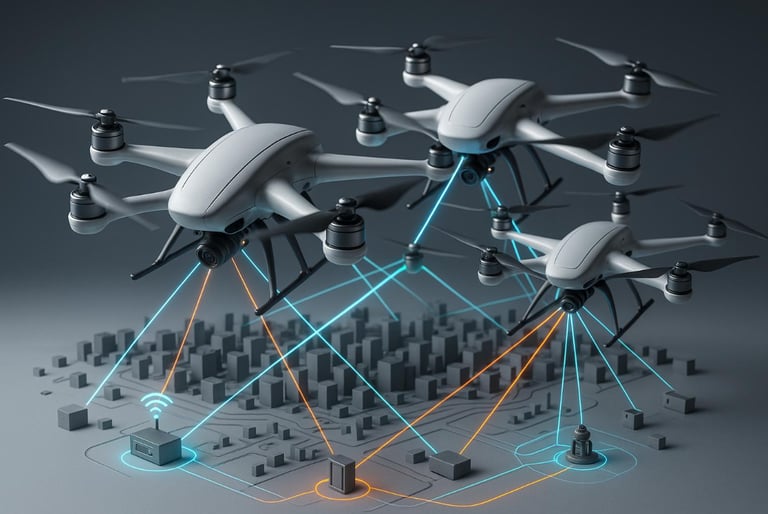
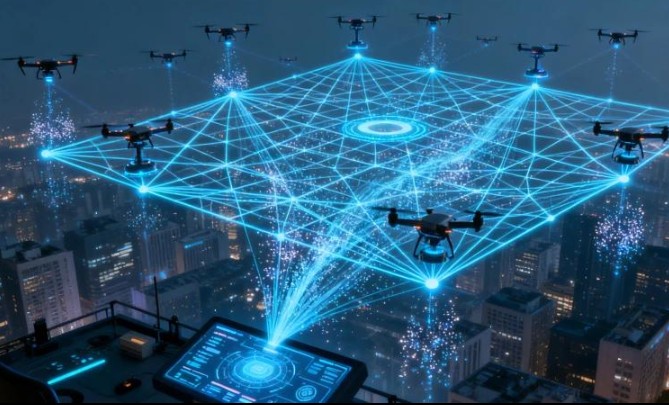
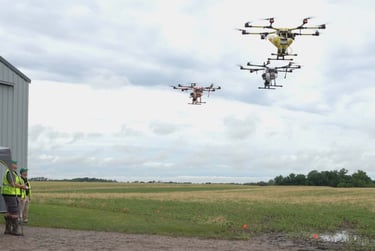
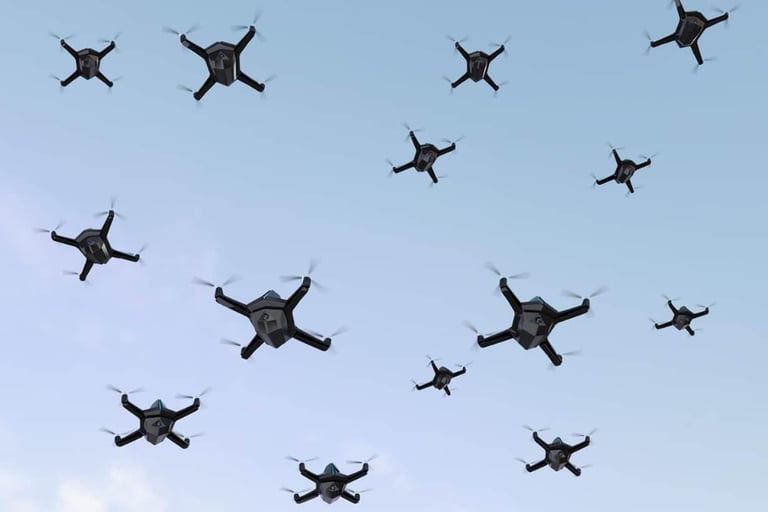
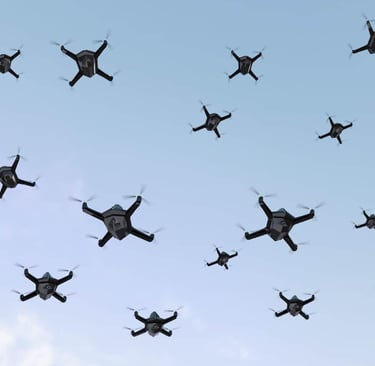
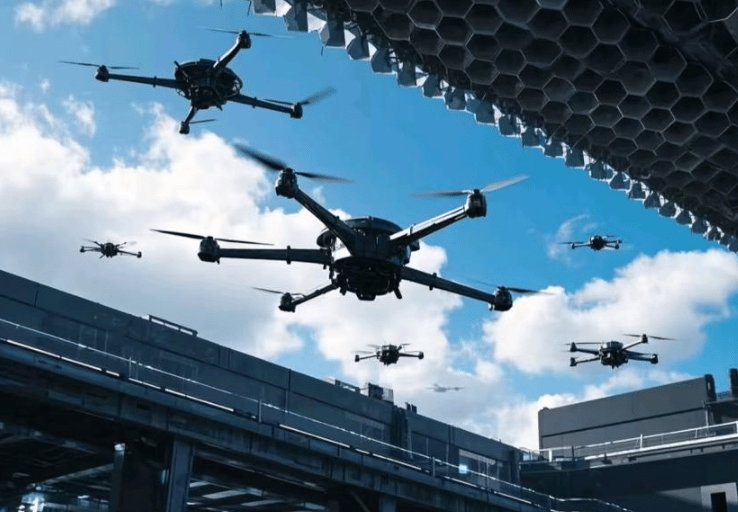
Drone swarm technology is rapidly emerging as one of the most exciting innovations in the unmanned aerial vehicle (UAV) industry. Unlike traditional drone operations that depend on a single aircraft controlled by one operator, drone swarm systems allow multiple drones to operate together as an intelligent network. These drones can communicate with each other, share information, and coordinate their movements to complete complex missions more efficiently.
The concept of drone swarms is inspired by natural systems such as groups of birds or insects that work together to achieve common goals. In modern applications, artificial intelligence (AI), advanced sensors, and wireless communication technologies allow multiple drones to perform tasks with greater accuracy and speed. Instead of requiring constant manual control, swarm drones can analyze situations, make decisions, and adjust their operations automatically.
How Drone Swarm Technology Works
A drone swarm is powered by a combination of artificial intelligence, machine learning algorithms, GPS navigation, sensors, and high-speed communication networks. Each drone within the swarm can exchange information with other units, creating a connected system that improves overall performance.
For example, when a group of drones is assigned to survey a large area, the system can automatically divide the mission into smaller sections. Each drone can focus on a specific area while sharing collected data with the rest of the group. This reduces duplicated work and allows operations to be completed much faster than using a single drone.
Advanced obstacle avoidance systems also help swarm drones operate safely in complex environments. Using cameras, LiDAR sensors, and other detection technologies, drones can identify obstacles, adjust flight paths, and maintain safe distances from each other during missions.
AI Makes Drone Operations Smarter
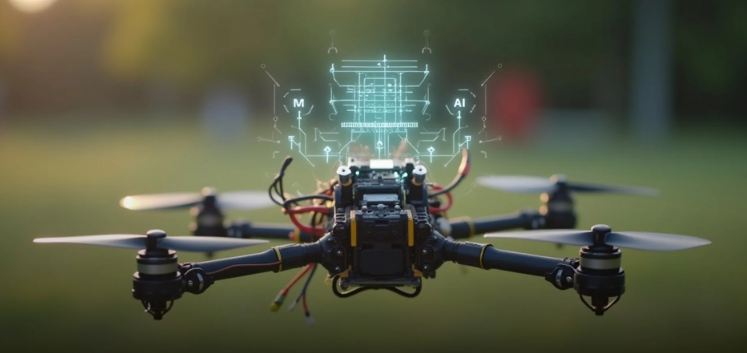
Artificial intelligence is one of the most important technologies driving the development of drone swarms. AI allows drones to process large amounts of information and respond to changing conditions without requiring direct human instructions.
Modern AI-powered drone systems can recognize objects, analyze images, detect environmental changes, and optimize flight routes. These capabilities are especially valuable in industries where quick decision-making and accurate data collection are essential.
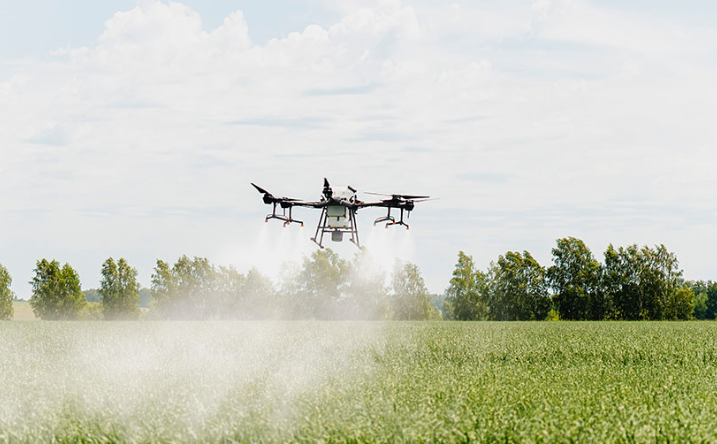
For example, in agriculture, AI drone swarms can analyze crop conditions, identify areas affected by disease, and provide farmers with detailed information about field health. In industrial environments, AI can help drones detect equipment problems before they become serious failures, reducing maintenance costs and improving safety.
Industrial Applications of Drone Swarms
The commercial potential of drone swarm technology is expanding across many industries. Companies are exploring new ways to use multiple coordinated drones to improve productivity and reduce operational challenges.
Infrastructure Inspection
Infrastructure inspection is one of the most promising applications for drone swarms. Large structures such as bridges, pipelines, communication towers, and power networks require regular monitoring to ensure safety and reliability.
A single drone may need many hours or even days to complete a large inspection project. However, a coordinated swarm can divide the workload among multiple aircraft, collecting detailed information from different angles at the same time.
This approach allows companies to identify cracks, damage, corrosion, or other potential problems more quickly. It also reduces the need for workers to access dangerous locations, improving workplace safety.
Agriculture and Smart Farming
Agriculture is another sector benefiting from drone swarm innovation. Traditional farming methods often require significant time and labor to monitor large areas of farmland. Drone swarms can provide farmers with faster and more accurate information about crop conditions.
Multiple drones can work together to collect aerial images, monitor plant growth, measure soil conditions, and support precision farming techniques. By analyzing collected data, farmers can make better decisions about irrigation, fertilization, and pest control.
This technology helps increase agricultural productivity while reducing resource waste and environmental impact.
Emergency Response and Disaster Management
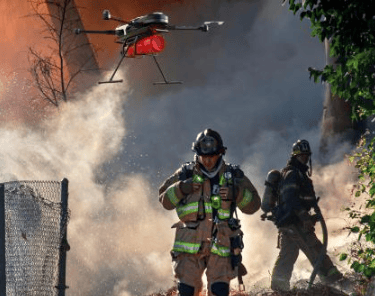
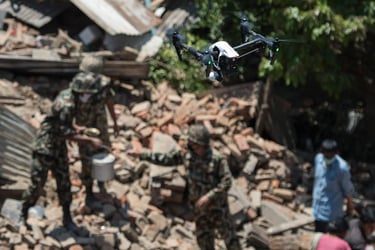
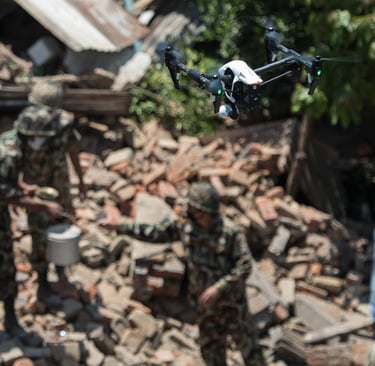
Drone swarms can also support emergency response teams during natural disasters and rescue operations. After earthquakes, floods, wildfires, or storms, large areas may become dangerous or difficult for humans to access.
A swarm of drones can quickly search wide regions, provide real-time video information, and identify locations where assistance is needed. Thermal cameras and advanced sensors allow drones to detect heat signatures and locate people even in challenging conditions.
By providing fast situational awareness, drone swarms can help emergency organizations respond more effectively and protect human lives.
Benefits of Drone Swarm Technology
The main advantage of drone swarms is efficiency. Multiple drones working together can complete missions faster than traditional single-drone operations. This makes them valuable for industries that require large-scale data collection and continuous monitoring.
Another important benefit is flexibility. Drone swarms can be adjusted based on different mission requirements. Additional drones can be added for larger projects, while smaller groups can handle simpler tasks.
Cost reduction is also a major advantage. Although developing swarm systems requires advanced technology, companies can reduce long-term operational expenses by improving efficiency, reducing labor requirements, and minimizing equipment downtime.
Safety improvement is another key factor. By allowing drones to perform dangerous tasks instead of human workers, companies can reduce workplace risks in industries such as energy, construction, and mining.
Challenges Facing Drone Swarm Development
Despite the potential benefits, drone swarm technology still faces several challenges before becoming widely adopted.
One major challenge is regulation. Aviation authorities around the world are developing new rules for autonomous drone operations, especially when multiple drones operate in shared airspace. Ensuring safe integration with existing aviation systems remains an important priority.
Cybersecurity is another concern. Since drone swarms rely on communication networks, protecting systems from unauthorized access or interference is essential. Developers are focusing on stronger encryption and secure communication methods to improve reliability.
Battery performance is also a limitation. Many drones still have restricted flight times due to current battery technology. Researchers are working on improved batteries, energy-efficient designs, and alternative power systems to extend operational capabilities.
The Future of Drone Swarm Innovation
The future of drone swarm technology looks promising as artificial intelligence, robotics, and communication systems continue to advance. Future drone swarms are expected to become more autonomous, intelligent, and capable of handling increasingly complex missions.
Industries such as logistics, environmental research, security, and scientific exploration are expected to benefit from continued development. For example, drone swarms may support wildlife monitoring, climate research, large-scale mapping, and automated delivery networks.
The combination of AI and autonomous flight technology will likely create new opportunities for businesses and governments worldwide. As hardware becomes more affordable and regulations become clearer, drone swarm systems may become a standard tool for many professional applications.
Conclusion
Drone swarm technology represents a major step forward in the evolution of unmanned aerial vehicles. By combining multiple drones with artificial intelligence and advanced communication systems, organizations can achieve faster, safer, and more efficient operations.
Although challenges such as regulation, cybersecurity, and battery limitations remain, continuous innovation is helping overcome these obstacles. As the technology develops, drone swarms are expected to transform industries and create new possibilities across commercial, scientific, and public sectors.
The future of drones is no longer limited to individual aircraft. The next generation of UAV technology will focus on intelligent collaboration, where groups of drones work together to solve complex challenges and improve the way industries operate.

Social Media
Contact
Newsletter
+856 20 97 510 070
© 2026. All rights reserved.