

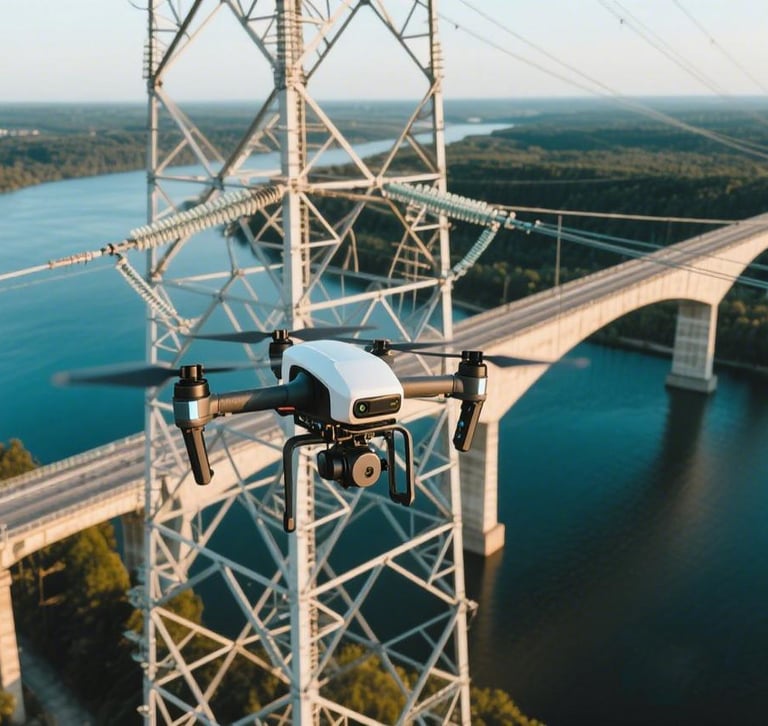
AI Drones Shape the Future
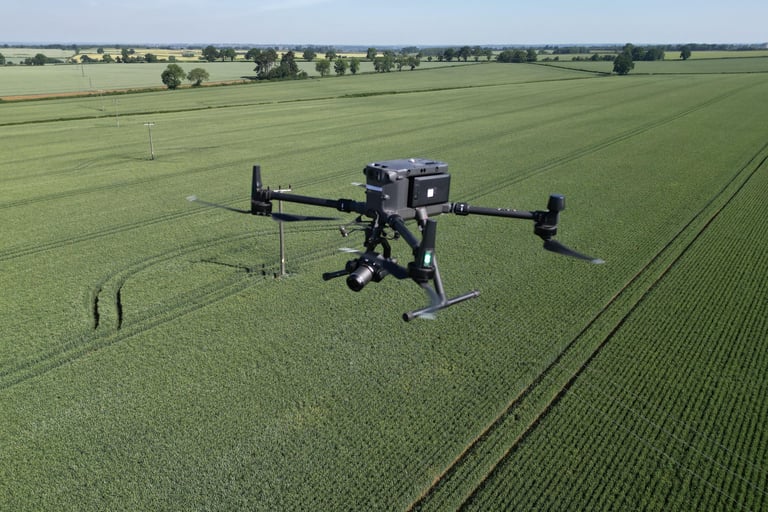
AI-powered drones are making flights smarter, safer, and more efficient. Their use continues to grow across agriculture, construction, and aerial inspection in 2026.
Drone Technology Continues to Transform Industries in 2026
July 2026
Drone technology is evolving faster than ever, and 2026 is proving to be another milestone year for the industry. Once considered specialized tools used primarily by hobbyists and photographers, drones have become valuable assets across a wide range of commercial and public service sectors. Improvements in artificial intelligence, battery performance, navigation systems, and imaging technology are enabling unmanned aerial vehicles (UAVs) to perform tasks that were once difficult, expensive, or even impossible.
Today, drones are helping businesses increase productivity, improve workplace safety, and gather detailed data in a fraction of the time required by traditional methods. From monitoring crops and inspecting infrastructure to assisting emergency responders and capturing cinematic aerial footage, drones continue to demonstrate their versatility and value. As innovation accelerates, industry experts expect the role of drones to expand even further throughout the coming years.
Artificial Intelligence Is Making Drones Smarter
One of the most significant developments in 2026 is the integration of advanced artificial intelligence into commercial drone systems. AI is changing how drones operate by allowing them to make intelligent decisions during flight rather than relying solely on manual pilot input.
Modern drones can recognize obstacles, identify objects, track moving subjects, and automatically adjust their flight paths in real time. These capabilities improve flight safety while reducing the workload for operators. AI-powered drones are also capable of performing repetitive inspection missions with remarkable consistency, making them ideal for industries that require accurate and repeatable data collection.
Machine learning algorithms continue to improve image recognition and data analysis, enabling drones to identify damaged equipment, monitor construction progress, detect crop diseases, and generate detailed reports more efficiently than ever before.
Longer Flight Times Expand Possibilities
Battery technology has also seen meaningful improvements in recent years. Manufacturers continue to develop lighter batteries with higher energy density, allowing drones to remain airborne for longer periods without increasing overall weight.
Extended flight times reduce operational interruptions caused by battery changes and enable pilots to complete larger surveying or inspection missions in a single flight. This increased efficiency benefits industries such as agriculture, infrastructure inspection, environmental monitoring, and mapping, where covering large areas is often essential.
At the same time, improvements in motor efficiency and lightweight composite materials contribute to better overall performance. Together, these innovations allow drones to travel farther while carrying advanced cameras, sensors, and other specialized equipment.
Agriculture Continues to Benefit
Agriculture remains one of the fastest-growing sectors for drone technology. Farmers are increasingly relying on aerial data to improve crop management and maximize productivity while reducing unnecessary costs.
Using high-resolution RGB cameras, multispectral sensors, and thermal imaging, drones can quickly identify areas experiencing water stress, nutrient deficiencies, pest infestations, or disease before problems become visible from the ground. Early detection allows farmers to respond more quickly, helping protect crop yields while minimizing chemical usage.
Drone-generated maps also assist with irrigation planning, fertilizer application, and field analysis. Instead of treating an entire field equally, farmers can focus resources only where they are needed, improving efficiency and promoting more sustainable agricultural practices.
As agricultural technology continues to evolve, drones are expected to play an increasingly important role in precision farming around the world.
Construction and Infrastructure Inspection
Construction companies are using drones to monitor project progress, create accurate site maps, and improve communication between project teams. Regular aerial surveys provide managers with updated visual records that help identify delays, measure completed work, and compare actual progress with project plans.
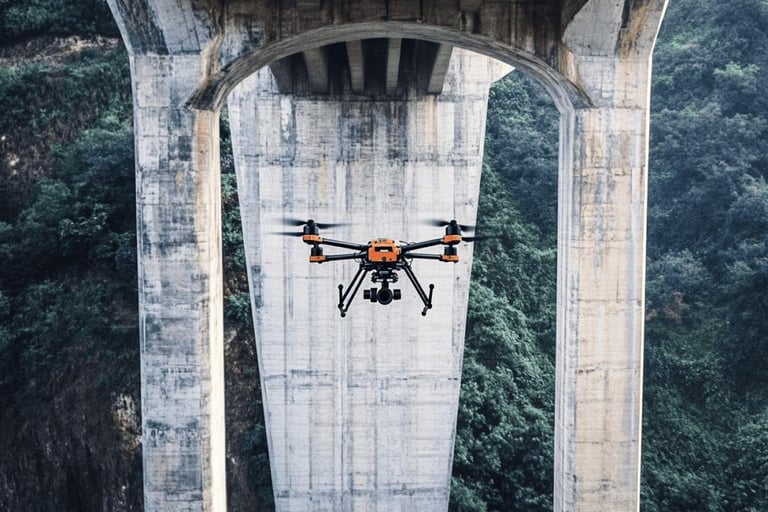
Infrastructure inspection has also become safer through drone adoption. Bridges, transmission towers, wind turbines, pipelines, and communication structures often require inspections in locations that are hazardous or difficult for workers to access.
Equipped with high-resolution zoom cameras and thermal sensors, drones allow inspectors to examine structures from multiple angles without exposing personnel to unnecessary risk. Digital inspection records can be stored and compared over time, making maintenance planning more efficient and cost-effective.
Emergency Response and Public Safety
Emergency services continue to discover new applications for drone technology. During search and rescue operations, drones equipped with thermal imaging cameras can locate missing persons more quickly, especially in remote or heavily wooded environments.
Fire departments increasingly deploy drones to assess wildfire conditions, identify hotspots, and monitor fire movement from safe distances. Live aerial video provides incident commanders with valuable situational awareness that supports faster and more informed decision-making.
Police agencies also use drones for traffic accident documentation, disaster assessment, and large public event monitoring. By providing aerial perspectives in real time, drones help responders coordinate resources more effectively while improving overall public safety.
Logistics and Delivery Services
Although widespread autonomous package delivery is still developing, many companies continue to invest heavily in drone logistics. Pilot programs in several regions demonstrate how drones can transport lightweight packages, medical supplies, and emergency equipment quickly and efficiently.
For remote communities or disaster-affected areas where roads may be damaged or inaccessible, drones provide a practical solution for delivering essential items. Medical organizations are exploring drone transportation for vaccines, blood samples, and urgent medications, reducing delivery times while improving healthcare accessibility.
As aviation regulations continue to evolve and autonomous flight systems become more reliable, commercial drone delivery is expected to expand steadily in the coming years.
Aerial Photography and Content Creation
The creative industry remains one of the most visible users of drone technology. Professional photographers, filmmakers, travel creators, and social media influencers continue to rely on drones to capture dramatic aerial perspectives that were previously difficult or expensive to obtain.
Advances in camera stabilization, obstacle sensing, and intelligent flight modes allow creators to produce smoother footage with less manual effort. Features such as automated subject tracking, orbit modes, and waypoint missions make professional-quality aerial cinematography accessible to both experienced pilots and newcomers.
As video quality continues improving, drones are becoming essential equipment for producing marketing campaigns, tourism promotions, sports broadcasts, documentaries, and real estate presentations.
Environmental Monitoring
Environmental organizations are increasingly using drones to monitor forests, coastlines, wildlife habitats, and natural resources. Compared with traditional surveying methods, drones can gather accurate environmental data more quickly while reducing operational costs.
Researchers use drones to observe wildlife populations with minimal disturbance, monitor shoreline erosion, assess flood damage, and evaluate the health of forests after storms or wildfires. These aerial observations support conservation efforts by providing detailed information that helps scientists make informed decisions.
The combination of satellite imagery and drone-collected data offers an increasingly comprehensive understanding of environmental changes over time.
Improvements in Safety and Regulation
As drone adoption grows worldwide, aviation authorities continue refining regulations to balance innovation with public safety. Manufacturers are responding by incorporating additional safety technologies into new drone models.
Features such as automatic return-to-home, geofencing, obstacle avoidance, redundant navigation systems, and emergency landing capabilities have become increasingly common. These technologies help reduce accidents while making drone operations safer for both operators and the public.
Many countries are also expanding certification programs for commercial drone pilots, encouraging responsible operation while supporting the continued growth of the industry.
Looking Toward the Future
The future of drone technology appears exceptionally promising. Continued advances in artificial intelligence, autonomous navigation, battery efficiency, and communication systems will enable drones to perform increasingly sophisticated missions with minimal human intervention.
Emerging technologies such as drone swarms, edge computing, real-time cloud connectivity, and beyond visual line of sight (BVLOS) operations have the potential to reshape industries ranging from logistics and infrastructure to environmental science and public safety.
While challenges such as regulation, cybersecurity, and airspace integration remain important considerations, ongoing collaboration between manufacturers, regulators, and industry professionals continues to drive responsible innovation.
For businesses, governments, researchers, and technology enthusiasts alike, drones are no longer simply flying cameras—they are becoming intelligent aerial platforms capable of solving complex problems across countless industries. As 2026 continues, drone technology stands at the forefront of innovation, creating new opportunities and transforming the way people work, create, and explore the world from above.
Social Media
Contact
Newsletter
+86 156 8454 3412
© 2026. All rights reserved.