Drone Technology Continues to Transform Global Industries
Drone technology is advancing rapidly, with businesses worldwide adopting unmanned aircraft for inspections, agriculture, mapping, and emergency response.
Global Drone Industry News – July 2026
Drone Technology Expands Beyond Aerial Photography
The global drone industry continues to evolve rapidly as unmanned aircraft become essential tools across commercial, industrial, agricultural, environmental, and public safety sectors. In the early years of consumer drone adoption, drones were mostly associated with aerial photography, travel videos, social media content, and recreational flying. Today, however, the industry has moved far beyond simple camera drones.
Modern drones are now being used to collect data, inspect infrastructure, support emergency response teams, monitor crops, improve logistics, and assist companies in making faster and more informed decisions. As technology improves and regulations become more developed, drones are becoming a practical part of everyday operations for many organizations around the world.
Manufacturers are introducing aircraft with longer flight endurance, stronger communication systems, improved obstacle detection, and more advanced autonomous navigation. These improvements allow drones to complete missions that would have been difficult, expensive, or dangerous only a few years ago. From inspecting power lines to mapping construction sites, drones are helping reduce risk, save time, and improve efficiency.
One of the biggest changes in the drone industry is the growing use of artificial intelligence. AI-powered drones can now recognize objects, detect changes in terrain, follow pre-planned routes, and collect real-time data with greater accuracy. Instead of simply recording video, these drones can analyze information during flight and help operators make faster decisions.
This shift is transforming drones from flying cameras into intelligent aerial systems.
Growing Adoption Across Industries
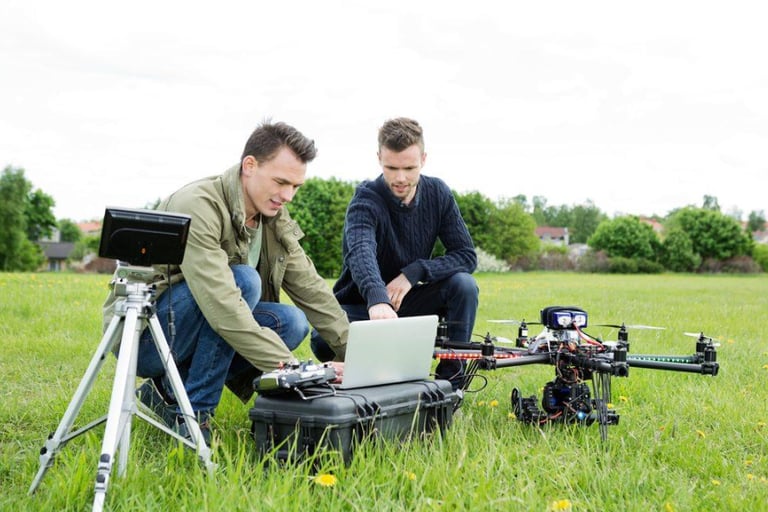
Businesses across many sectors are continuing to integrate drones into their daily operations. Construction companies use drones to capture aerial surveys, track project progress, measure materials, and create updated maps of job sites. These aerial views help project managers identify delays, improve safety planning, and communicate progress with clients and teams.
For large construction projects, drone mapping can reduce the need for manual site inspections. Instead of walking across difficult or hazardous areas, teams can review aerial images, 3D maps, and measurement data from a computer. This saves time and helps reduce workplace risks.
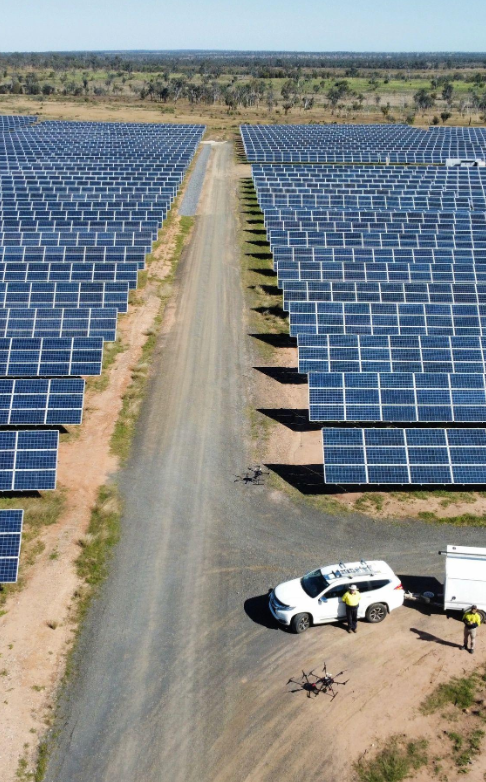
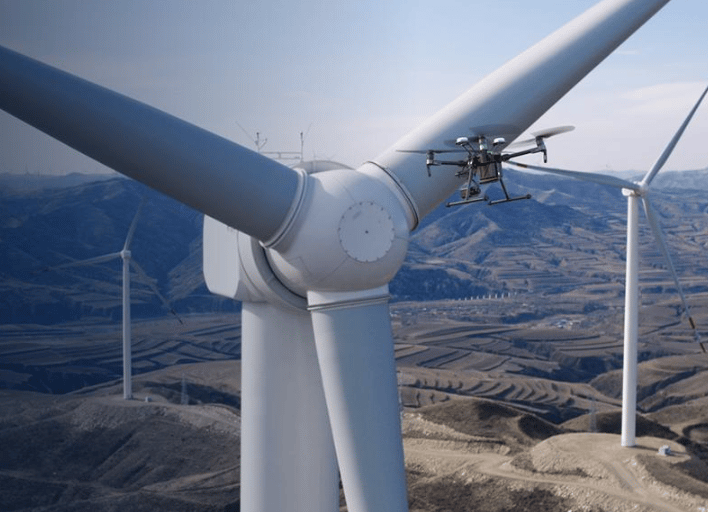
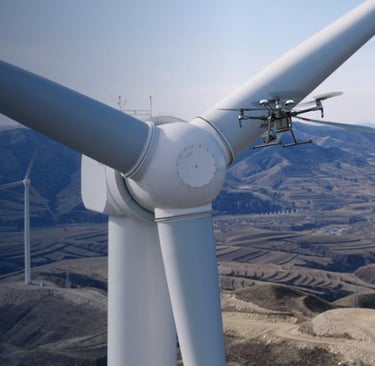
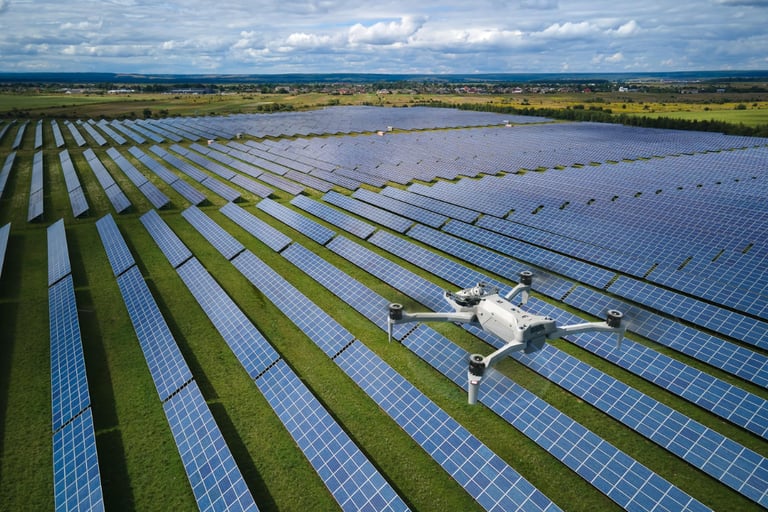
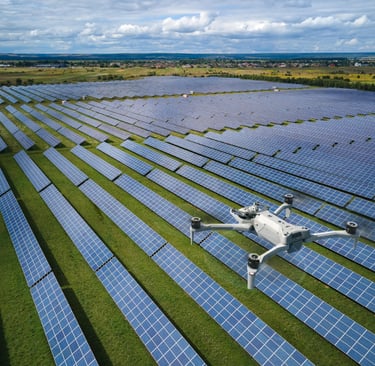
Utility companies are also adopting drone technology at a growing pace. Power lines, wind turbines, solar farms, pipelines, and communication towers often require regular inspection. Traditionally, these tasks could involve helicopters, climbing crews, or workers entering dangerous areas. Drones make it possible to inspect these assets more safely and efficiently.
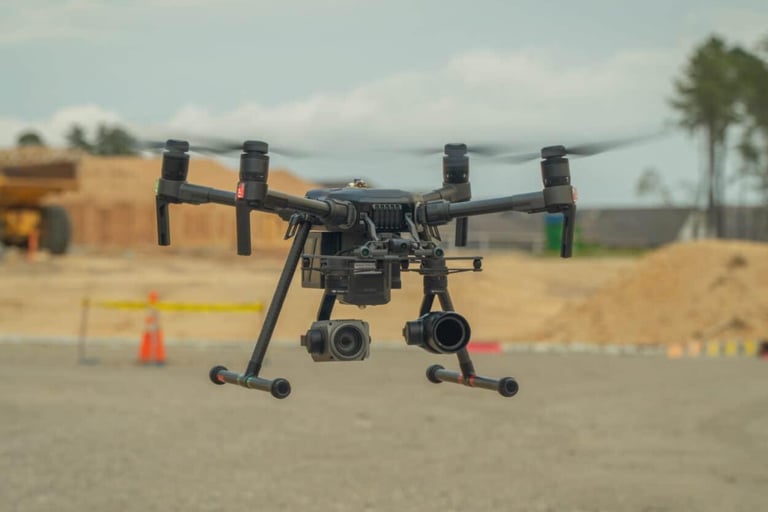
Equipped with zoom cameras, thermal sensors, and high-resolution imaging systems, drones can identify damaged equipment, overheating components, corrosion, vegetation risks, and structural issues. This allows utility providers to respond before small problems become expensive failures.
Agriculture Remains a Major Growth Market
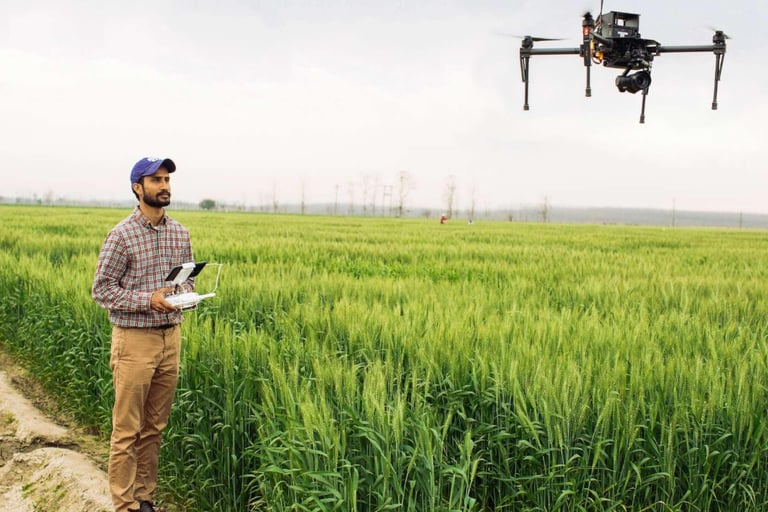
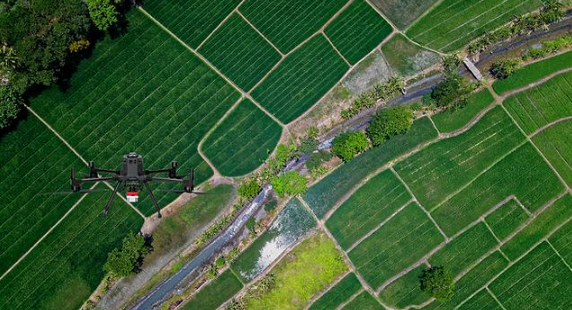
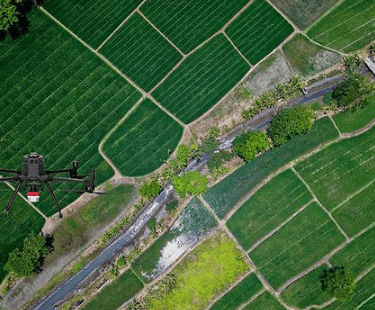
Agriculture continues to be one of the fastest-growing areas for drone technology. Farmers are using drones to monitor crop health, inspect irrigation systems, detect pests, identify dry areas, and evaluate field conditions. With multispectral and thermal cameras, drones can reveal problems that may not be visible from the ground.
This type of aerial data helps farmers make better decisions about water, fertilizer, and pesticide use. Instead of treating an entire field the same way, farmers can target specific areas that need attention. This supports more efficient resource management and may help improve crop yields.
Drones are also useful for large farms where manual inspection takes too much time. A drone can cover a wide area quickly, giving farmers a clearer picture of what is happening across their land. As farming becomes more data-driven, drones are expected to play an even larger role in precision agriculture.
In some regions, agricultural drones are also being used for spraying, seed spreading, and livestock monitoring. These applications can reduce labor demands and improve productivity, especially in areas where farmers face worker shortages or difficult terrain.
Emergency Response and Public Safety Applications
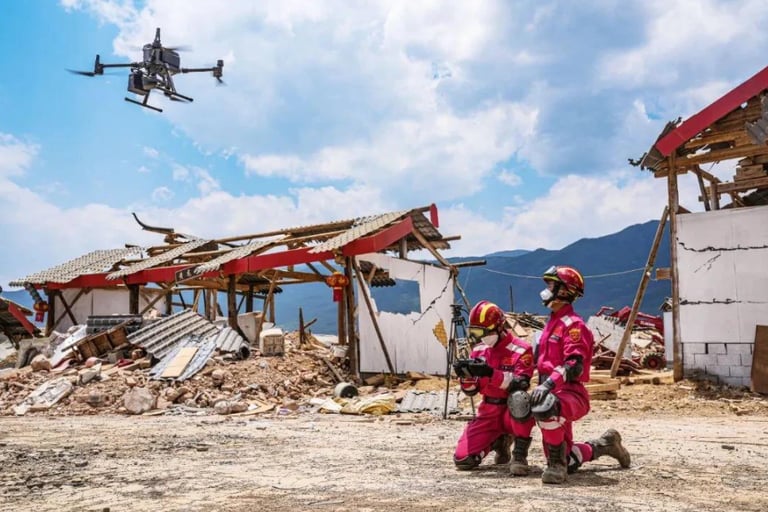
Emergency response organizations are also exploring new drone applications. Drones equipped with thermal cameras, night vision systems, speakers, lights, and mapping tools can support search-and-rescue missions, disaster assessment, firefighting, and law enforcement operations.
During search-and-rescue missions, drones can cover large areas faster than ground teams. Thermal cameras can help locate missing people in forests, mountains, or disaster zones, especially in low-light conditions. This can save valuable time when every minute matters.
After natural disasters such as floods, earthquakes, storms, or wildfires, drones can provide real-time aerial information without putting emergency workers in dangerous situations. They can assess damaged buildings, blocked roads, flooded areas, and fire movement. This information helps emergency teams plan safer and more effective responses.
Fire departments are increasingly using drones to monitor fire behavior, identify hot spots, and evaluate structural risks. In large wildfire situations, drones can support aerial awareness and help teams understand how conditions are changing.
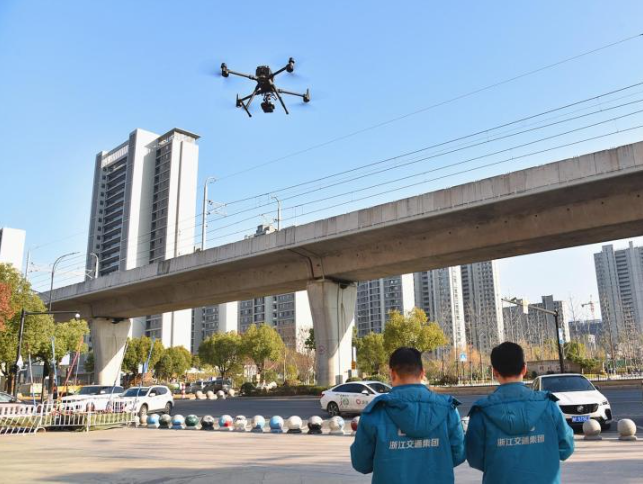
Public safety agencies are also using drones for crowd monitoring, traffic accident assessment, and crime scene documentation. However, these uses also raise important questions about privacy, data security, and responsible operation. As drone use expands in public safety, clear rules and community trust will remain important.
Artificial Intelligence Changes Drone Capabilities
Artificial intelligence is becoming one of the most important developments in drone technology. AI allows drones to do more than follow basic commands. It enables them to recognize patterns, detect objects, avoid obstacles, and respond to changing environments.
For example, an AI-powered inspection drone can identify cracks in infrastructure, detect missing parts, or compare current images with previous inspection records. In agriculture, AI can help identify unhealthy crops, pest damage, or irrigation issues. In security applications, AI can help detect unusual activity or track movement in a defined area.
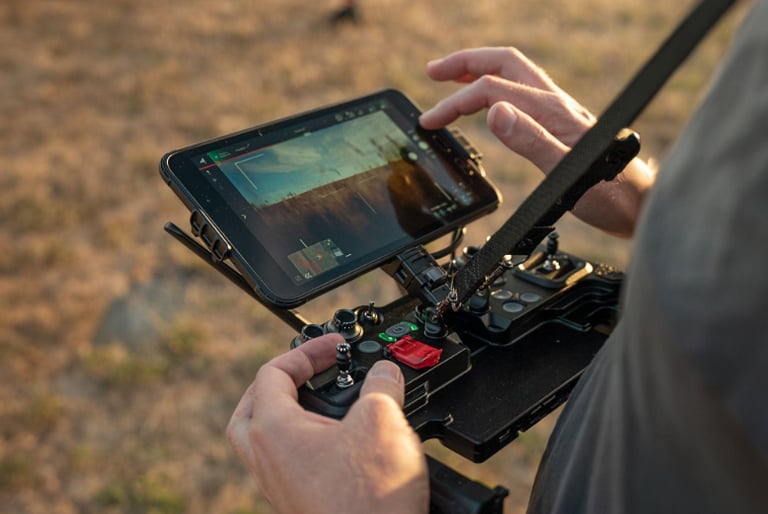
Autonomous navigation is also improving. Many drones can now follow programmed flight paths with minimal pilot input. Some advanced systems can adjust routes automatically if they detect obstacles or changing conditions. This makes drones more useful for repetitive tasks such as surveying, mapping, and infrastructure inspection.
As AI becomes more accurate and affordable, businesses will be able to automate more drone operations. This could reduce costs and allow drone teams to manage larger projects with fewer manual steps.
Battery Life and Flight Endurance Improve
Battery technology remains one of the key areas of development in the drone industry. Longer flight times allow drones to cover more distance, inspect larger areas, and complete more complex missions without frequent battery changes.
Many commercial drones now offer improved endurance compared to earlier models. Some specialized aircraft use hybrid power systems, larger batteries, or fixed-wing designs to achieve longer flight ranges. These improvements are especially important for mapping, agriculture, environmental monitoring, and long-distance inspection.
Better batteries also improve reliability. For professional operators, flight time is not just about convenience. It affects mission planning, data quality, and operational cost. A drone that can stay in the air longer can often complete a job faster and with fewer interruptions.
However, battery limitations still remain a challenge. Weather, payload weight, wind, and flight speed can all reduce actual flight time. This is why manufacturers continue to invest in more efficient motors, lighter materials, and smarter power management systems.
Regulations Continue to Evolve
As drone activity increases worldwide, aviation authorities are updating regulations to support safe integration into shared airspace. Many countries are introducing digital flight authorization systems, remote identification requirements, pilot training standards, and clearer rules for commercial operations.
The goal is to allow innovation while protecting people, property, privacy, and other aircraft. As more drones enter the sky, regulators need systems that can manage airspace safely and efficiently.
Remote identification is becoming an important part of drone regulation. It allows authorities to identify drones in flight and understand who is operating them. This can help improve accountability and reduce unsafe or illegal flying.
Many countries are also focusing on pilot education. New drone users may not always understand airspace rules, altitude limits, restricted areas, or privacy concerns. Education programs help encourage responsible flying and reduce accidents.
Industry observers expect future regulations to focus on enabling more advanced operations, including longer-range autonomous flights, delivery services, and operations beyond visual line of sight. These advanced use cases could unlock major commercial opportunities, but they require strong safety systems and reliable communication technology.
Drone Delivery and Logistics Continue Developing
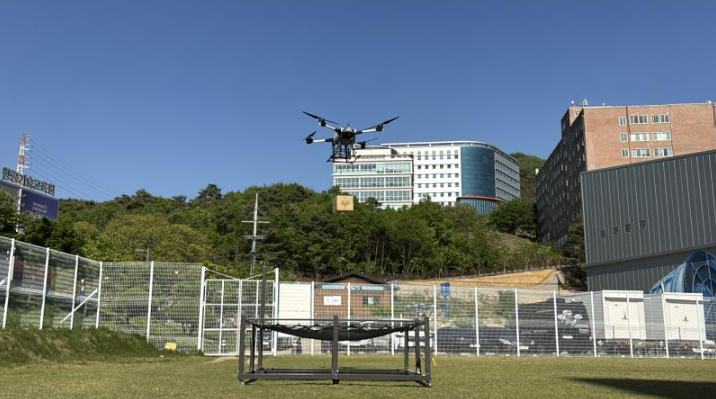
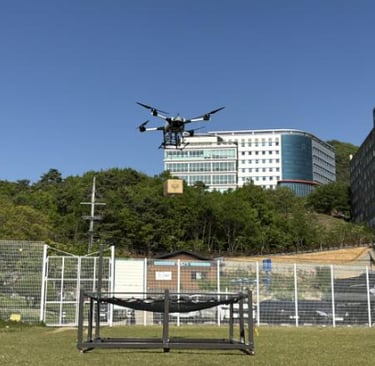
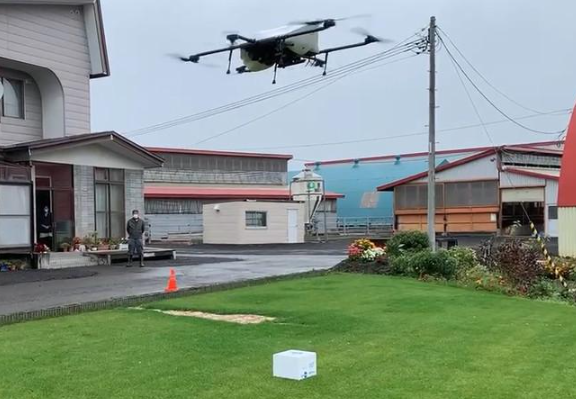
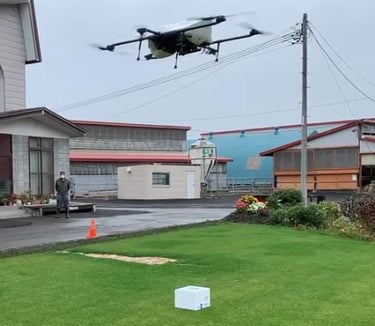
Drone delivery remains one of the most discussed opportunities in the industry. Companies are testing drone delivery for medical supplies, food, consumer goods, and emergency equipment. While widespread drone delivery is not yet common in many areas, progress continues.
Medical delivery is one of the most promising use cases. Drones can transport blood samples, medicine, vaccines, and emergency supplies to remote or hard-to-reach locations. In areas with poor road infrastructure, drones may offer a faster and more reliable delivery option.
Urban drone delivery still faces challenges, including noise, safety, landing zones, airspace management, and public acceptance. However, as technology and regulation improve, drone logistics may become more practical in selected markets.
Rather than replacing traditional delivery systems completely, drones are more likely to support specific delivery needs where speed, distance, or accessibility are major factors.
Environmental Monitoring and Conservation
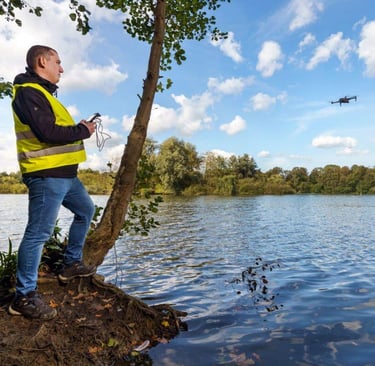
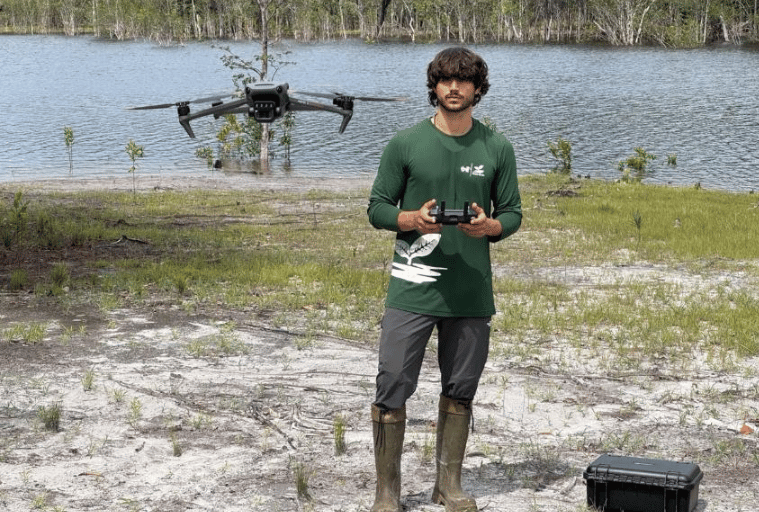
Drones are also becoming valuable tools for environmental monitoring. Researchers and conservation teams use drones to track wildlife, monitor forests, inspect coastlines, measure erosion, and observe changes in ecosystems.
Compared with traditional aircraft, drones are often cheaper, quieter, and easier to deploy. They can collect high-quality data without disturbing sensitive environments as much as ground teams or larger vehicles.
In forestry, drones can help detect illegal logging, monitor tree health, and assess wildfire damage. In coastal areas, they can map erosion, track pollution, and monitor marine habitats. Conservation groups may use drones to count animals, observe migration patterns, or protect endangered species.
As climate change increases the need for accurate environmental data, drones are expected to become even more important for research and conservation work.
Looking Ahead
The drone industry shows no signs of slowing down. Continued investment in battery technology, artificial intelligence, communication systems, automation, and sensor development is expected to unlock new commercial opportunities over the coming years.
As drones become more capable, they will likely become a normal part of infrastructure management, agriculture, public safety, environmental monitoring, logistics, and industrial inspection. Businesses that adopt drone technology early may gain advantages through faster data collection, lower operating costs, and improved safety.
At the same time, responsible use will remain essential. Drone operators must stay informed about regulations, privacy expectations, safety procedures, and best practices. The future of the drone industry depends not only on better technology, but also on trust, training, and responsible operation.
For businesses and professionals working in the drone sector, staying updated on industry trends will be important. The next generation of unmanned aircraft is expected to deliver greater efficiency, enhanced safety features, smarter automation, and expanded capabilities that could reshape how aerial operations are conducted across many industries.
Drones are no longer just tools for capturing beautiful aerial footage. They are becoming intelligent systems that help industries see more clearly, act more quickly, and work more safely. As technology continues to mature, drones are likely to become one of the most important tools in the future of connected, data-driven operations.
Social Media
Contact
Newsletter
+856 20 97 510 070
© 2026. All rights reserved.