
FPV Drone Guide for Beginners: Parts and First Flight Tips
Read this FPV Drone Guide for Beginners covering drone parts, starter kits, goggles, controllers, batteries, setup basics, and first flight tips for new pilots.
7/6/20268 min read
Introduction to FPV Drones
First-person view (FPV) drones represent a unique and popular segment of the broader drone market, distinguished by their ability to deliver an immersive flying experience. Unlike traditional remote-control drones that offer a third-person perspective through a camera feed, FPV drones utilize a video transmission system to relay real-time footage directly to the pilot's goggles or screen. This creates the sensation of flying from the perspective of the drone itself, enhancing the pilot's connection to the aircraft and the environment.
The popularity of FPV drones among both hobbyists and professionals can be attributed to their exhilarating experience, precise maneuverability, and the potential for competitive flying. FPV racing has emerged as a dynamic sport, where pilots navigate through obstacle courses at high speeds, showcasing their skill and control. Moreover, the versatility of FPV drones makes them suitable for various applications beyond recreational flying; they are also used in fields such as aerial photography, surveillance, and search-and-rescue operations.
One key advantage of FPV drones is their ability to offer a unique perspective and access to areas that might be difficult to reach. This functionality is particularly appealing to filmmakers and photographers, as it allows them to capture stunning aerial shots with unparalleled creativity. Furthermore, the technological advancements in FPV drone components, such as improved cameras, flight controllers, and battery life, have contributed to their increased appeal, making the experience more accessible to newcomers.
As the market continues to grow, understanding the distinct features and capabilities of FPV drones is essential for anyone looking to embark on this thrilling hobby. In the following sections, we will delve deeper into the various components, kits, and tips for beginners planning their first flight.
Essential Parts of an FPV Drone
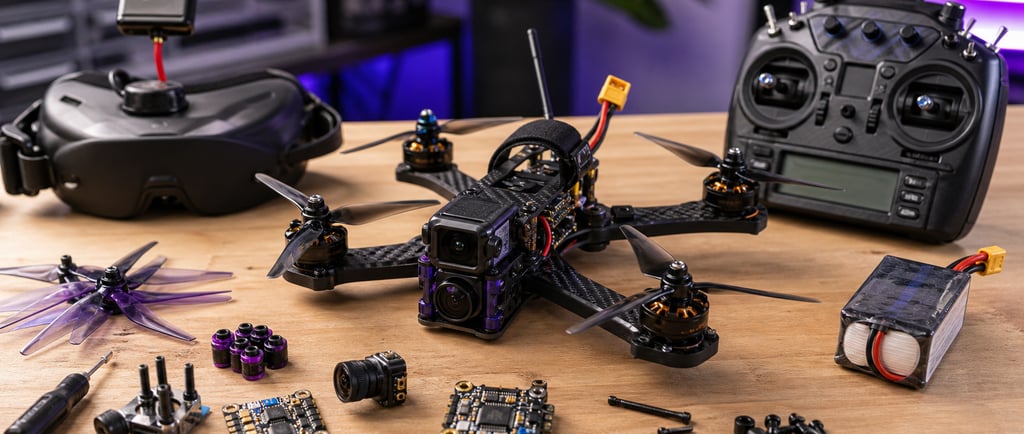
Understanding the essential components of an FPV drone is crucial for beginners looking to build or operate their own drone system. Each part plays a vital role in ensuring the drone functions correctly while providing an immersive flying experience.
The first component is the frame, which serves as the drone's structural foundation. Frames come in various sizes and designs, with materials ranging from plastic to carbon fiber. A well-designed frame impacts weight, durability, and aerodynamics, thus affecting overall flight performance.
Next, we have the motors, integral to propulsion. The choice of motors is influenced by the drone’s size, weight, and intended use. Brushless motors are common in FPV drones due to their efficiency and longevity. Their power output is typically measured in Kv (RPM per volt), and selecting the right motor can significantly enhance the drone’s agility and speed.
The flight controller is perhaps one of the most critical components. It acts as the brain of the drone, processing data from various sensors such as gyroscopes and accelerometers to maintain stability during flight. Various flight controllers range from basic to advanced models, which can offer additional features like GPS functionality and automated flight modes.
Another essential part is the camera, which allows the pilot to see from the drone's perspective. FPV cameras come in varying resolutions and field of views, impacting the quality of the visual experience. A high-quality camera is paramount for racing or capturing aerial footage.
Lastly, FPV goggles enable pilots to experience first-person view flying. These goggles display a live feed from the drone’s camera, offering an immersive experience. The choice of FPV goggles can greatly affect comfort and clarity during flight, making them a key component in the overall setup.
Each of these components plays a critical role in the performance and experience of an FPV drone, making it essential for beginners to understand their functions and significance.
FPV Drone Kits for Beginners
For individuals aspiring to enter the world of FPV (First Person View) drones, selecting the right kit can significantly ease the learning curve. FPV drone kits designed for beginners offer a streamlined approach to building and flying drones, presenting several advantages over constructing a drone from the ground up. One of the primary benefits is the ease of assembly, as these kits typically come with all the necessary components and detailed instructions, reducing the time and effort required for newcomers to get airborne.
Moreover, purchasing a complete FPV drone kit can be more cost-effective than sourcing components individually. By opting for a kit, beginners avoid the pitfalls of overbuying or purchasing incompatible parts, as the components are curated specifically for compatibility. For example, popular beginner kits, such as the EMAX Tinyhawk II or the Eachine Wizard X220, not only include the essential parts like the drone frame, motors, and flight controller but also the necessary accessories, such as batteries and chargers.
Another notable advantage of FPV drone kits is that they often include features and technologies geared toward novice pilots. Beginner-friendly kits often come equipped with stable flight modes and safety features that can prevent crashes and facilitate smooth flying experiences. Many of these kits also provide a set of FPV goggles, allowing pilots to immerse themselves in the flying experience right from their first flight.
As a result, beginners can focus on honing their piloting skills without the added stress of a complicated assembly process or the daunting task of selecting individual components. Ultimately, investing in a quality FPV drone kit empowers newcomers, providing them with the tools necessary to enjoy and explore the exciting realm of FPV flying starting from day one.
Understanding Drone Regulations and Safety
As the popularity of drones continues to rise, it is imperative for beginner pilots to understand the regulations governing their use. These rules are designed not only to safeguard drone operators but also to protect the public and ensure the safe coexistence of manned aircraft with unmanned aerial vehicles (UAVs). One primary requirement is the registration of drones. In many jurisdictions, all drones weighing over a specific limit must be registered with the appropriate aviation authority. Failure to comply can result in penalties, so it's crucial to check local laws before taking flight.
In addition to registration, there are strict guidelines concerning flight altitudes. Most jurisdictions impose a maximum ceiling of 400 feet above ground level for recreational drone activities. Exceeding this altitude may lead to violations of airspace laws and, consequently, safety hazards. Moreover, drone pilots must be aware of no-fly zones, which can include areas like airports, military bases, and crowds of people. Mapping applications and regulatory websites can help identify these zones to ensure compliance.
Safety is another critical consideration for novice drone pilots. Maintaining control and situational awareness during flights is vital. Pilots should consistently monitor their drones’ positions, ensuring they remain within visual line-of-sight. It is also advisable to perform pre-flight checks, including battery levels, camera functionality, and flight mode settings, to prevent malfunctions. Additionally, practicing in open areas free of obstacles will enhance a beginner's flying skills and reduce the risk of accidents.
Ultimately, understanding the regulatory framework and following safety guidelines will contribute to a responsible and enjoyable drone flying experience for beginners.
Preparing for Your First Flight
Embarking on your first flight with an FPV (First Person View) drone can be an exhilarating experience, but it requires careful preparation. Prior to taking to the skies, it is crucial to complete a series of pre-flight checks to ensure a successful launch. Begin by examining the drone's physical components, including the propellers, battery, and frame.
The first step is to ensure that the propellers are securely attached and free from any damage. Any imperfections or loose components could lead to catastrophic failures during flight. Next, inspect the battery for any signs of wear, and ensure it is properly charged. Most FPV drones can utilize lithium polymer (LiPo) batteries, requiring specific charging procedures: always follow the instructions provided by the manufacturer to avoid damaging the battery or increasing the risk of fire.
Additionally, calibrating the drone’s components is vital for a stable flight experience. Calibration typically involves leveling the drone and ensuring that the gyroscope and accelerometer are functioning correctly. Refer to the user manual for detailed instructions, as procedures may vary depending on the model.
Equally important is selecting an appropriate launch location. A wide open space, away from people, pets, and obstacles, is ideal for your maiden flight. Each flight session should also consider weather conditions; light to moderate winds are preferable for beginners, while avoiding flying in rainy or extremely windy conditions. Opting for a calm day will lead to enhanced control and a more enjoyable experience.
With your equipment checked, calibrated, and the weather conditions favorable, you are now overall prepared to embark on the first flight journey with your FPV drone. This foundational preparation sets a strong precedent for future flights as well.
Tips for a Successful First Flight
Flying an FPV drone for the first time can be an exhilarating experience. However, to ensure a smooth takeoff into the world of drone piloting, beginners should heed some essential tips that can enhance their flying skills and confidence. First and foremost, familiarize yourself with the drone’s controls before your first flight. Understanding how each control operates will help mitigate potential mishaps that often occur when flying an unfamiliar model.
Managing flight speed is crucial during the initial flights. New pilots should start with slow and steady movements, gradually increasing the speed as they become more comfortable controlling their drone. Rapid acceleration can lead to loss of control, especially for beginners who might not yet have developed the necessary reflexes to react swiftly to changing situations. This measured approach allows for better management of the drone’s reactions and boosts confidence.
Overcoming common challenges such as drifting and unresponsive controls is essential during your first flying attempts. If your drone starts to drift, gently adjust the controls to bring it back to a stable hover. Establishing a routine where you monitor these factors ensures that you can tackle unexpected situations with ease.
Utilizing FPV goggles can significantly enhance the flying experience. They provide a direct view from the drone's perspective, allowing for more immersive piloting. However, it is advisable to practice with line-of-sight flying first before shifting to an FPV mode. This will ensure that pilots develop a fundamental understanding of spatial awareness, even when viewing via goggles.
Lastly, always prioritize safety by finding an open space with minimal obstacles and avoiding crowded areas. An empty field or large park can provide ample space for safe practice. With these tips, beginners can enjoy their inaugural flights with greater assurance and smoother operating experiences.
Troubleshooting and Maintenance
As you embark on your FPV drone journey, it is essential to familiarize yourself with common issues that beginners might encounter, as well as effective troubleshooting strategies and maintenance practices to enhance the longevity and performance of your drone.
One of the most frequent challenges faced by FPV drone pilots is connectivity problems. These can arise from interference caused by other electronic devices or obstacles obstructing the signal between the transmitter and the drone. To mitigate such issues, ensure that your antennas are positioned to maximize signal strength, and test your equipment in an open area free from obstructive structures. If you notice frequent disconnections during flights, consider updating your firmware or switching to a different frequency channel.
Another prevalent issue is flight instability, which may be attributed to improper calibration of the drone's sensors or a poorly adjusted PID (Proportional, Integral, Derivative) controller. Beginners should regularly calibrate their drones according to the manufacturer's guidelines, ensuring that all sensors function correctly. In addition, fine-tuning PID settings can significantly enhance the responsiveness and stability during flight. Online communities and forums are excellent resources for sharing tailored settings according to individual drone models.
Battery issues are also common, particularly regarding charging and maintaining battery health. Always use the correct charger for your battery type and avoid over-discharging by adhering to the recommended voltage levels. Regularly check your batteries for signs of swelling or damage and replace them when necessary to ensure safety during flights. Implementing proper storage practices, such as keeping batteries at a partial charge when not in use, can extend their overall lifespan.
In summary, understanding how to troubleshoot and maintain your FPV drone is crucial for a successful flying experience. By addressing connectivity problems, flight instability, and battery management, you can enjoy safer and more stable flights while maximizing the performance of your equipment.
Social Media
Contact
Newsletter
+86 156 8454 3412
© 2026. All rights reserved.