
FPV Drone Setup Guide for New Pilots
Follow this FPV Drone Setup Guide to learn the essentials, including goggles, radio controller, batteries, charger, safety checks, and first flight preparation.
7/7/20268 min read
What is an FPV Drone?
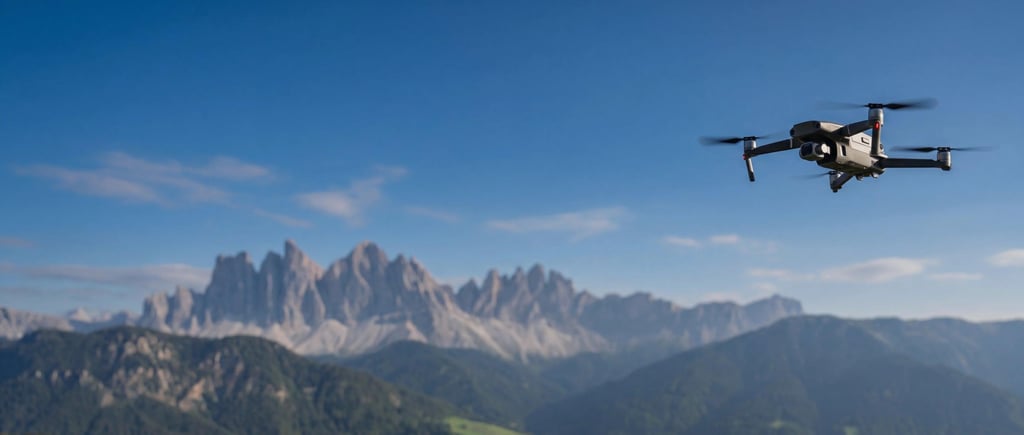
FPV, or First Person View, drones offer a unique flying experience that allows pilots to immerse themselves in the action through live video feeds. These drones are equipped with cameras that transmit real-time video directly to the pilot’s goggles or screen, creating a sensation akin to flying from the pilot's perspective. This technology enhances the flying experience, providing users with a more interactive way to explore the environment and engage in various aerial activities.
FPV drones serve multiple purposes, making them highly versatile. Racing is among the most popular applications; pilots navigate through challenging courses at high speeds, competing for the best time and precision. Freestyle flying, on the other hand, emphasizes acrobatics and creative maneuvers, showcasing the pilot's skills and the drone's capabilities. For enthusiasts interested in cinematography, FPV drones equipped with high-definition cameras can capture stunning aerial footage, offering new perspectives for filmmakers and content creators.
Long-range flying is another compelling use of FPV drones. This category allows pilots to explore vast landscapes, navigating beyond the visual range while still maintaining control through video feedback. Each of these flying styles requires different types of FPV drones, catering to diverse interests and skill levels. Some models are designed for speed, while others focus on stability and camera quality.
In addition to these primary uses, FPV drones also play a role in search and rescue operations, environmental monitoring, and recreational hobbies. Their adaptability and robust design have made them essential tools across various sectors, and their gaining popularity underscores the growing fascination with drone technology. As the market continues to evolve, more specialized models are likely to emerge, further expanding the possibilities associated with these innovative devices.
Essential Components for FPV Flying
To embark on your journey into the world of First-Person View (FPV) flying, a solid understanding of the necessary components is crucial. Firstly, you will need an FPV drone, which serves as the core of your setup. These drones come in various configurations, so selecting a model that suits your skill level and flying intentions is important. Beginners should consider choosing a ready-to-fly (RTF) drone that requires minimal setup.
Next, a radio controller is essential for maneuvering your drone. This device allows you to communicate with your drone, adjusting its altitude, direction, and speed. Opting for a controller with a comfortable grip and responsive controls can significantly enhance your flying experience.
For an immersive experience, FPV goggles or a monitor are necessary components. FPV goggles provide a direct view from the drone's camera, enabling a more engaging experience, while a monitor can serve as a more user-friendly alternative for those new to FPV flying.
Powering your drone, a set of batteries and a charger is required. It is advisable to have multiple batteries on hand, as flight time is often limited per charge. Always ensure that the battery you choose is compatible with your drone model.
Additionally, propellers are vital for your drone's functionality. They should be selected according to the specifications of your drone, as the wrong size or type can affect performance.
Furthermore, possessing basic tools can be beneficial for maintenance and repairs. As a novice, investing in a simple toolkit that includes screwdrivers and propeller removers can prepare you for minor adjustments and repairs.
Finally, having a safe flying area is paramount. Opt for open spaces free from obstacles and crowds, allowing for a worry-free flying experience. Additionally, using an FPV simulator can help refine your piloting skills in a risk-free environment, giving you a head start in mastering FPV flying.
Choose the Right FPV Drone
Selecting the appropriate FPV drone is paramount for beginners seeking to excel in the world of first-person view flying. Different models cater to varied skill levels and flying environments, making informed choices essential for an enjoyable experience. One of the most notable options for newcomers is the Tiny Whoop, a small and lightweight drone that is exceptionally forgiving. Its indoor capabilities allow learners to practice in confined spaces without the risk of serious damage upon collisions. The Tiny Whoop is typically equipped with prop guards and delivers stable flight characteristics, making it ideal for those starting with FPV.
In contrast, the Cinewhoop is tailored for outdoor use and film-making purposes. Its unique design features a slightly larger frame equipped with protective ducted propellers, allowing pilots to navigate through complex environments while capturing smooth video footage. The Cinewhoop strikes an excellent balance between performance and safety, offering beginners an opportunity to experiment with aerial cinematography. What sets this drone apart is its ability to carry small cameras, which serves as an enticing introduction to capturing FPV footage.
For those looking to progress in freestyle flying, the 5-inch freestyle drone represents the next level of FPV equipment. This model is engineered for agility and speed, providing a thrilling experience for experienced pilots. However, it requires a solid understanding of flying physics and pilot skills to manage the complexity associated with larger drones. Therefore, the 5-inch freestyle drone is recommended for individuals who have previously mastered smaller crafts and are ready to explore more dynamic flying scenarios.
In summary, choosing the right FPV drone, whether it be a Tiny Whoop, Cinewhoop, or 5-inch freestyle drone, greatly influences a beginner's learning curve and overall flying experience. Each model provides unique advantages suited to various purposes and environments, paving the way for an exciting journey into FPV flying.
Pick a Radio Controller
When setting up an FPV (First-Person View) drone, one of the most crucial components to consider is the radio controller. This device serves as the primary interface between the pilot and the drone, making its selection a pivotal step in ensuring a smooth flying experience. Several features warrant attention to guarantee compatibility with your specific drone model and to enhance overall performance.
Comfort is a significant factor when choosing a radio controller. Pilots should select a controller that fits well in their hands, allowing for extended periods of use without causing strain or fatigue. Ergonomics play a vital role in maintaining control and precision, particularly during lengthy flights or practice sessions.
Battery life is another critical aspect to evaluate. A robust power supply ensures that the controller remains operational during flights without interruption. Many advanced radio controllers offer rechargeable batteries, extending flight times and usability without the need for frequent replacements.
Signal reliability is paramount, as a dependable connection between the controller and the drone is essential for smooth operations. Look for controllers that feature advanced transmission technologies, such as 2.4 GHz or even Crossfire systems, to minimize latency and maximize control distances.
Compatibility with various types of drones is also a crucial consideration. Ensure the controller you choose supports your drone model and any future models you may wish to pilot. Additionally, some controllers provide support for simulators, which can significantly enhance pilot confidence. Simulator compatibility allows users to practice flying in a virtual environment, increasing their proficiency before taking to the skies.
In summary, selecting the right radio controller is vital for an effective FPV drone setup. By taking into account features like comfort, battery life, signal reliability, drone compatibility, and simulator support, pilots can greatly enhance their flying skills and overall experience.
Choosing FPV Goggles
When diving into the world of FPV (First Person View) drone flying, selecting the appropriate FPV goggles or monitor is critical for a fulfilling experience. These devices are responsible for delivering the real-time video feed, allowing pilots to immerse themselves fully in the exhilarating flight. Understanding the different types of FPV goggles available in the market is essential for making an informed decision.
There are primarily two types of FPV display devices: goggles and monitors. FPV goggles are designed to be worn on the head, fully enveloping the vision to create a more immersive experience. They typically come with built-in screens and can have features such as adjustable lens distances and varying field of views, ranging typically from 30 to 50 degrees. The vast field of view enhances the sense of being 'inside' the drone, making them a popular choice among serious hobbyists and racers. Conversely, monitors serve as a flat screen alternative, offering a wider viewing angle without enclosing the face. While monitors can be easier to share with others, they lack the immersive quality provided by goggles.
When choosing FPV goggles, several factors should be taken into consideration. Comfort is paramount, particularly during long flight sessions. Look for goggles with adjustable straps and a comfortable fit, as wearing uncomfortable goggles can detract from the experience. Additionally, consider the resolution and refresh rate of the display. Higher resolution offers clearer visuals, which can be crucial during high-speed maneuvers. Budget is another critical factor; FPV goggles can vary significantly in price, from affordable entry-level models to high-end options with advanced features. Balancing comfort, functionality, and budget will lead to a satisfying choice tailored to individual needs.
Selecting Batteries and Charger for FPV Drones
When setting up your FPV drone, choosing the right batteries and charger is crucial for optimal performance and safety. The most commonly used batteries for FPV drones are lithium polymer (LiPo) batteries. These batteries are favored for their high energy density, which means they can provide maximum power while remaining lightweight.
Each LiPo battery comes with specific characteristics, including capacity, measured in milliamp hours (mAh), and discharge rates, indicated by a "C" rating. The capacity of the battery will directly affect the flight time; a higher mAh rating typically allows for longer flights. Meanwhile, the discharge rate determines how quickly the battery can supply power to the drone's motors. A higher "C" rating allows for more demanding maneuvers and faster speeds, making it essential to match the battery’s specifications with your drone’s maximum performance requirements.
Additionally, it is vital to select a battery that fits well within the physical constraints of your drone’s frame. The wrong battery size can lead to improper weight distribution, affecting flight stability and control. Moreover, using a battery that is too large may exceed the drone's maximum weight capacity, resulting in reduced performance and efficiency.
Safety is another critical aspect when handling and charging LiPo batteries. Always charge batteries with a compatible charger designed specifically for LiPo technology to prevent overheating and possible fires. It is recommended to use a fireproof charging bag when charging and store the batteries in a cool, dry place, away from direct sunlight. Following these safety tips will help ensure a successful and enjoyable flying experience.
Practice and Prepare for Your First Flight
Embarking on the journey of flying an FPV drone can be exhilarating, yet it is crucial to approach your first flight with proper preparation and mindfulness. Selecting an appropriate flying location is fundamental. Opt for open areas such as parks or fields, which are away from crowded spaces, allowing you ample room to maneuver your drone without risking interference or accidents. Ensure that your chosen site complies with local regulations and guidelines for drone flight.
Before taking to the skies, meticulous pre-flight checks should be performed. This includes inspecting your drone to ensure all components are functioning correctly, such as battery levels, control surfaces, and camera positioning. Confirm that your FPV goggles or monitor are operational and properly configured. Verify that the video transmission is clear and that your control signals are strong. Establishing these foundational checks will contribute significantly to a successful first flight.
Utilizing FPV flight simulators is a highly recommended method to gain confidence before your inaugural flight. These simulators allow you to practice the nuances of drone controls and familiarize yourself with how different maneuvers will feel. They can also assist in developing your spatial awareness, essential for a proficient piloting experience. By engaging in simulated flight scenarios, you can refine your skills without the risk of damaging actual equipment.
Finally, understanding the basics of drone controls and adhering to safety protocols is imperative. Familiarize yourself with the functionalities, including throttle management, yaw, pitch, and roll movements. This foundational knowledge, coupled with a commitment to safety, will not only enhance your flying experience but also minimize the likelihood of mishaps, ensuring you have a positive introduction to the world of FPV drone piloting.
Social Media
Contact
Newsletter
+86 156 8454 3412
© 2026. All rights reserved.