

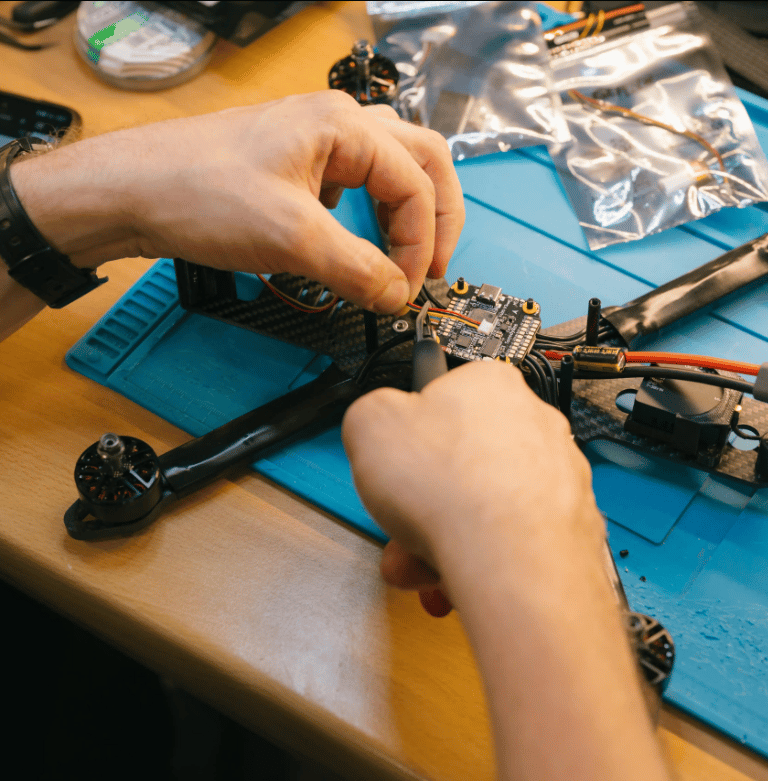
Major Investment Boosts FPV Drone Technology
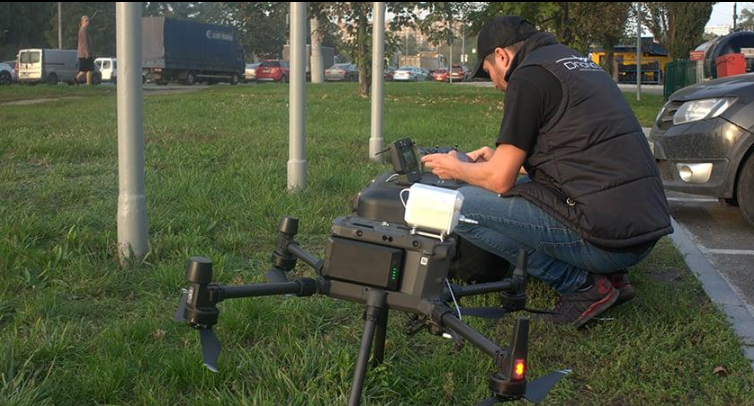
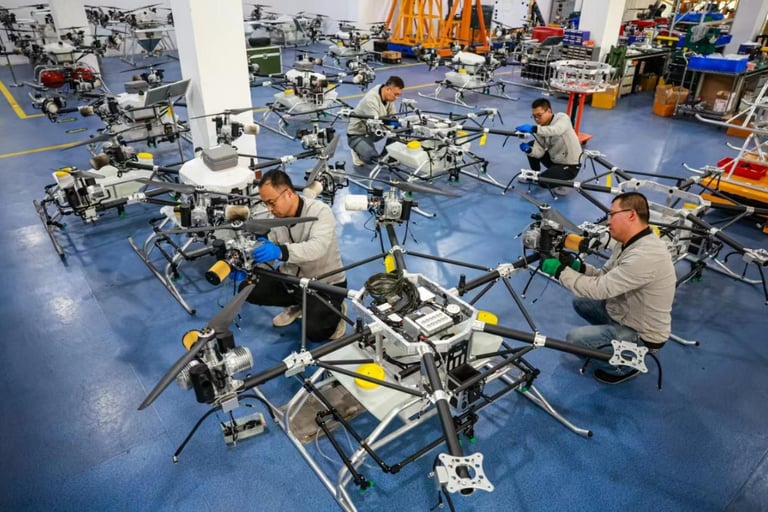
A new investment has been announced to support FPV drone production, highlighting the growing role of unmanned technology in modern defense.
Advances in Drone Sensors and Imaging
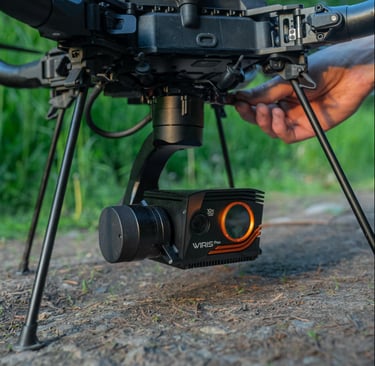
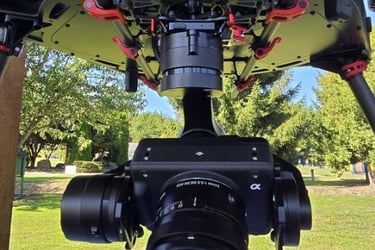
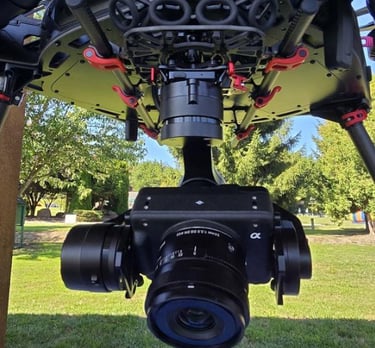
Modern FPV drones are benefiting from rapid improvements in sensor technology. High-resolution optical cameras, thermal imaging systems, multispectral sensors, and laser-based measurement tools allow drones to collect detailed information in real time. These capabilities improve situational awareness and enable operators to gather valuable data with greater accuracy than ever before.
Thermal cameras, for example, can detect heat signatures that are difficult to identify with conventional imaging. This technology supports search and rescue operations, infrastructure inspections, wildlife monitoring, and emergency response activities. At the same time, multispectral sensors help analyze vegetation health, making drones valuable tools for precision agriculture and environmental research.
Sensor fusion is another important development. By combining information from multiple onboard sensors, drones can create a more complete understanding of their surroundings. This improves navigation, obstacle avoidance, and flight stability, particularly when operating in challenging environments where visibility may be limited.
Software Continues to Drive Innovation
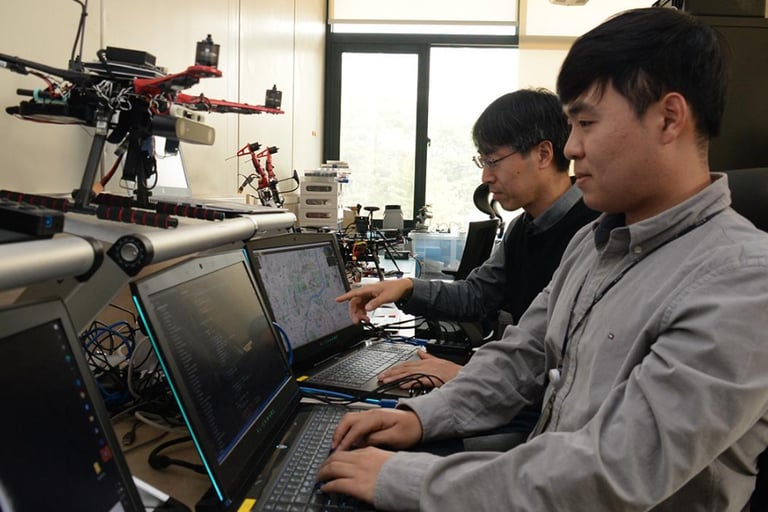
While drone hardware receives significant attention, software development has become equally important in determining overall performance. Flight management software allows operators to plan missions more efficiently, automate routine flight paths, and monitor aircraft performance throughout each operation.
Cloud-based data management platforms also simplify the process of storing, analyzing, and sharing aerial information. Organizations can review flight records, compare survey results over time, and generate detailed reports without relying on complex manual workflows. These digital tools improve productivity while helping decision-makers access reliable information more quickly.
Artificial intelligence is further enhancing software capabilities by supporting automatic image recognition, terrain mapping, and object detection. Instead of manually reviewing thousands of photographs, AI systems can rapidly identify important features and organize collected data for further analysis.
Expanding Commercial Opportunities
Beyond government investment, private industry continues to create new opportunities for drone manufacturers and technology companies. Construction firms use drones to monitor project progress, create accurate site maps, and improve workplace safety. Energy companies inspect transmission lines, wind turbines, and solar farms using aerial systems that reduce inspection time and minimize operational risks.
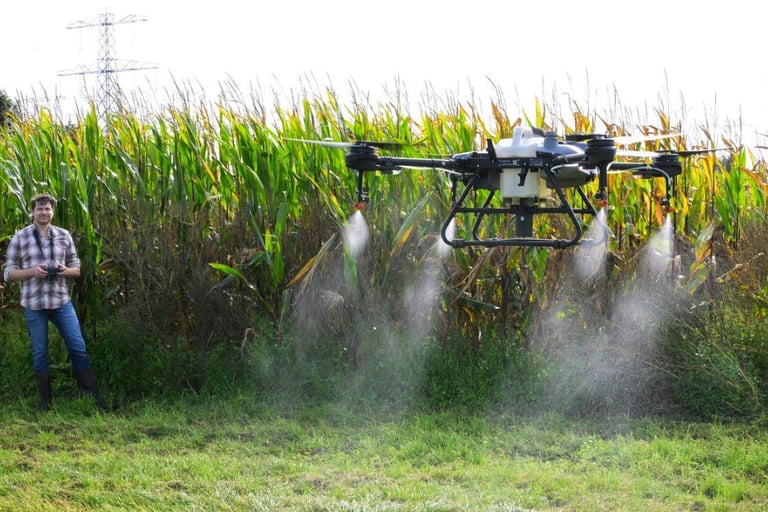
Agricultural businesses have also become major adopters of drone technology. Farmers use aerial surveys to monitor crop growth, detect irrigation problems, and identify areas requiring fertilizer or pest control. Accurate aerial data allows resources to be applied more efficiently, improving productivity while reducing unnecessary costs.
The logistics sector continues to explore drone-based delivery solutions for selected applications. Although widespread implementation still faces regulatory and technical challenges, continued research suggests that autonomous delivery systems may become increasingly practical for transporting medical supplies, emergency equipment, and lightweight commercial goods.
Improving Flight Safety
Safety remains one of the industry's highest priorities. Manufacturers continue developing technologies that improve flight reliability while reducing the likelihood of accidents. Redundant navigation systems, intelligent return-to-home functions, automated landing procedures, and obstacle avoidance sensors all contribute to safer operations.
Geofencing technology also helps prevent drones from entering restricted or sensitive airspace. Built-in software can recognize designated flight restrictions and automatically limit operations in prohibited locations. These safety features support responsible drone use while helping operators comply with aviation regulations.
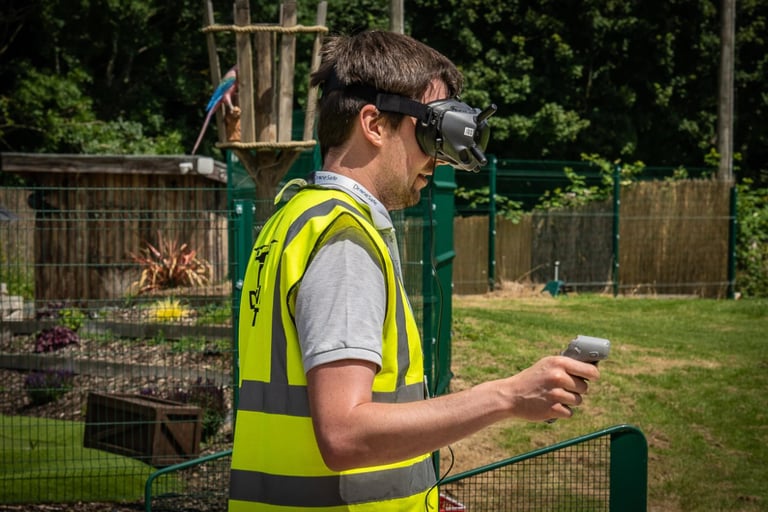
Pilot education remains equally important. Many organizations now provide structured training programs that emphasize aircraft operation, maintenance procedures, mission planning, and risk management. Well-trained operators are better prepared to conduct safe and efficient flights under a variety of operating conditions.
Sustainability and Environmental Considerations
As the drone industry expands, manufacturers are paying greater attention to environmental sustainability. Engineers are working to develop more energy-efficient propulsion systems, recyclable materials, and manufacturing processes that reduce waste. Improvements in battery technology may also contribute to lower environmental impacts by increasing efficiency and extending product life cycles.
Drones themselves can support environmental protection by collecting information that would otherwise require costly or time-consuming ground surveys. Researchers use unmanned aircraft to monitor forests, coastlines, wetlands, glaciers, and wildlife habitats. Accurate aerial observations help scientists better understand environmental changes and support conservation efforts around the world.
Infrastructure inspections performed by drones also reduce the need for heavy equipment and repeated vehicle travel, lowering fuel consumption while improving worker safety. These operational efficiencies demonstrate how unmanned systems can contribute to more sustainable industrial practices.
Investment Trends Across the Industry
Investment in drone technology continues to come from multiple sources, including governments, private companies, venture capital firms, and research institutions. Funding supports the development of improved navigation systems, advanced batteries, secure communication networks, autonomous flight software, and next-generation manufacturing methods.
Universities and technology centers are also contributing to innovation through collaborative research projects. These partnerships encourage knowledge sharing between academic researchers and commercial manufacturers, accelerating the transition of new technologies from laboratories into practical applications.
Growing investment is creating opportunities for startups focused on specialized drone solutions, including software development, sensor integration, cybersecurity, and aerial data analysis. As competition increases, companies are introducing new products that address the evolving requirements of both public and private sector customers.
Long-Term Industry Outlook
Looking ahead, the drone industry is expected to remain one of the fastest-growing segments of the aerospace sector. Continued advances in artificial intelligence, autonomous navigation, communication systems, and lightweight materials are likely to expand the capabilities of unmanned aerial platforms even further.
Future drone ecosystems may involve multiple aircraft working together through coordinated software systems that improve efficiency during mapping, monitoring, and inspection missions. Enhanced connectivity with satellite navigation, cloud computing, and edge processing technologies will likely enable faster decision-making and more reliable operations.
Although technical challenges and regulatory requirements will continue to evolve, ongoing research and international collaboration are expected to drive steady progress. As innovation continues across both hardware and software, drones are becoming increasingly valuable tools that support economic development, scientific research, infrastructure management, emergency response, and numerous other industries worldwide.
The steady pace of technological advancement demonstrates that the future of unmanned aviation extends far beyond current applications. Continued investment in research, engineering, manufacturing, and international partnerships will help shape the next generation of drone systems, ensuring that the industry remains at the forefront of global technological innovation for many years to come.
Social Media
Contact
Newsletter
+86 156 8454 3412
© 2026. All rights reserved.