
AI Boosts Modern Drone Technology
AI-powered drones are becoming smarter and more efficient, improving inspections, mapping, agriculture, and emergency response across multiple industries.
Global Drone Industry Shifts Toward Faster Innovation and Smarter Deployment
July 10, 2026
The global drone industry continues to evolve at an impressive pace as governments, manufacturers, and technology companies place greater emphasis on adaptability, artificial intelligence, and rapid production. Over the past several years, drones have moved beyond their traditional role as tools for photography and entertainment, becoming important technologies for industries including agriculture, construction, energy, transportation, security, and emergency response.
Rather than focusing only on increasing the number of unmanned aircraft, many organizations are now investing in advanced systems that can be upgraded quickly to respond to changing operational requirements. Modern drone development is increasingly centered around flexibility, automation, and intelligent software, allowing platforms to perform more complex tasks while reducing operational costs.
The future of drones is no longer defined only by flight performance or camera quality. Instead, manufacturers are competing through improvements in artificial intelligence, data processing, communication systems, battery technology, and autonomous capabilities. These advancements are creating a new generation of drones that can collect information, analyze environments, and support decision-making with greater accuracy.
Rapid Innovation Changes the Drone Market
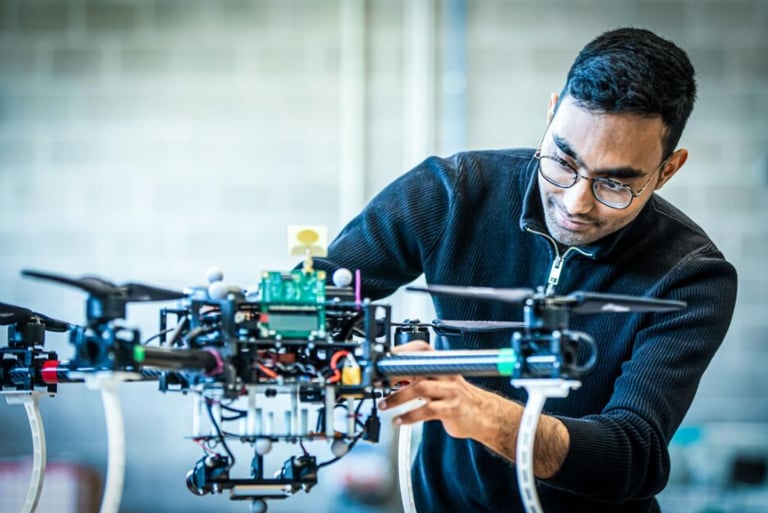
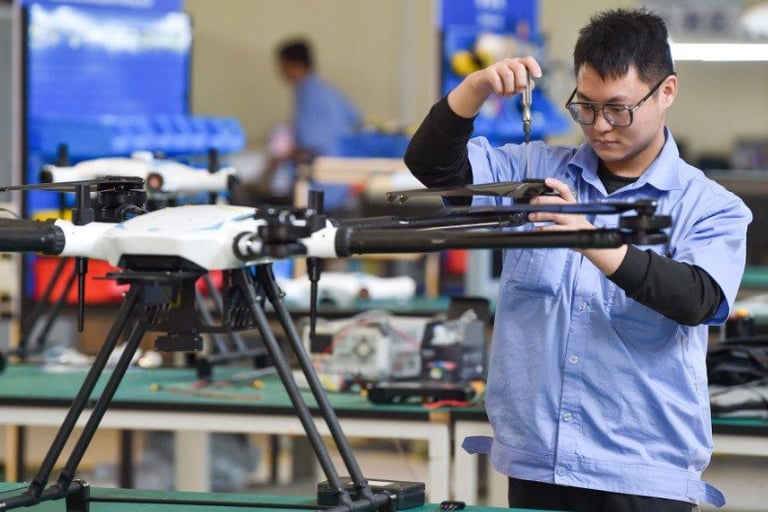
Industry analysts note that drone technology is advancing at such a rapid pace that platforms introduced today may require significant hardware and software improvements within a relatively short period. This fast development cycle is encouraging manufacturers to create modular aircraft designs that allow operators to upgrade components instead of replacing entire systems.
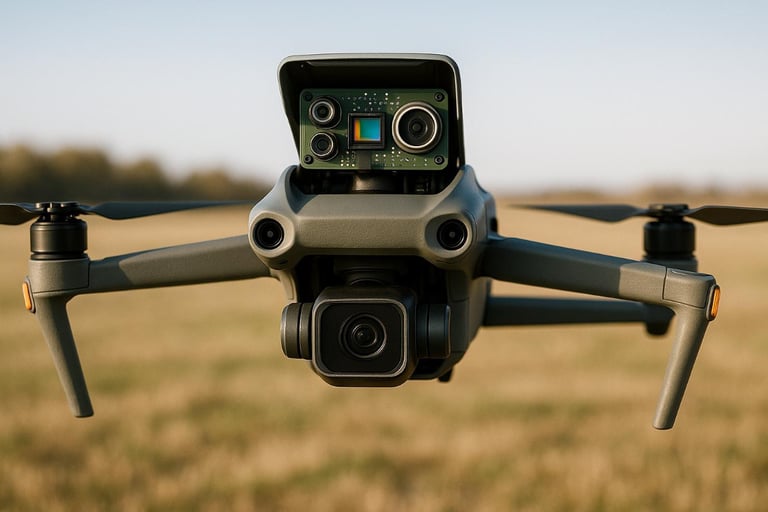
Modular drone platforms provide greater flexibility by supporting interchangeable payloads, improved sensors, upgraded cameras, and enhanced communication equipment. This approach helps businesses protect their investments while allowing their drone fleets to adapt to future technological changes.
For professional users, this evolution creates opportunities to customize drones according to specific industry requirements. A construction company may require high-resolution mapping equipment, while an energy company may need thermal imaging sensors for infrastructure inspections. Modern drone systems are increasingly designed to support these different applications through flexible configurations.
Artificial Intelligence Becomes a Key Technology
Artificial intelligence is becoming one of the most influential technologies shaping the next generation of drones. Modern UAVs are increasingly capable of autonomous navigation, obstacle avoidance, intelligent route planning, automated inspections, and advanced image analysis.
AI-powered systems allow drones to operate more efficiently by helping them understand their surroundings and make real-time adjustments during missions. Features such as automatic flight control, object recognition, and smart tracking reduce the workload for human operators and improve overall mission accuracy.
In commercial applications, AI is transforming how organizations collect and use aerial data. Instead of simply capturing images or videos, advanced drones can analyze information immediately to identify problems, monitor changes, and provide valuable insights.
For example, AI-enabled drones can detect damaged equipment during infrastructure inspections, identify unhealthy areas in agricultural fields, or create detailed digital maps for construction projects. This combination of aerial mobility and intelligent data analysis is becoming one of the strongest drivers of drone industry growth.
Expansion Across Commercial Industries
Commercial demand for drone technology continues to grow as companies discover new ways to improve efficiency and safety. Construction, agriculture, energy, logistics, and environmental management are among the sectors experiencing significant adoption.
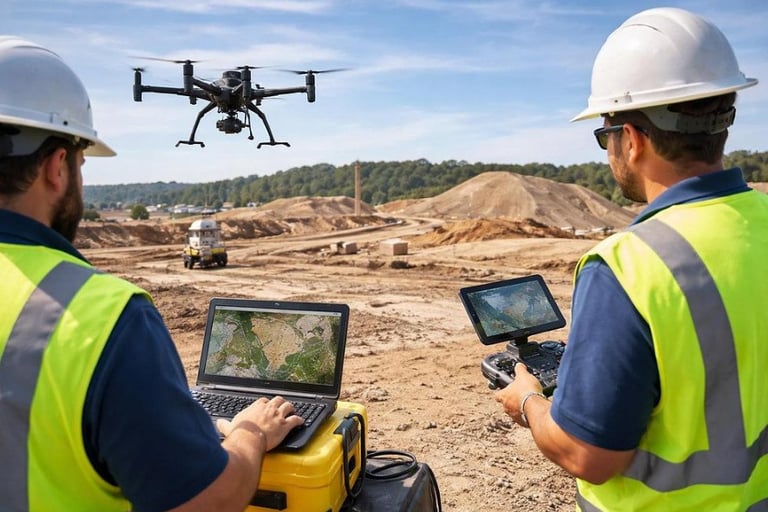
Construction companies are increasingly using drones for surveying, site monitoring, and project documentation. Drone-based mapping allows teams to collect accurate information quickly while reducing the need for manual measurements. Regular aerial monitoring also helps managers track progress and identify potential issues before they become major problems.
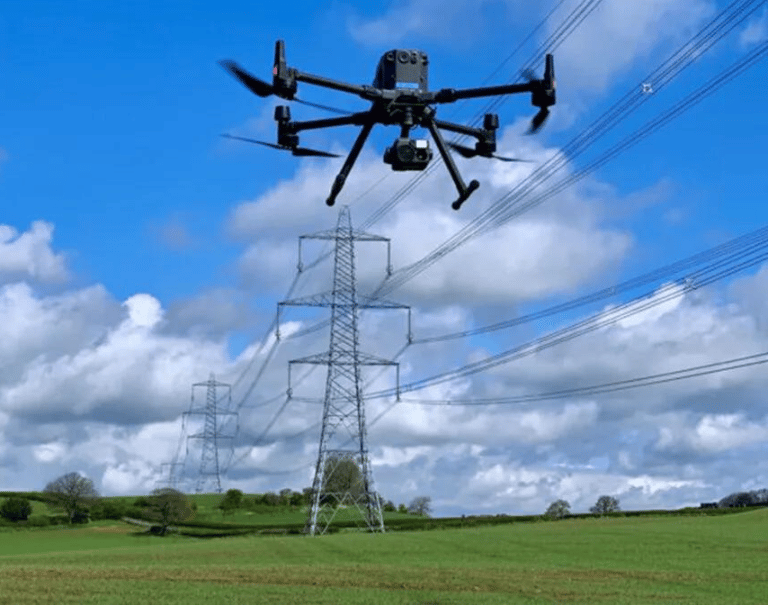
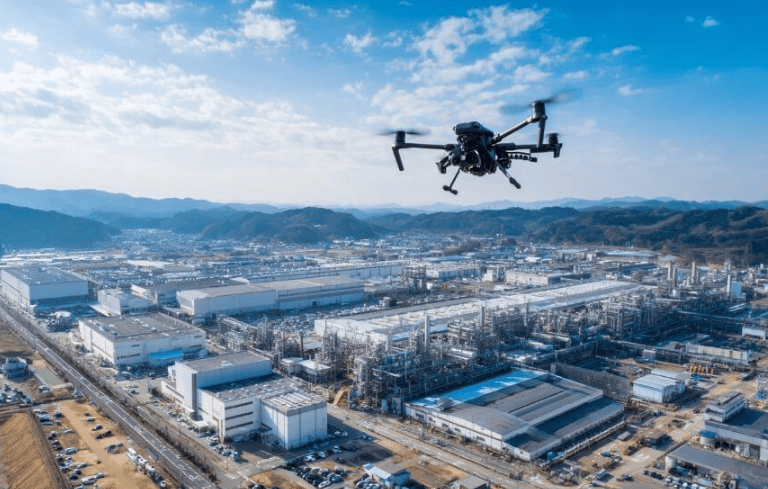
The energy sector is another major area of drone adoption. Utility companies use UAVs to inspect power lines, pipelines, solar farms, and wind turbines. Equipped with advanced cameras and sensors, drones can detect damage and maintenance requirements while reducing risks for workers who previously needed to access difficult or dangerous locations.
Agriculture has also become one of the largest commercial markets for drones. Farmers are using UAVs for crop monitoring, precision spraying, irrigation analysis, and field mapping. These technologies allow agricultural operators to make better decisions, improve productivity, and reduce waste through more targeted resource management.
Improving Safety Through Regulation and Technology
As drone usage expands worldwide, safety and regulation remain important priorities. Aviation authorities continue developing new guidelines to support commercial drone operations while ensuring safe integration with traditional aviation.
Regulatory systems are increasingly focused on areas such as pilot certification, remote identification, flight restrictions, and airspace management. These measures are designed to create clear operating standards while encouraging responsible innovation.
Beyond regulations, technology itself is helping improve drone safety. Advanced obstacle detection systems, automated return-to-home functions, improved navigation software, and stronger communication networks are making drones more reliable and easier to operate.
The development of beyond-visual-line-of-sight (BVLOS) operations is expected to become especially important in the future. BVLOS technology allows drones to operate beyond the direct view of the pilot, creating new opportunities for large-scale inspections, delivery services, and industrial applications.
The Growth of Drone Manufacturing and Supply Chains
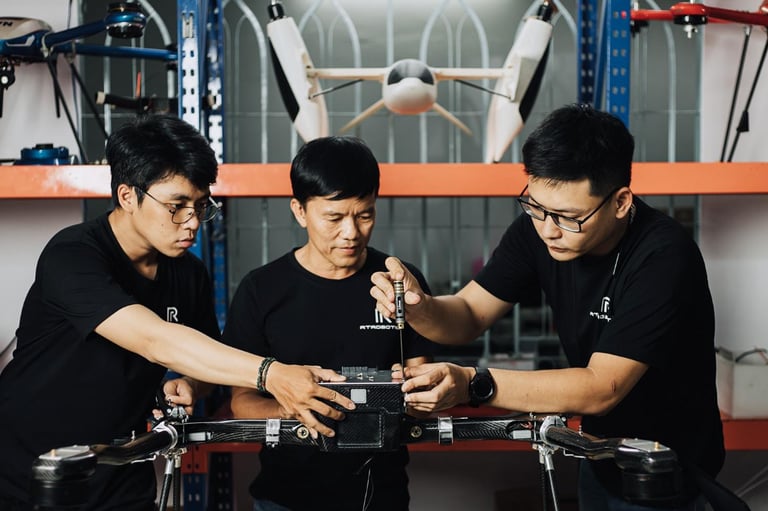
Another noticeable trend in the drone industry is the increasing importance of domestic manufacturing and stronger supply chains. Many countries are investing in local drone production to encourage innovation, reduce supply risks, and develop competitive technology industries.
Investment is expanding beyond aircraft production into supporting sectors such as batteries, flight controllers, sensors, communication systems, and specialized software. These components play a critical role in improving drone performance and creating more advanced solutions.
Battery technology remains one of the biggest challenges and opportunities for drone development. Longer flight times allow drones to complete larger missions and improve operational efficiency. Companies are exploring improved battery designs, energy management systems, and alternative power solutions to extend flight endurance.
Future Opportunities for Autonomous Drone Systems
Looking ahead, experts expect continued investment in autonomous flight technologies, intelligent fleet management, advanced sensors, and connected drone networks. Future drone operations may involve multiple aircraft working together under centralized control systems to complete complex missions more efficiently.
Software will likely become just as important as hardware in determining the success of future drone platforms. Companies that can combine reliable aircraft with powerful analytics, cloud connectivity, and artificial intelligence will have significant advantages in the growing market.
The integration of drones with other emerging technologies, including robotics, satellite communication, and smart infrastructure systems, may create entirely new business opportunities. As these technologies continue to develop, drones are expected to become an essential part of modern industrial operations.
Conclusion
The drone sector remains one of the fastest-moving technology industries in 2026. The combination of artificial intelligence, automation, advanced sensors, and improved connectivity is transforming drones from simple flying devices into intelligent platforms capable of supporting complex missions.
Companies that can rapidly innovate, adapt to changing regulations, and deliver reliable solutions across commercial and industrial applications are expected to play an important role in shaping the future of unmanned aviation.
As drone adoption continues worldwide, the industry is entering a new era where smarter systems, faster innovation, and responsible deployment will define the next generation of aerial technology.
Social Media
Contact
Newsletter
+856 20 97 510 070
© 2026. All rights reserved.