
Drone Industry Expands with New AI Technology
The drone industry continues to grow as AI-powered features, better batteries, and improved safety systems make drones more efficient for commercial and public service applications.
Global Drone Industry Sees Strong Growth in Innovation and Airspace Security
Published: July 2026
The global drone industry is entering a new stage of development as technology companies, governments, and commercial operators continue investing in advanced unmanned aerial systems. Once mainly associated with photography and hobby flying, drones have now become powerful tools supporting industries such as agriculture, construction, logistics, energy, public safety, and environmental protection.
With improvements in artificial intelligence, flight automation, battery technology, and communication systems, modern drones are becoming more intelligent, efficient, and reliable. Businesses are increasingly adopting drone solutions to collect data, reduce operational costs, improve safety, and complete tasks that were previously difficult, expensive, or dangerous for human workers.
Drone Applications Continue Expanding Across Industries
One of the strongest growth areas for drones is commercial operations. Companies are discovering new ways to use unmanned aircraft beyond traditional aerial photography.
In the construction sector, drones are helping companies monitor project progress, create 3D maps, inspect structures, and survey large areas in less time. High-resolution cameras and advanced sensors allow engineers to collect accurate information without requiring workers to enter potentially hazardous locations.
The agriculture industry is also benefiting from drone technology. Farmers are using drones for crop monitoring, field analysis, irrigation planning, and precision spraying. By collecting aerial data, farmers can identify plant health problems earlier and make better decisions about resources, helping improve productivity while reducing waste.
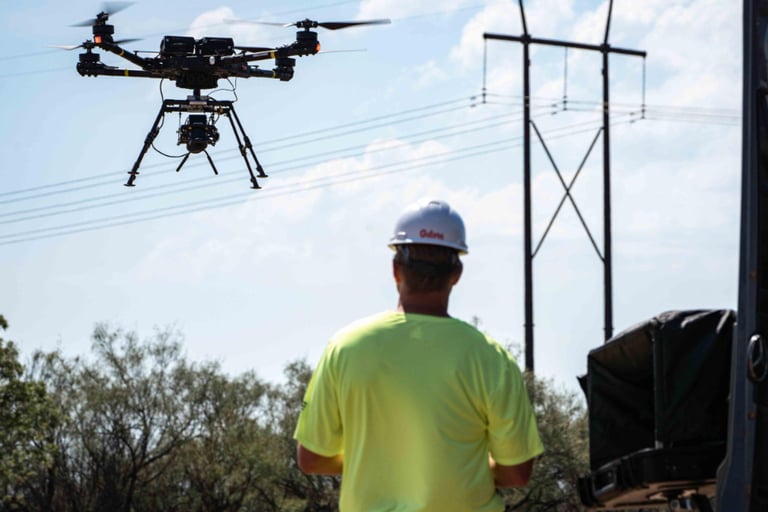
The renewable energy sector is another important market for drones. Solar farms, wind turbines, and power infrastructure often require regular inspections. Drones equipped with specialized cameras can quickly detect damage, overheating, or maintenance issues while reducing the risks involved in manual inspections.
Artificial Intelligence Is Transforming Drone Capabilities
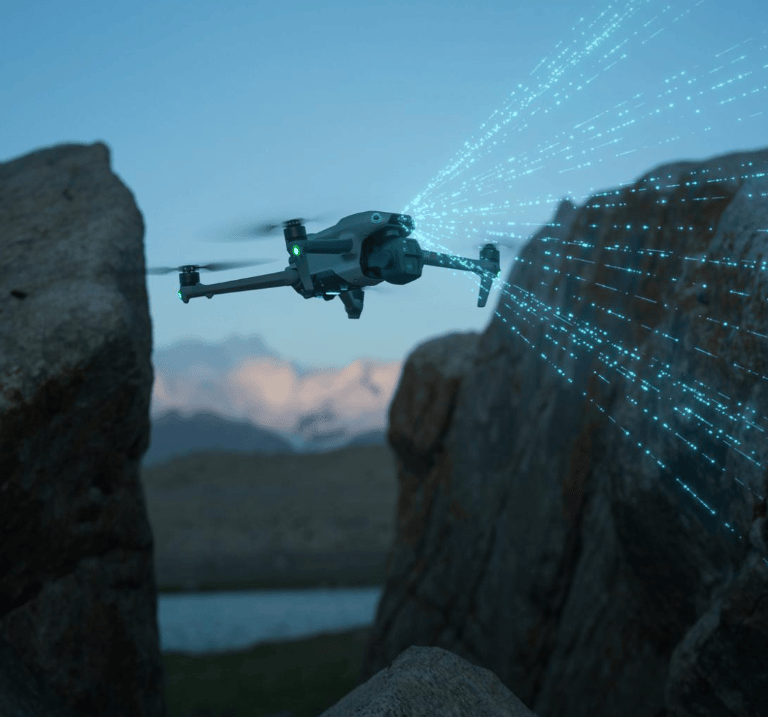
Artificial intelligence has become one of the most important technologies shaping the future of drones. New AI-powered systems allow drones to process information faster, recognize objects, avoid obstacles, and operate with greater independence.
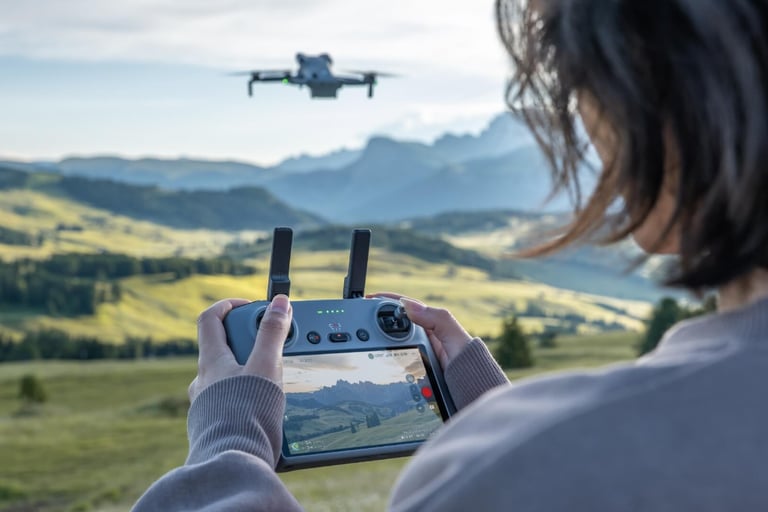
Traditional drones usually require constant input from a human pilot. However, modern autonomous systems can assist operators by automatically adjusting flight paths, maintaining stable positioning, and responding to changing environments.
AI technology is also improving data analysis. Instead of simply capturing images and videos, advanced drones can analyze collected information to identify problems and provide useful insights. For example, inspection drones can detect cracks in infrastructure, while agricultural drones can identify areas requiring additional attention.
As AI continues to improve, future drones are expected to become more capable of performing complex missions with less human control while maintaining strict safety standards.
Drone Safety and Airspace Management Become Key Priorities
As drone usage increases worldwide, governments and aviation organizations are placing greater attention on airspace safety. The growing number of unmanned aircraft operating near cities, airports, and public areas has created the need for stronger regulations and improved management systems.
Many countries are developing updated drone regulations that focus on pilot certification, flight restrictions, remote identification, and operational requirements. These rules aim to create a safer environment where commercial drones can operate alongside traditional aircraft.
Drone operator training is also becoming increasingly important. Professional pilots need to understand flight regulations, weather conditions, equipment operation, and emergency procedures. As drone missions become more advanced, skilled operators will continue to play an essential role in ensuring safe operations.
The Growth of Professional Drone Services
The expansion of the drone industry is creating new business opportunities for manufacturers, service providers, and technology companies. Many organizations are now offering specialized drone services instead of purchasing and operating their own equipment.
Professional drone service providers support industries through aerial inspections, mapping, surveying, security monitoring, and emergency response. This business model allows companies to access advanced technology without requiring large investments in equipment and training.
The demand for skilled drone professionals is also increasing. Careers related to drone operations, maintenance, software development, data analysis, and drone engineering are expected to grow as more industries adopt unmanned technology.
Advances in Battery Technology and Flight Performance
Battery performance remains one of the most important factors affecting drone development. Longer flight times allow drones to complete larger missions and reduce interruptions caused by frequent charging.
Manufacturers are continuing to research improved battery solutions, lightweight materials, and more efficient power systems. These improvements are expected to increase flight endurance and expand the range of possible drone applications.
In addition to batteries, improvements in motors, sensors, and communication systems are helping drones achieve better performance. Modern aircraft can fly more accurately, operate in challenging conditions, and provide higher-quality data.
Drones in Emergency Response and Public Safety
Drones are becoming valuable tools for emergency services around the world. During natural disasters, accidents, or search-and-rescue operations, drones can provide rapid aerial information while keeping rescue teams safer.
Emergency organizations use drones to search large areas, assess damage, deliver supplies, and monitor dangerous locations. Thermal cameras and advanced sensors allow drones to locate people and identify hazards even in difficult conditions.
The ability to deploy drones quickly makes them an important addition to modern emergency response strategies.
The Future of the Global Drone Market
The future of the drone industry is expected to be shaped by continued innovation, stronger regulations, and wider adoption across different sectors. Technologies such as artificial intelligence, autonomous navigation, advanced sensors, and improved connectivity will continue pushing drones toward more intelligent and efficient operations.
Commercial drone delivery, automated inspections, smart agriculture, and urban air mobility are among the areas receiving increasing attention from technology developers and investors. While challenges remain, including privacy concerns, safety requirements, and regulatory limitations, the long-term potential of drone technology remains significant.
For drone manufacturers, retailers, and service providers, the current market represents a major opportunity. Companies that focus on reliability, safety, innovation, and customer needs will be better positioned to succeed as the drone industry continues expanding.
Conclusion
Drones are no longer just recreational devices; they have become essential tools supporting modern industries and solving real-world challenges. As technology continues to advance, drones will play an increasingly important role in business operations, public services, and everyday life.
With continued investment in artificial intelligence, autonomous systems, and safety improvements, the global drone industry is expected to experience strong growth throughout 2026 and beyond.
Social Media
Contact
Newsletter
+856 20 97 510 070
© 2026. All rights reserved.