
The Best Digital FPV Systems in 2026: A Comprehensive Buying Guide
Looking for the best digital FPV system in 2026? This comprehensive buying guide compares the latest digital FPV technologies, including DJI O4, Walksnail, and HDZero.
7/22/20268 min read
Introduction to Digital FPV Systems
Digital First-Person View (FPV) systems have revolutionized the way enthusiasts experience the world of drone flying and model aircraft. Unlike traditional analog systems, digital FPV systems deliver superior video quality, significantly enhancing the user experience by providing clearer, more vibrant images. The transition from analog to digital allows pilots to receive high-definition video feeds, which improves situational awareness and aids in more precise maneuvering.
One of the key advantages of digital FPV systems is the reduction in latency. In drone flying, every millisecond counts; thus, having a system that minimizes delays between the transmission of video data and its reception is essential for optimal performance. Digital systems typically offer lower latency than their analog counterparts, allowing for quicker response times and enhancing the overall flying experience. This is particularly important in competitive flying and racing scenarios where precision is paramount.
Moreover, digital FPV systems provide extended range capabilities. As they utilize advanced transmission protocols, they can maintain high-quality video feeds over greater distances compared to analog systems. This feature enables pilots to explore more extensive areas and engage in flight missions that would otherwise be limited by the restricted range of analog systems. Furthermore, compatibility with various components, such as cameras, receivers, and goggles, makes digital FPV systems versatile, allowing users to tailor setups according to their preferences and requirements.
Finally, the growing popularity of digital FPV systems has led to increased innovation in the field, with manufacturers continually improving their offerings. As we delve deeper into the specific products available in 2026, it is essential to understand these foundational aspects. The subsequent sections will cover an array of digital FPV systems, catering to the diverse needs of pilots and enthusiasts alike.
Key Features to Consider When Choosing a Digital FPV System
When selecting a digital FPV system, several key features warrant careful evaluation to ensure you meet your specific flying needs. One of the most critical factors is video quality. Look for systems that provide HD resolution and high frame rates, ideally supporting 720p or 1080p quality. The clarity of the transmitted video directly affects the pilot's ability to navigate effectively and enjoy the flying experience.
Equally important is latency. Low latency is crucial for racing enthusiasts; delays between the pilot's actions and the video feed can significantly impact performance and responsiveness. Aim for a system that boasts latency rates around 20 milliseconds or less, as this translates into a more seamless flying experience and an improved ability to execute quick maneuvers.
Another essential aspect to consider is the range of the FPV system. Depending on how and where you intend to fly, ensure that the system can cover sufficient distances. Systems that offer extended range typically provide better reception and stability, allowing pilots to explore larger areas without losing signal. Depending on your specific use case, you might need a system capable of maintaining a connection over several kilometers.
Lastly, compatibility with safety gear like goggles and various drone types is worth reviewing. A system that works well with existing equipment can save additional costs and enhance user experience. Consider whether the system integrates with different brands of goggles or drones to guarantee flexibility and convenience, especially if you plan to upgrade your equipment in the future.
Top Digital FPV Systems of 2026: An Overview
As technology continues to advance, digital FPV (First-Person View) systems have become increasingly popular among drone enthusiasts and professional pilots alike. The year 2026 showcases several leading digital FPV systems that stand out based on performance, usability, and overall value. Among these, the DJI O4, HDZero, and Walksnail Avatar are notable contenders that cater to a range of specific needs.
The DJI O4 is widely recognized for its high-definition video transmission and exceptional reliability. One of its primary strengths is the integration of advanced features such as low latency and robust anti-interference capabilities. This system is ideal for hobbyists looking for an easy-to-use platform that offers excellent image quality and performance during flight. However, it can be pricier than its competitors, which might be a consideration for budget-conscious users.
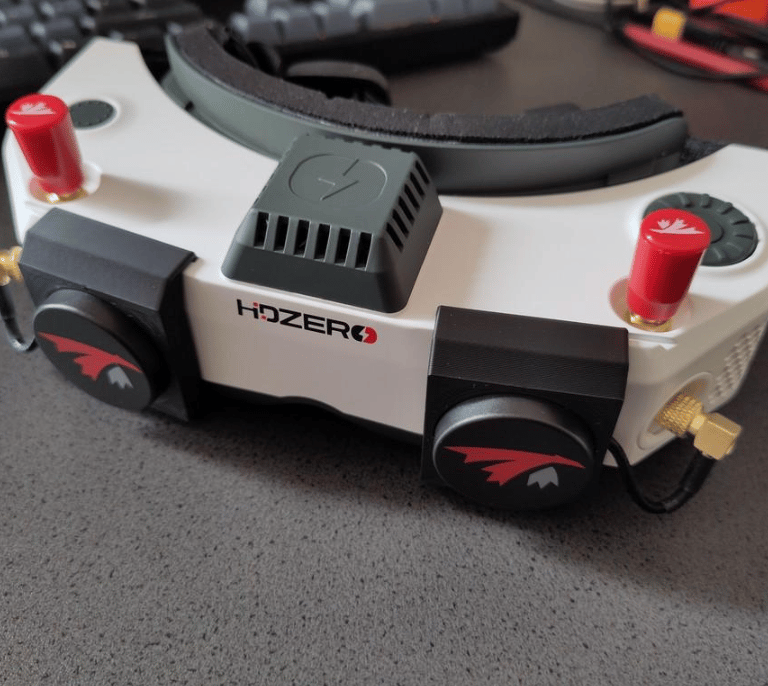
On the other hand, HDZero appeals to users seeking a balance between performance and affordability. Known for its competitive price, HDZero offers solid video transmission quality while remaining lightweight and compact. This makes the system particularly appealing for racing enthusiasts who value agility and response times in the air. Nevertheless, its performance in extremely demanding environments may not match that of the DJI O4, leading to potential downscaling in reliability.
Lastly, the Walksnail Avatar has gained traction among users due to its unique offering of versatile components, allowing for customization to suit various flying styles. This system shines in creative applications and is tailored for filmmakers and those engaging in intricate aerial maneuvers. Despite its strengths, users should note that its setup and calibration process might come with a steeper learning curve compared to more streamlined alternatives like DJI.
In summary, understanding the strengths and weaknesses of these digital FPV systems can significantly influence purchasing decisions, enabling users to select the one that aligns best with their flying needs and preferences in 2026.
DJI O4: Features and Benefits
The DJI O4 stands as a pinnacle of technological innovation within the realm of digital first-person view (FPV) systems, particularly notable for its outstanding image quality and robust features tailored for both amateur and professional drone enthusiasts. Its enhanced capabilities in 4K recording make it an invaluable tool for various applications, including cinematic FPV, aerial photography, and immersive streaming experiences.
One of the most remarkable aspects of the DJI O4 is its ability to deliver high-definition video footage at resolutions up to 4K at 60 frames per second. This allows users to capture incredibly detailed and smooth visuals with minimal latency. Furthermore, the system features advanced HDR capabilities, enhancing dynamic range and ensuring vibrant colors in diverse lighting conditions. This clarity and richness in imagery enable drone operators to produce stunning cinematic content with ease.
In addition to its impressive visual output, the DJI O4 boasts intelligent transmission technology that supports near-zero latency video streaming. This feature is crucial for real-time piloting and maintaining control over the drone during complex maneuvers. Its robust connectivity options ensure a stable and reliable link between the drone and the remote control, further enhancing the user experience. Moreover, the DJI O4 system is equipped with intelligent flight features, including obstacle detection and automated flight modes, which facilitate capturing shots that might otherwise be difficult to achieve.
The ergonomic design of the DJI O4 provides comfort during prolonged use, reflecting DJI's commitment to user-centric design principles. With its array of features and unparalleled ease of use, the DJI O4 remains a top choice for individuals seeking to elevate their FPV experiences.
HDZero: Speed and Low Latency for Racing Pilots
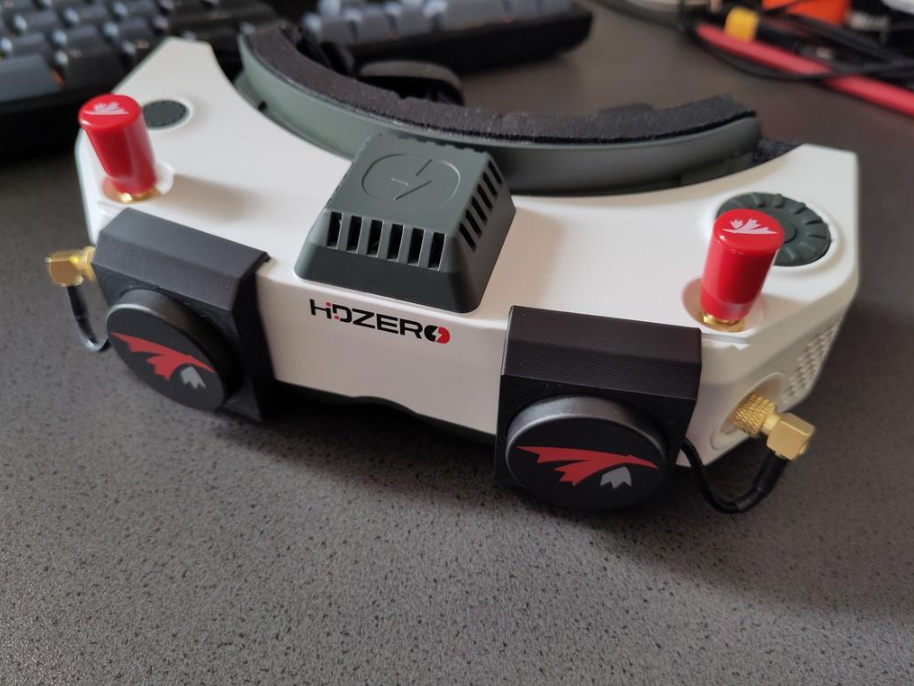
The HDZero system has rapidly gained popularity among competitive racing pilots due to its remarkable focus on low latency and high-speed performance. Designed to meet the demanding needs of drone racers, this digital FPV (First Person View) system offers a unique combination of features tailored for those who seek a competitive edge in the fast-paced world of racing. One of the standout attributes of HDZero is its fast response time, which is crucial for pilots who need to make split-second decisions while navigating challenging race courses.
One of the primary advantages of the HDZero system is its use of advanced encoding technology that minimizes latency, a common challenge in FPV racing. The system boasts a latency of approximately 20ms, making it one of the fastest options available on the market. This low latency is essential for racing pilots, as any delay can hinder performance and affect the overall flying experience. Coupled with HDZero's robust and reliable signal transmission, pilots can fully immerse themselves in the race without the distractions caused by video dropouts or lag.
Another notable feature of HDZero is its superior image quality. By utilizing high-definition formats, this system presents a crystal-clear video feed that enhances situational awareness and enables pilots to spot obstacles and competitors with greater precision. The combination of speed, low latency, and high-resolution imagery sets HDZero apart from other FPV systems, making it an optimal choice for professional racers.
In conclusion, HDZero represents a significant advancement in digital FPV technology, particularly for racing enthusiasts. Its emphasis on speed and low latency, alongside high-definition video quality, addresses the specific needs of competitive flyers, ensuring that every pilot can perform at their best during races.
Walksnail Avatar: Versatility and Compatibility
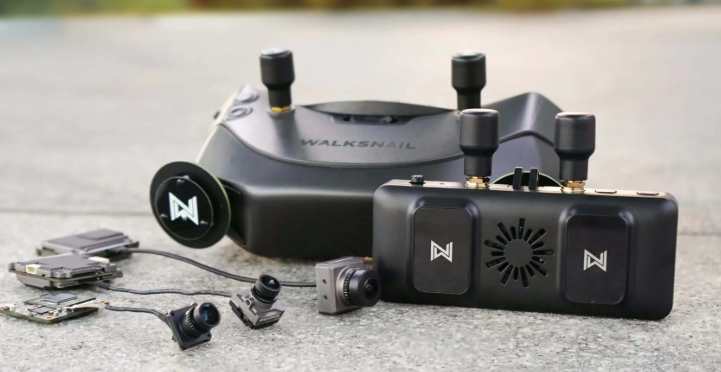
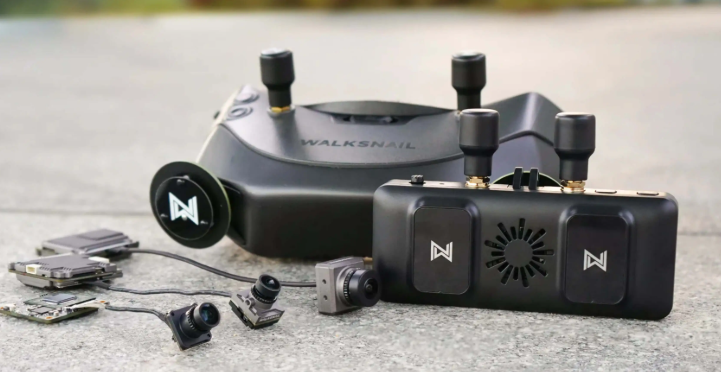
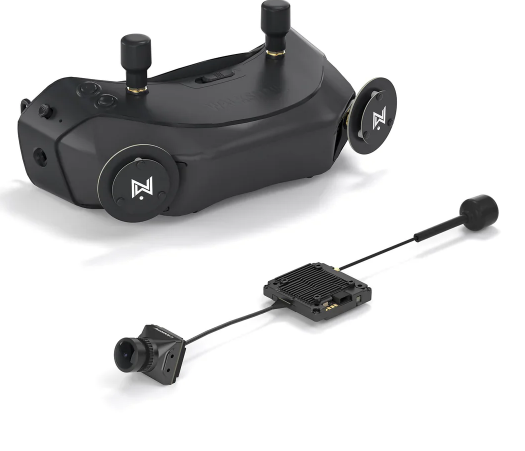
The Walksnail Avatar system stands as a prominent example of versatility and compatibility in the realm of digital FPV systems, catering to a wide spectrum of users, from novices to seasoned pilots. This comprehensive system comprises an array of products designed to enhance the flying experience, including high-definition goggles, advanced cameras, and compact VTX kits. Each component is engineered to seamlessly integrate, offering users a cohesive and efficient setup that elevates their flying capabilities.
The goggles included in the Walksnail Avatar lineup are equipped with state-of-the-art technology, providing exceptional screen resolution and minimal latency. These features contribute to an immersive experience, crucial for pilots who seek precision and responsiveness during their flights. Furthermore, the Walksnail Avatar system is recognized for its compatibility with various drone models, which allows users to select the equipment that best suits their individual needs and preferences.
In terms of affordability, the Walksnail Avatar system delivers multiple pricing tiers, making it accessible for a broad audience. Beginners can opt for entry-level packages that encompass essential components, while advanced users can invest in more sophisticated systems that offer enhanced capabilities, such as superior transmission range and improved video quality. By creating a diverse range of options, Walksnail ensures that users can find a suitable product regardless of their experience level or budget constraints.
This adaptability not only enhances the user experience but also encourages a wider adoption of digital FPV technology. As pilots transition from traditional analog systems to digital setups, the Walksnail Avatar serves as an excellent choice, ensuring they receive high quality and reliable performance. Ultimately, this system exemplifies how versatility and compatibility can significantly enhance the enjoyment and functionality of FPV systems for all types of users.
Conclusion: Choosing the Right Digital FPV System for Your Needs
In the rapidly evolving world of digital first-person view (FPV) systems, selecting the right equipment is crucial for both beginners and seasoned pilots. Throughout this guide, we have discussed various models and specifications that cater to a wide range of flying styles, budgets, and preferences. Each digital FPV system offers unique features designed to enhance the user's experience, whether they are engaging in casual flying or competitive racing.
When considering a digital FPV system, it is essential to align it with your flying style. For instance, racers may prioritize low latency and high image quality for competitive environments, while casual users might focus on user-friendly interfaces and comprehensive range. Budget constraints will also play a significant role in the decision-making process; it is important to find a system that offers the best balance between essential features and affordability. Investing in a high-quality digital FPV system can significantly impact the enjoyment and success of aerial activities.
Furthermore, thinking about future upgrades is a wise approach. As technology continues to advance, having a modular system or one that supports the latest updates can ensure that your digital FPV system remains relevant. For many enthusiasts, being able to customize and enhance their equipment over time is an attractive feature that extends the longevity of their investment.
Ultimately, the best digital FPV system is one that meets your specific requirements. By thoroughly evaluating the options discussed in this guide and considering your unique needs, you will be better equipped to make an informed choice that enhances your flying experience.

Social Media
Contact
Newsletter
+86 156 8454 3412
© 2026. All rights reserved.